

Chronic Pain
TAILORED CARE, FOR LOCALS LIKE YOU
Chronic pain is complex and often persists beyond the initial injury or tissue healing time frame. It can impact movement, sleep, work capacity, and overall quality of life.
At our clinic, chronic pain management begins with a thorough assessment to identify contributing factors such as load tolerance, strength and conditioning levels, movement patterns, recovery capacity, stress, and lifestyle demands. Rather than focusing solely on pain reduction, our approach is centred on restoring function, improving physical capacity, and gradually rebuilding confidence in movement using current evidence and clear clinical reasoning.
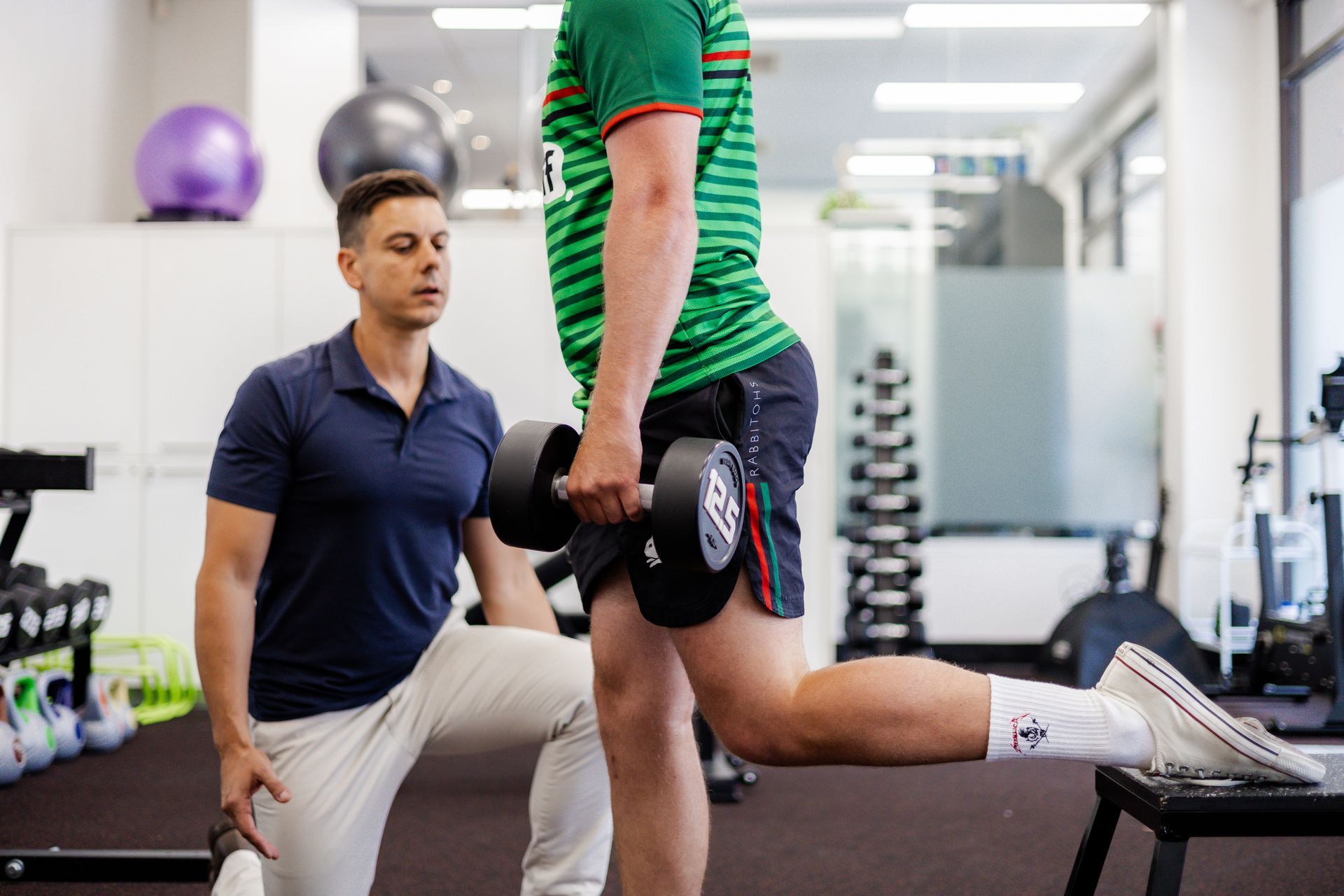
Rehabilitation is delivered through a structured, progressive plan that may include education, graded strength training, movement retraining, and hands-on treatment where appropriate. We prioritise consistency, measurable progression, and long-term self-management strategies to reduce sensitivity, improve resilience, and support a sustainable return to work, exercise, and daily activity.
Is chronic pain different from an acute injury?
Yes. Acute pain is typically linked to recent tissue injury and follows a predictable healing timeline. Chronic pain persists beyond expected tissue healing timeframes and is often influenced by a combination of physical, neurological, psychological, and lifestyle factors.
This means treatment focuses not only on the original injury site, but also on improving load tolerance, movement confidence, nervous system sensitivity, and overall capacity.
Can physiotherapy help even if I’ve had pain for years?
Yes. Persistent pain does not mean damage is ongoing or that improvement isn’t possible. Research shows that structured, graded rehabilitation can significantly improve function and quality of life, even when pain has been present for a long time.
Our approach focuses on measurable progression — gradually increasing strength, mobility, and activity tolerance in a way that is sustainable and aligned with your goals.
Do you use hands-on treatment for chronic pain?
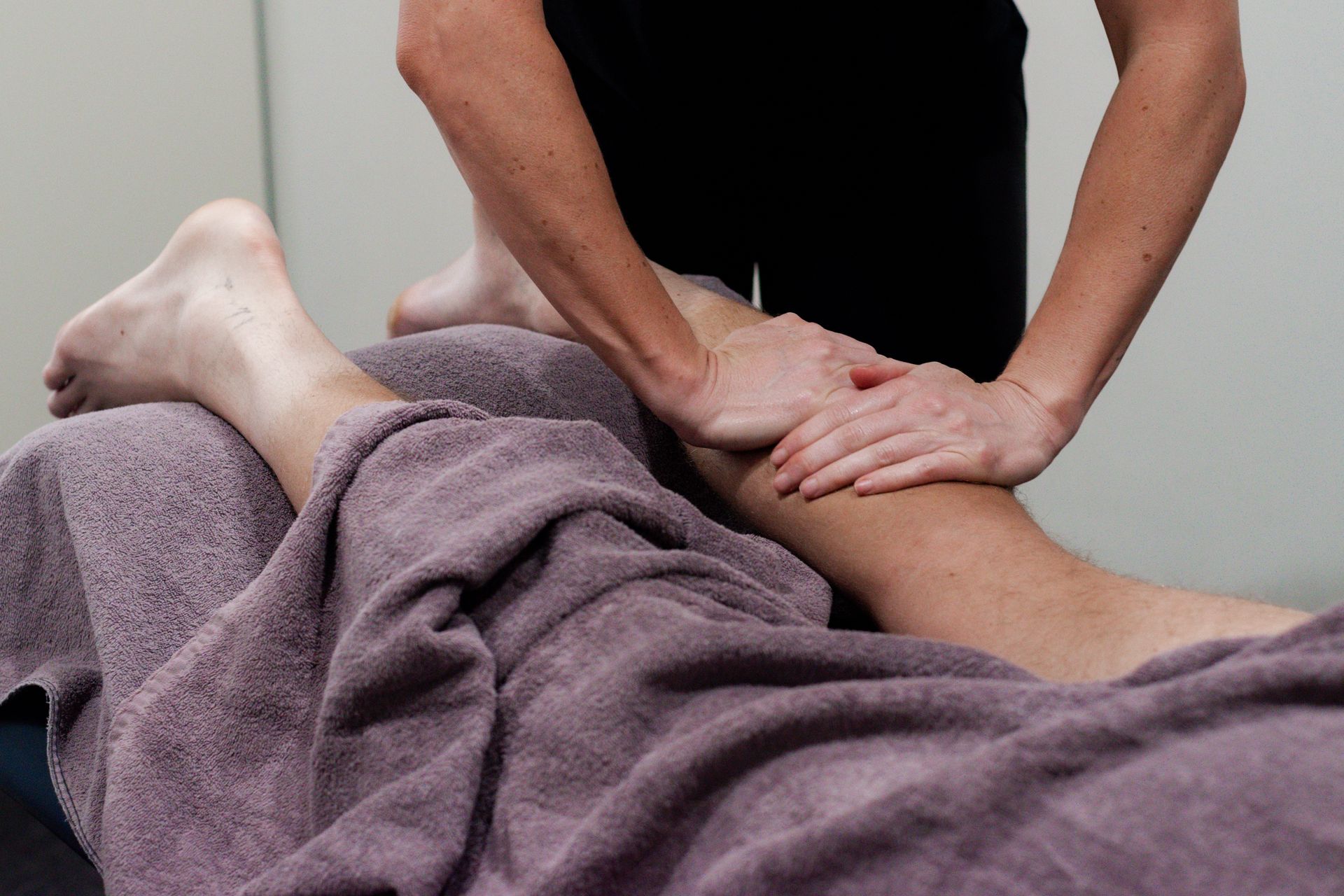
Manual therapy can be used where appropriate, particularly to assist with symptom modulation or movement confidence. However, it is not the sole focus of management.
Long-term improvement in chronic pain is best supported through education, graded exercise, and building physical capacity. Treatment is tailored to the individual, with an emphasis on active strategies that promote independence and long-term self-management.