


Running Related Injuries - Part 1
Running Related Injuries
With the difficulties we have faced over the past 3 months due to COVID-19 restrictions, we have seen a huge percentage of people rediscovering the importance of their health and fitness. Many of us have utilised this extra time we have to eat healthier and get fit. And with many also returning to team sports very soon we are seeing a huge spike in running related overuse injuries.
This is the first part of a series dealing with running related injuries and how to manage them:
ITB friction Syndrome
Iliotibial Band (ITB) friction syndrome is a very common overuse injury resulting in pain and tenderness in the outside of the knee. It is commonly seen in runners, accounting for up to 22% of all lower limb injuries, however it can also be seen in any active population.
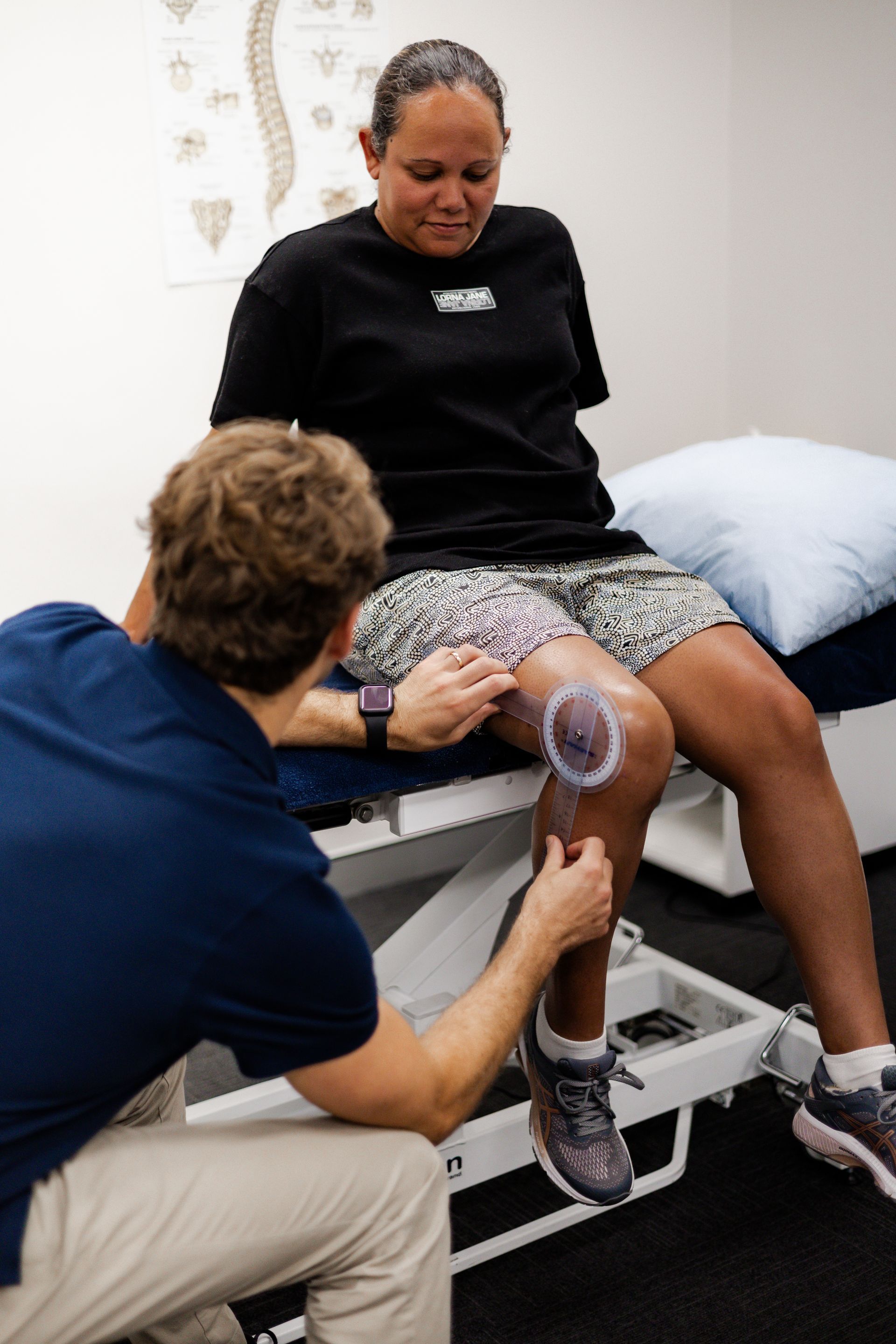
The ITB is a thick band of connective tissue which runs down the outside of your thigh. At the top of your thigh it attaches to your Tensor Fascia Latae muscle and your Gluteus Maximus muscle, and at the knee it attaches to the top of your tibia (shin bone) as well as the end of your femur (thigh bone).
When the knee is bent, the ITB slides across the outside of the knee with the maximal compression occurring between 20-30° of knee bend. ITB friction syndrome occurs when excessive tightness or biomechanical issues cause increased compression at the knee leading to an increase in friction. This increased friction combined with high repetition involved with running causes the tissue to break down and become inflamed.
ITB friction syndrome presents with pain localised to the outside of the knee however can occasionally refer pain up the leg. You will find that the pain gets worse with activity with the majority of cases being pain free at rest or walking unless the syndrome progresses to an extreme level. You will likely experience that downhill running is more aggravating than flat ground as it places more stress on the muscles around the knee. Quite often, the onset of pain can be attributed to recent and sudden change in training load, type of activity (eg. more hill running) or equipment (eg. change of footwear).
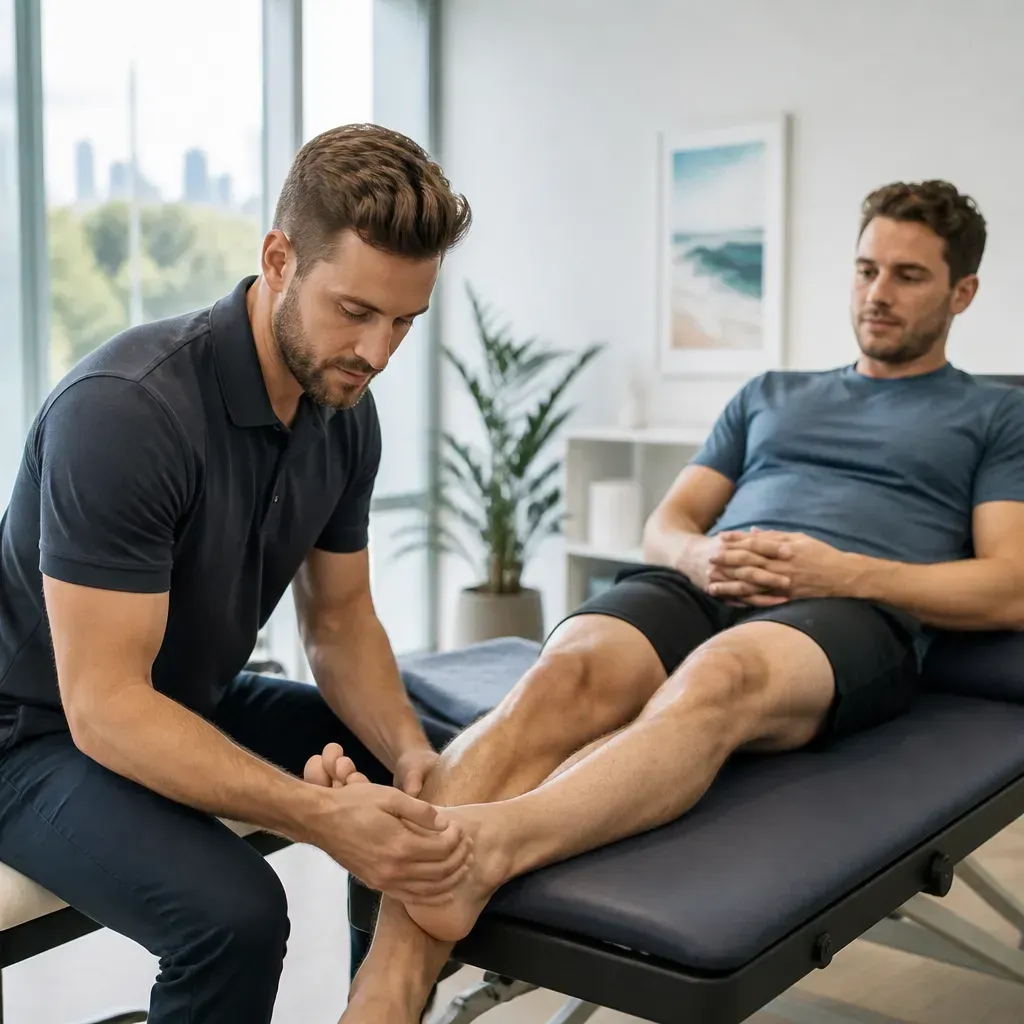
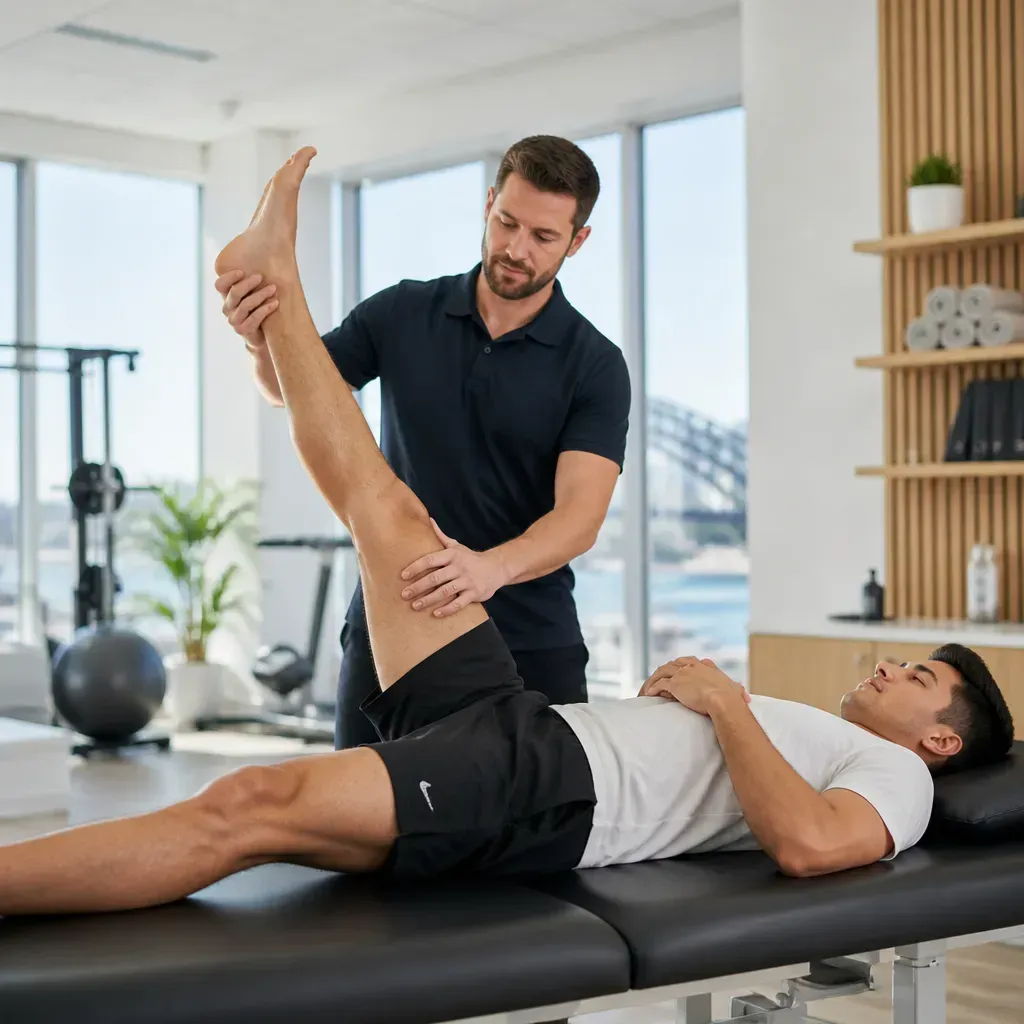
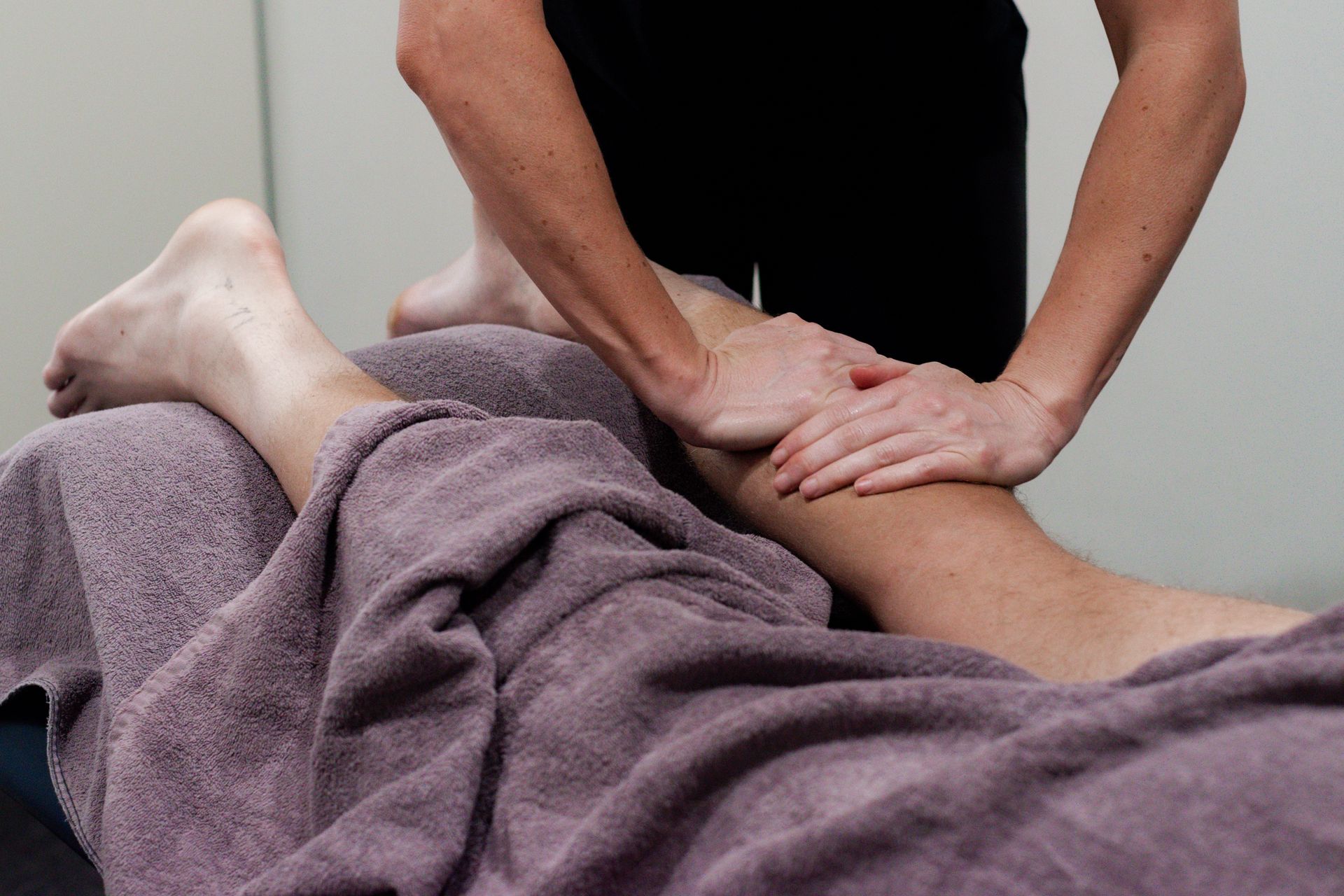
Conservative treatment is very successful in most people suffering from this condition and it is recommended that you see your physio immediately for a detailed assessment and management plan. Management of this condition usually involves relative rest (never complete rest) to allow for tissue healing, massage to release tight muscles , stretching and strengthening of the muscles around the hip and knee, and correction of any contributing biomechanical issues. Relative rest refers to modifications to running load or the type of training which allows you to maintain strength and fitness without aggravating the inflamed tissue.
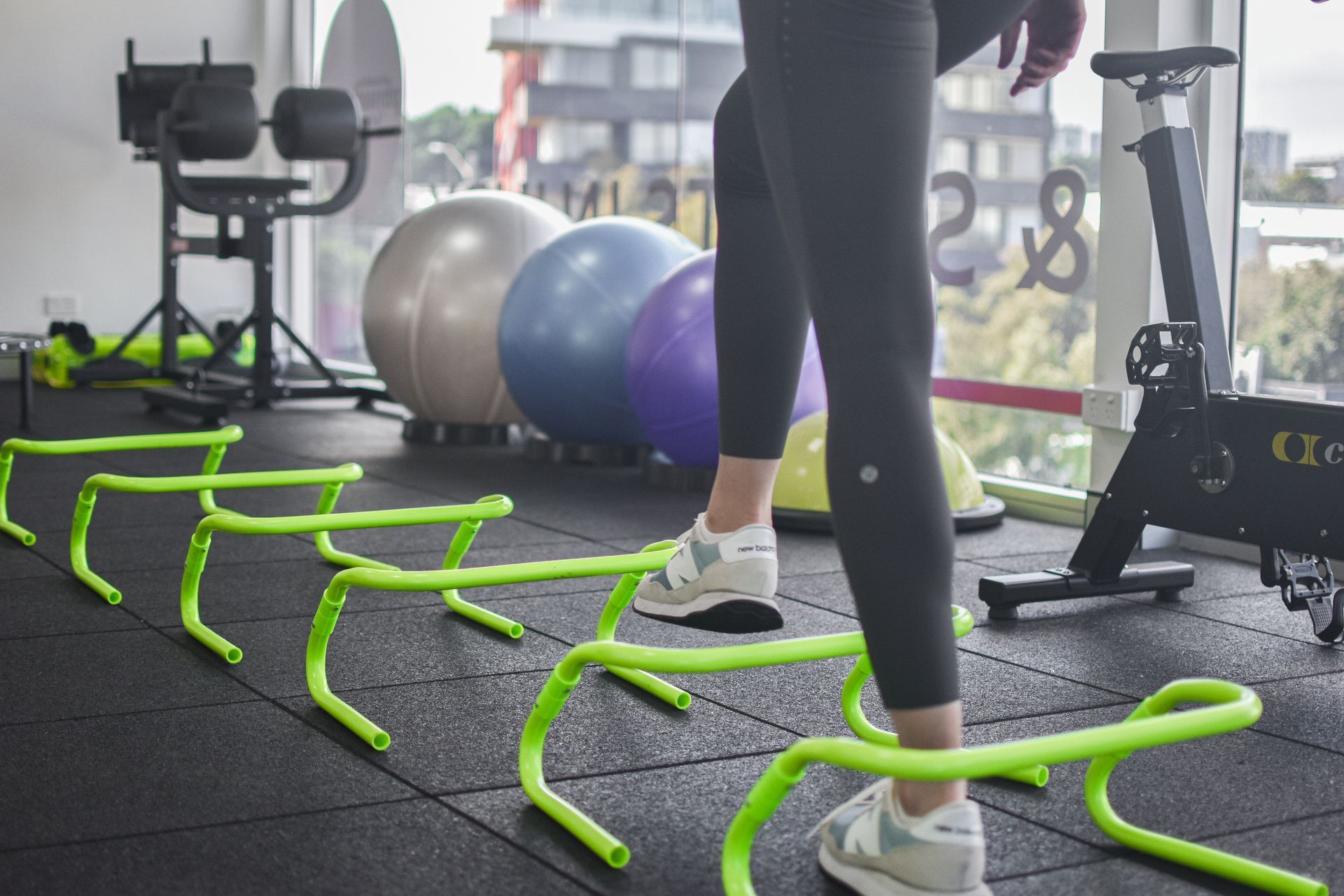
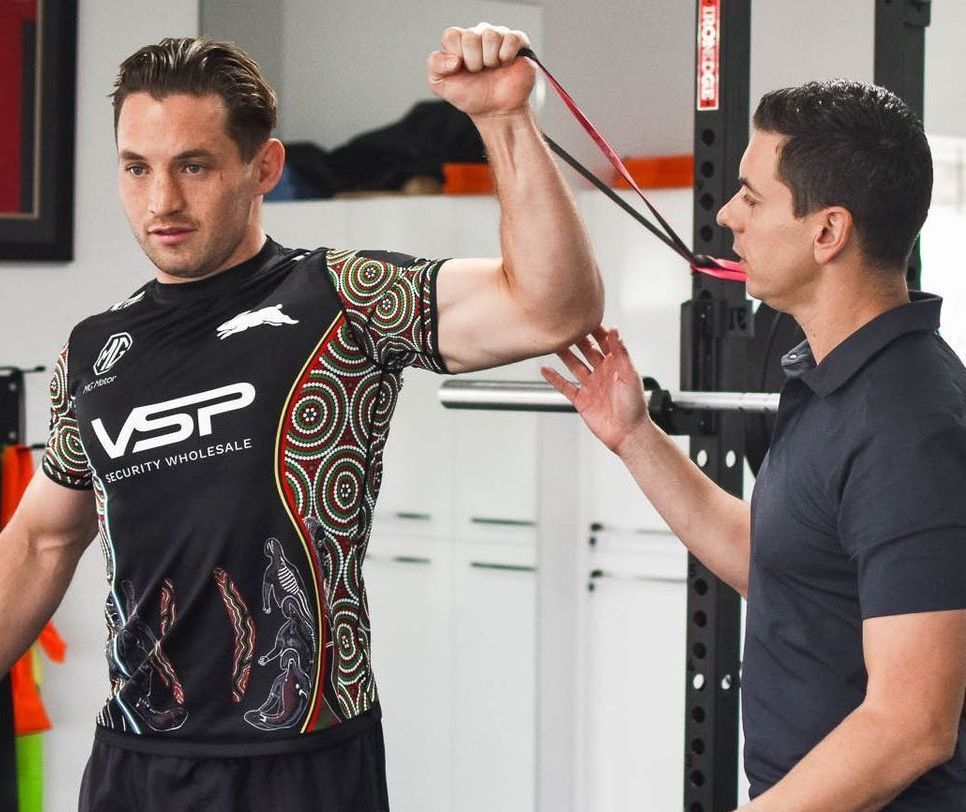
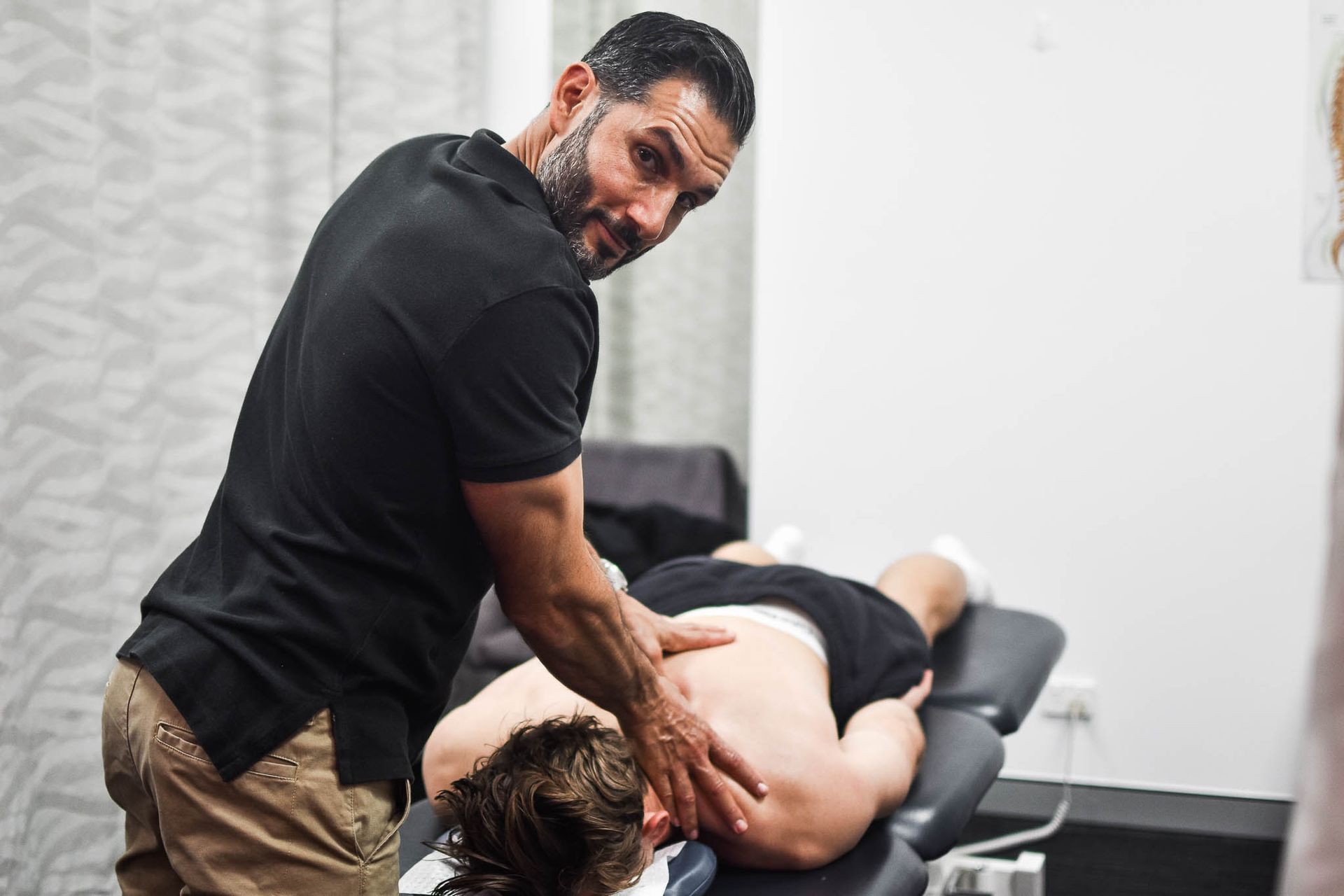
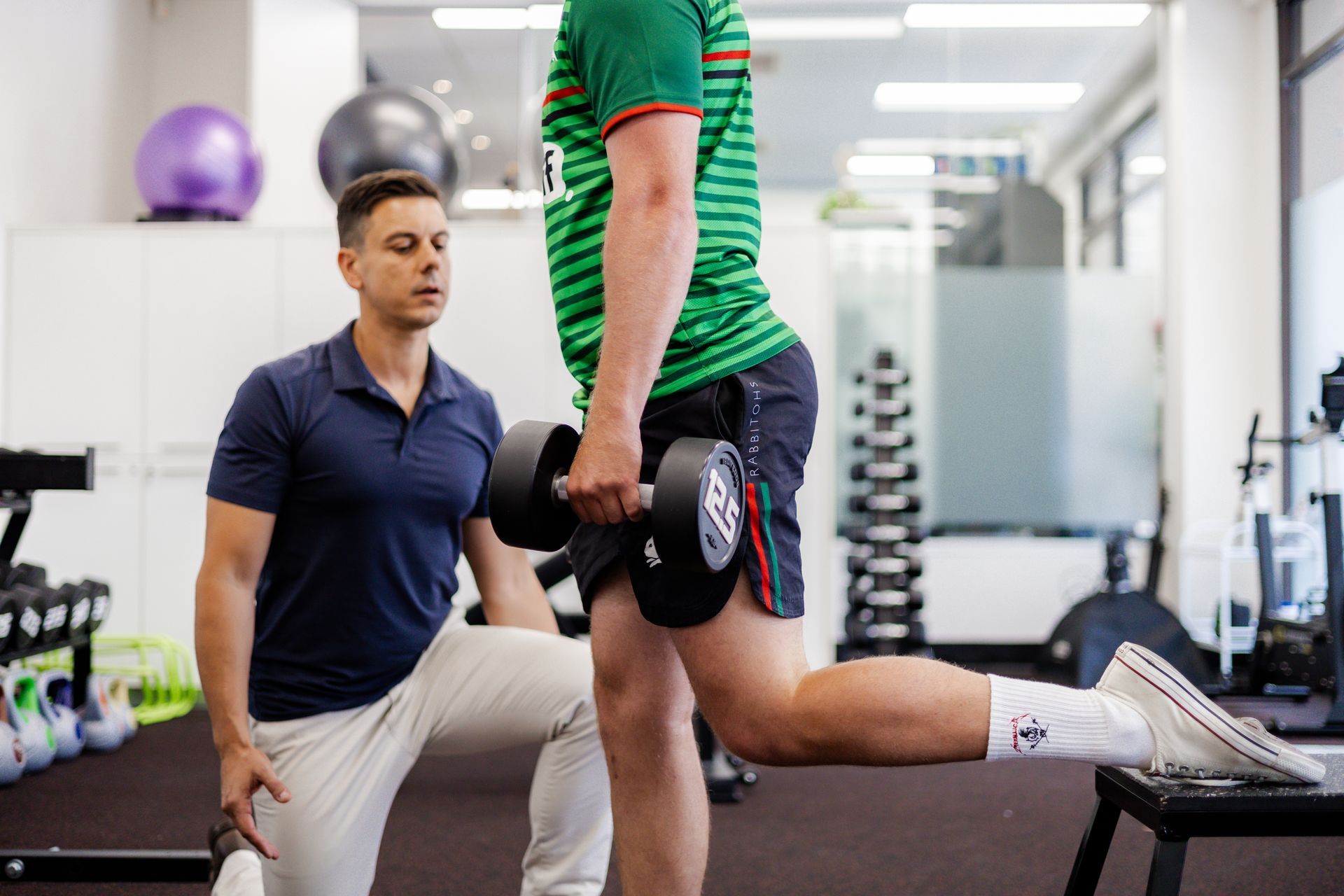
‘Hands-on’ treatment is ideal in the acute phase, when pain and inflammation at the insertion is felt. The use of a foam roller on tight muscles is also highly beneficial and our therapists can demonstrate the most effective technique for this, allowing you to treat yourself at home. Exercises to strengthen muscles that stabilise the hip such as band resisted side walking, glute clamshells, hip hikes and thrusters should form the main part of any rehab program . All sound a bit confusing? Our experienced team of physiotherapists will talk you through all of these exercises and send you home with a detailed and specific program tailored to your individual needs.
Finally, load management is an integral part of managing and rehabilitation with a recommended reduction initially of 30% intensity and volume of training. If this doesn’t result in pain free activity a further 10% reduction should be applied until training doesn’t result in pain. Load should then be progressed gradually (approximately 10% per week) until pre-injury levels are reached. While these are very rough guidelines, and need to be varied for every individual, it highlights the importance of managing training loads in an overuse injury.