




Meal Prep Your Way Through Winter

Redfern Physiotherapy & Sports Medicine • July 27, 2020

Meal Prep


When it comes to healthy eating , there is one strategy that works time and time again –meal prepping. Why? Because making healthy food choices is the hardest when we are busy, tired and stressed. By planning ahead and having plenty of prepped ingredients in your fridge, all it takes is a little last-minute assembling to create healthy and varied meals during the week.


Putting aside just 1-2 hours for meal prep every weekend is usually enough and can save you countless hours in the kitchen during the week. Not only will meal prepping mean one less thing to worry about during the week, it will save you money by limiting ingredient wastage and the temptation to order-in when you come home to an empty fridge.


Winter is an ideal time to meal prep entire meals. Soups, curries and slow cooker meals are all perfect to cook in big batches and store in the fridge or freezer in individual serve containers for reheating during the week.


Meal prepping ingredients over full meals is another great way to meal prep and avoid eating the same reheated meal over-and-over again during the week. This will take a little longer than just popping a meal in the microwave but if you have all the components of the meal ready to go it should only take you 5 or so minutes.


How to ingredient prep


There are so many ways you can meal prep but changing up the ingredients you use weekly is important to ensure nutrient variety. Choosing 1-2 ingredients from each of the categories below is a great start. Remember, the goal is to have enough prepped ingredients to make assembling meals quick and easy.


Protein


  • Baked salmon fillet
  • Poached and shredded chicken breast
  • Marinated tofu
  • Boiled eggs
  • Black bean burgers
  • Turkey or lean beef mince meatballs
  • Cooked legumes (e.g. chickpeas, cannellini, borlotti beans)


Carbohydrates


  • Overnight oats or homemade muesli
  • Roasted sweet potato
  • Cooked brown rice, quinoa or barley
  • Baked polenta
  • Cooked legumes (e.g. chickpeas, cannellini, borlotti beans)


Vegetables


  • Washed and pre-chopped vegetables to use in stir-fries
  • Roasted and pre-cooked vegetables for re-heating
  • Spiralled vegetables for pasta sauces
  • Washed and pre-sliced salad vegetables for sandwiches


Snacks


  • Washed and sliced fruit
  • Mixed nuts and dried fruit
  • Pre-chopped vegetable sticks
  • Hummus or Tzatziki dip
  • Roasted chickpeas
  • Homemade raw nut and date balls


In addition to the ingredients you prep, make sure you have a few staples ready to help flavour your meals – extra-virgin olive oil, avocados, lemons, fresh or dried herbs, nuts and seeds, hummus dip, olives and feta cheese are flavours that work well with virtually any meal.


If you’d like some more meal-prep ideas or help with any of your nutrition needs our dietitians are available for both in-clinic and telehealth appointments.


BOOK NOW
Runner in white shirt and blue shorts doing a crouched start on a track.
By Miranda Rudd Hughes June 16, 2026
Sports physiotherapy is about more than treating injuries. Learn what it involves, how exercise prescription works, and how it helps you recover and perform. Redfern Physiotherapy, Sydney
Close-up of a person jumping against a blue sky, wearing black shorts and white socks.
By Miranda Rudd Hughes June 16, 2026
Jumper's knee won't fix itself with rest. Here's what causes patellar tendinopathy, why progressive loading is the treatment that works, and how to recover. Redfern Physiotherapy, Sydney.
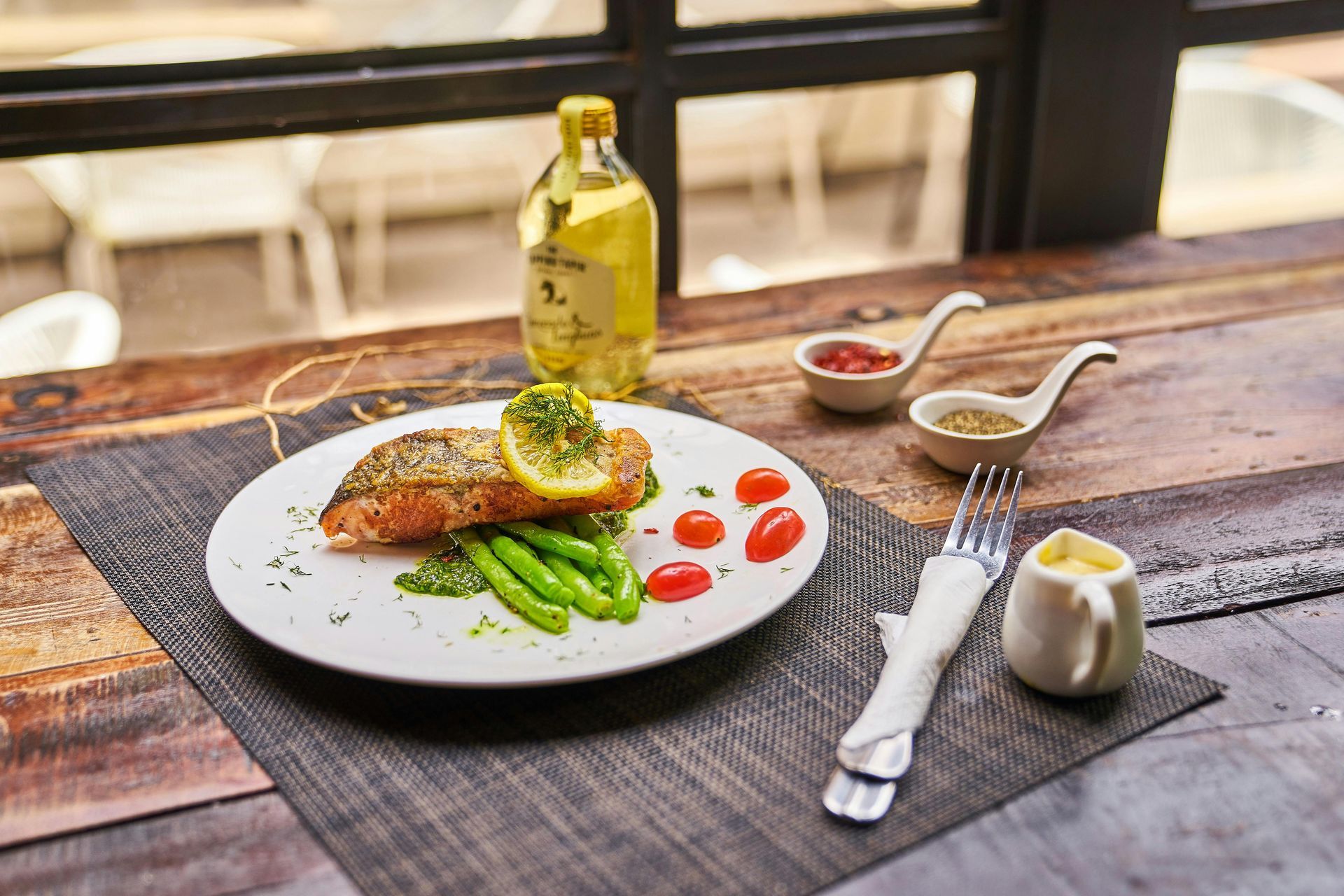
A plated salmon fillet with green beans and cherry tomatoes, served on a table with side sauces and a glass oil bottle.
By Maddy Raymond April 7, 2026
Diet and rehabilitation. When you’re dealing with an injury, it’s easy to focus only on rest and rehab. But what you eat can have a huge impact on how quickly
Physiotherapist examining patient's knee while she lies on a treatment table.
By Redfern Physiotherapy and Sports Medicine September 29, 2025
Bone stress injuries are stress fractures occur when repetitive loading on a bone exceeds its ability to remodel and recover.common among runners, athletes,
Man using resistance band for shoulder exercise, assisted by another man in white room.
By Redfern Physiotherapy and Sports Medicine September 29, 2025
Bone stress injuries, or stress fractures, are common overuse injuries that pose a significant challenge to athletes, military personnel, and active individuals.
Blurred runner on an asphalt road; trees in the background, blue sky overhead.
By Redfern Physiotherapy and Sports Medicine September 17, 2025
Plantar fasciitis (PF) is one of the most common causes of heel pain, particularly in runners, people who are overweight, and those whose jobs require prolonged sta
Man examining a patient's leg as the patient rests it on a balance disc in a physical therapy setting.
By Redfern Physiotherapy and Sports Medicine September 16, 2025
Anterior cruciate ligament (ACL) injuries are among the most common and impactful injuries in sports medicine. Traditionally, ACL ruptures—especially complete one
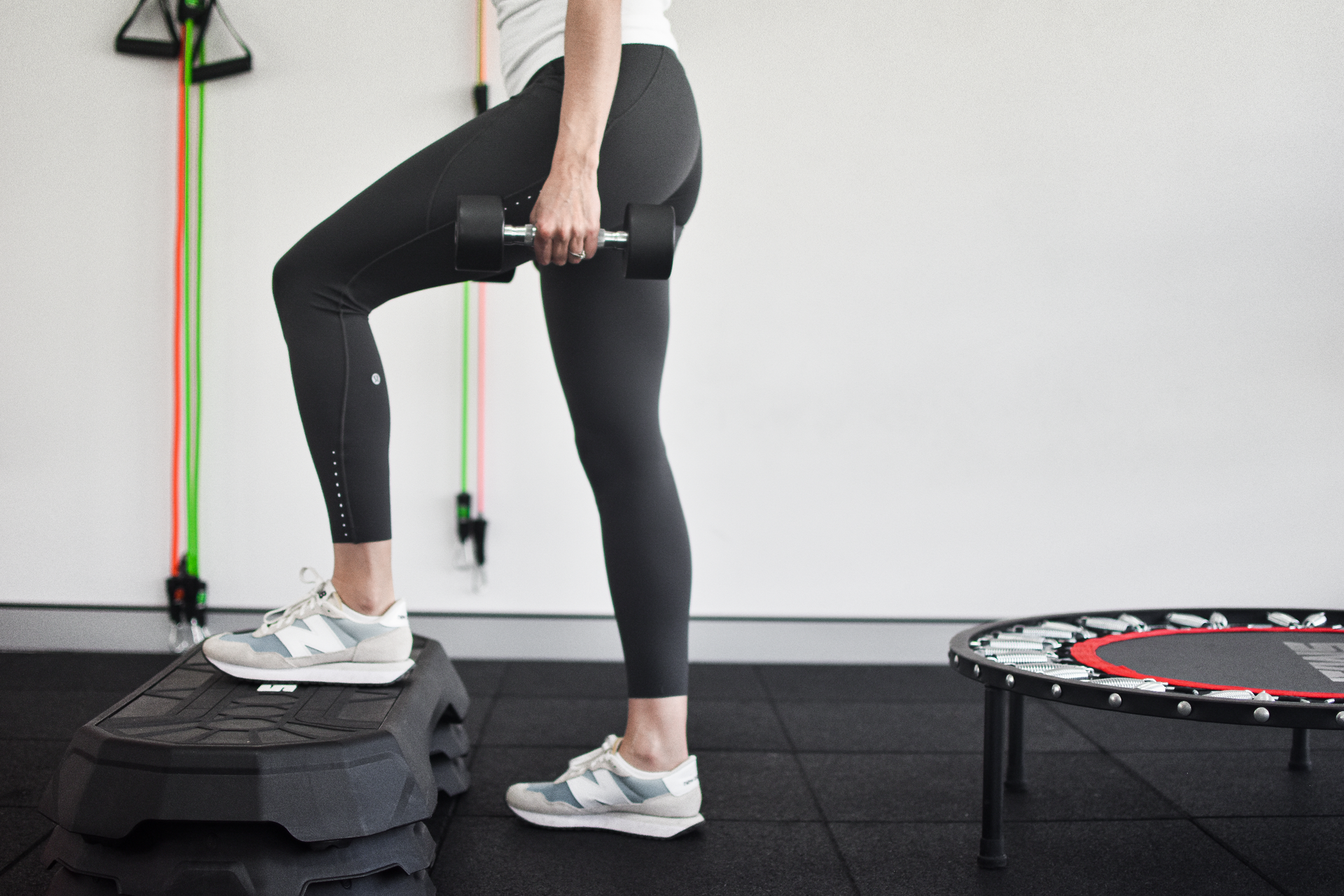
Woman stepping up onto a black step with a dumbbell in hand, near a trampoline.
By Redfern Physiotherapy and Sports Medicine September 16, 2025
Knee osteoarthritis (OA) is a highly prevalent musculoskeletal condition and a leading cause of pain and disability among adults over 50. It involves progr
People stretching in a grassy park setting. The two people are touching their toes.
By Redfern Physiotherapy & Sports Medicine August 3, 2023
Hamstring injuries are a common particularly those involved in sports that require sudden changes of direction, explosive acceleration, high-speed running.
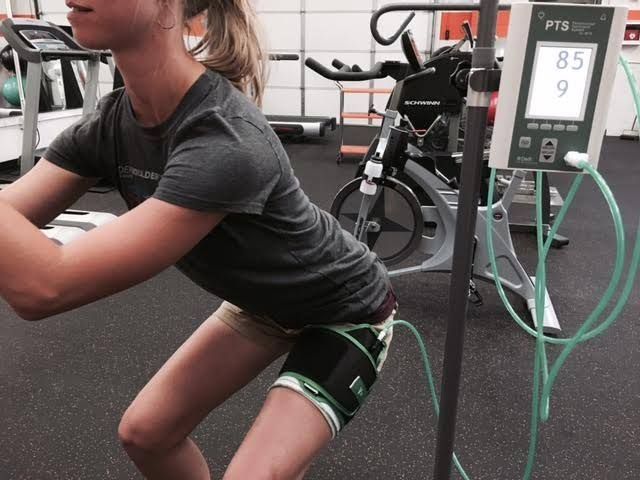
Woman doing a squat with a cuff on her thigh connected to a monitor displaying numbers. Gym setting.
By Redfern Physiotherapy & Sports Medicine July 11, 2023
Blood flow restriction (BFR) training involves restricting the blood flow to working muscles during exercise, resulting in hypoxia in the muscle tissue. Find out