



Rugby Physiotherapy Sydney: Elite Principles for You
September 25, 2026
Physiotherapy for Rugby
Most people assume elite rugby physiotherapy is a world apart from everyday injury recovery. It is not. The same principles that keep a professional forward playing through a gruelling NRL season, or that guide the NSW Blues through a State of Origin campaign, are directly applicable to a weekend runner with a recurring hamstring strain or a desk worker dealing with a shoulder impingement. The gap between elite and everyday care is not about the principles. It is about access. At Alexandria Physiotherapy, we deliver
rugby physiotherapy Sydney
standards to every patient who walks through our doors, drawing on more than two decades at the highest levels of professional sport.
Table of Contents
- What Makes Elite Rugby Physio Different
- Load Management: The Principle Most Everyday Patients Ignore
- Neuromuscular Retraining: Beyond Just Resting the Injury
- Soft Tissue Therapy and How It Fits Into a Structured Plan
- Return-to-Activity Protocols: The Elite Standard
- Comparing Recovery Approaches
- Frequently Asked Questions
Quick Takeaways
What Makes Elite Rugby Physio Different
Elite rugby physiotherapy is not defined by access to ice baths or expensive equipment. It is defined by the quality of clinical decision-making and the structure of the recovery program. Professional rugby players follow meticulously planned recovery and injury-prevention protocols throughout the season
, built around the demands of their position, their injury history, and the match schedule. What separates elite care from a generic six-session course of treatment is exactly that level of structure and individualisation.
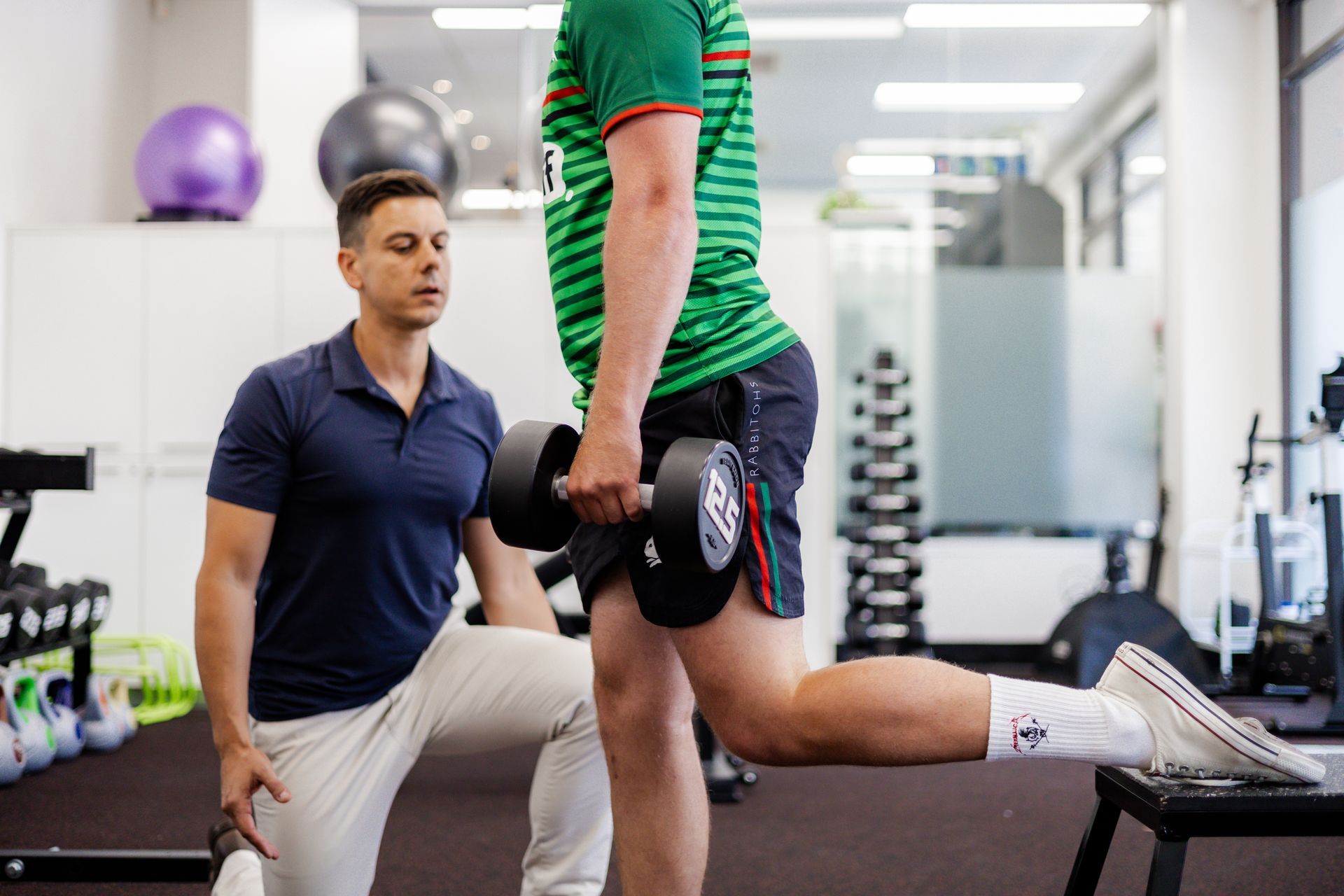
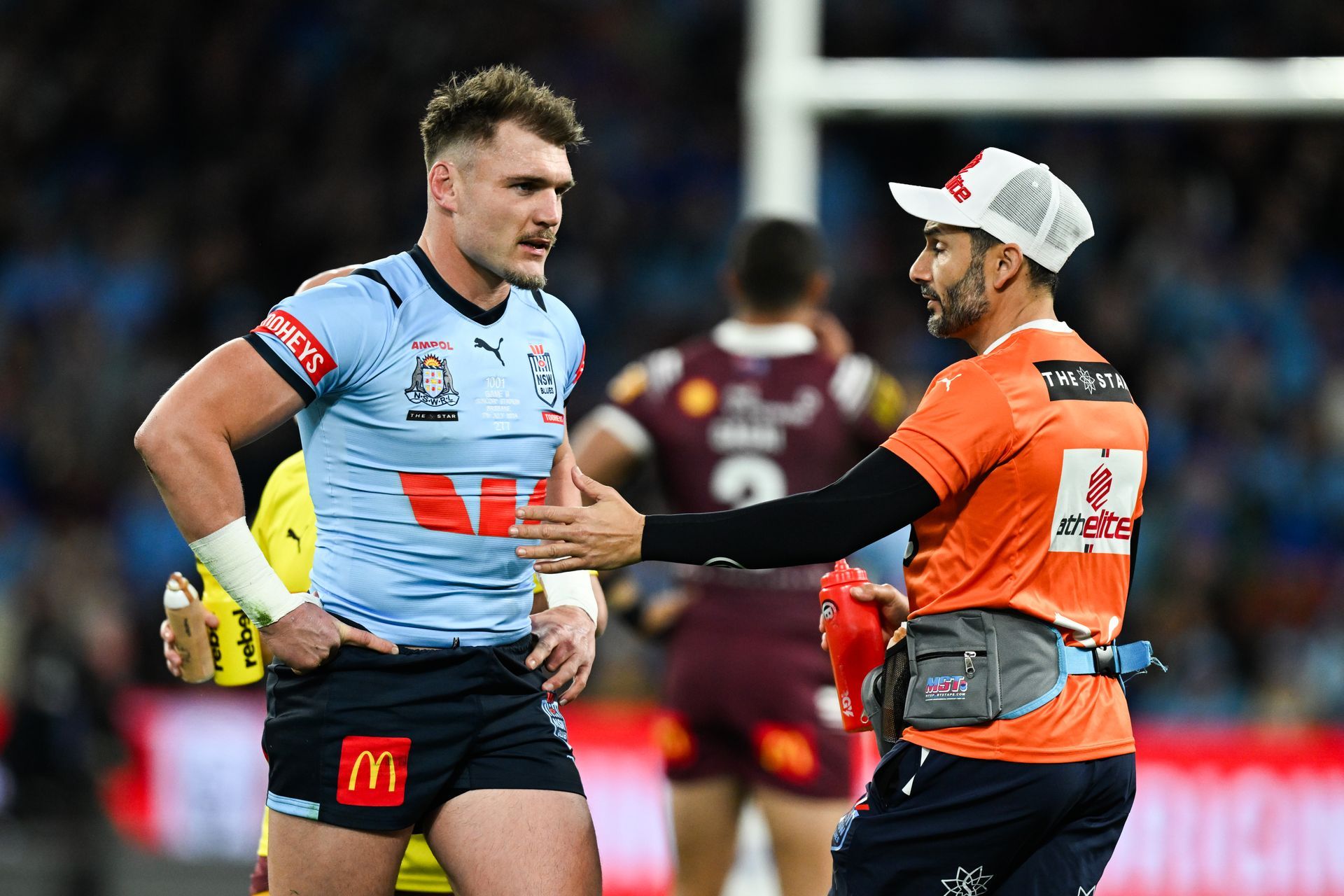
At Alexandria Physiotherapy, the clinical team was built on the foundation of real elite sporting environments. Head physiotherapist Eddie Farah serves as the current Head Physiotherapist for the NSW Blues, and alongside co-founder Steve Velovski, has led the physiotherapy program at the South Sydney Rabbitohs NRL club for over a decade. Their work also extends to Australian Rugby, the NSW Waratahs, and Olympic athletes. That is not a marketing point. It means the clinical standards, assessment protocols, and rehabilitation philosophies used with community patients in Alexandria are the same ones road-tested in high-stakes professional environments.
The core difference in elite rugby physiotherapy comes down to three things: the quality of the initial assessment, the precision of load management throughout recovery, and the commitment to functional, sport-specific rehabilitation rather than symptom management alone. These are not luxuries. They are what actually gets people better.


Load Management: The Principle Most Everyday Patients Ignore
Load management is probably the most misunderstood concept in injury recovery, and it is the one elite rugby programs get most right. The principle is straightforward: the amount of mechanical stress placed on healing tissue must be carefully controlled at each stage of recovery. Too little load and the tissue heals slowly and weakly. Too much and you extend the injury or create new damage.
In professional rugby, this is applied with precision. Training volumes, contact drills, and match minutes are all periodised around tissue healing timelines. Research on acute injuries in elite rugby highlights that training loads should be carefully periodised and recovery protocols individually structured to reduce injury risk and accelerate return to play. Community patients rarely receive this level of structure, which is why so many end up stuck in cycles of partial recovery and re-injury.
What Load Management Looks Like in Practice
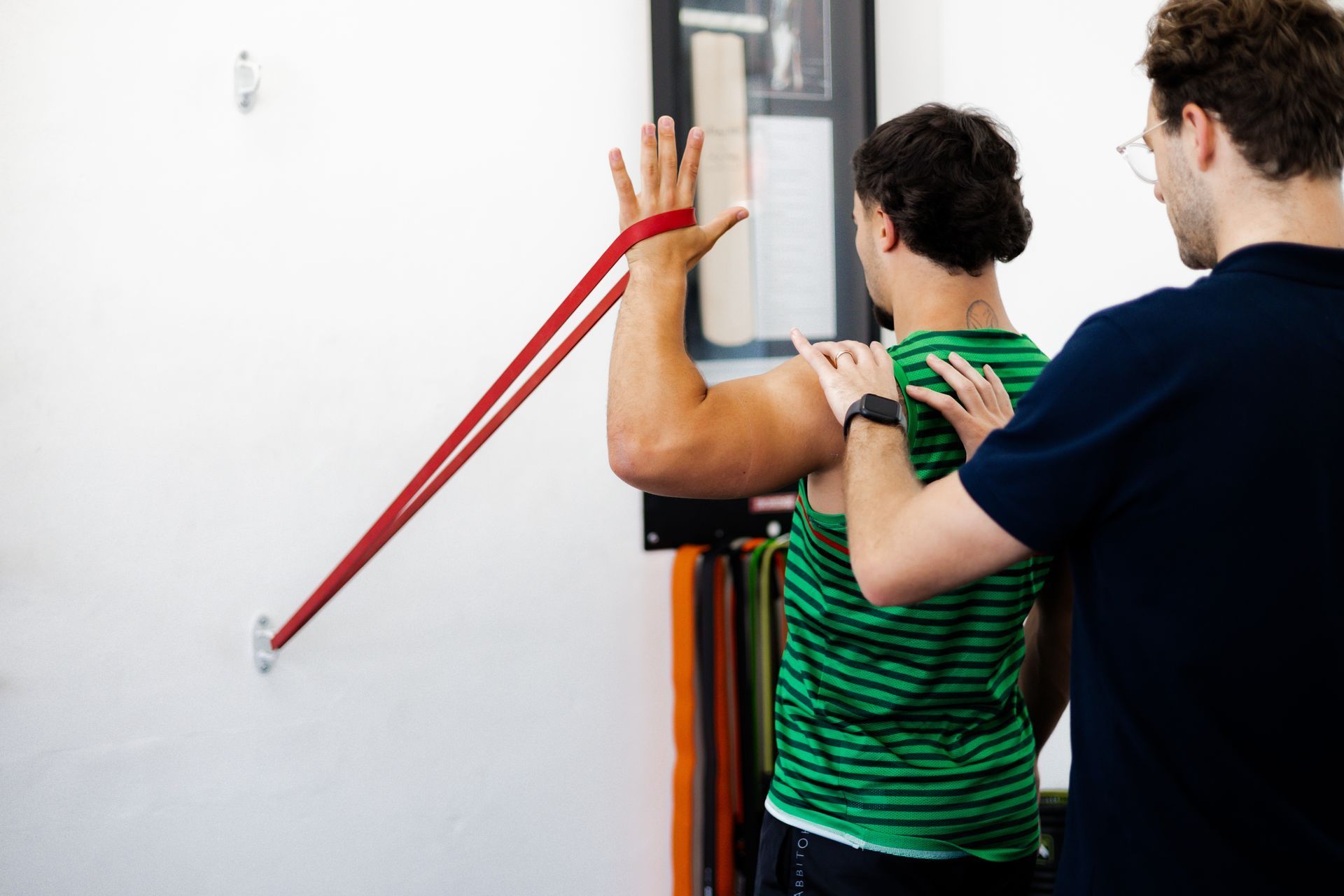
For a recreational runner with a calf strain, load management means progressing from walking to jogging to running at specific intervals based on tissue tolerance, not on how the calf feels on a given morning. For a gym-goer with a rotator cuff injury, it means structured overhead loading progressions rather than simply avoiding pressing movements until the pain goes away.
The most common mistake is treating pain as the only guide.
Pain reduction happens significantly faster than tissue healing. A patient who feels 80 percent better at week three of a hamstring rehabilitation program is not 80 percent ready to return to sport. The tissue is still remodelling, and loading it as if it were fully healed is a reliable way to re-injure it.
Pro tip:
If your current physio has not discussed a clear loading progression timeline with you, including specific benchmarks you need to hit before returning to your activity, ask for one. Load management planning is standard in elite rugby environments and should be standard in your recovery too.
Neuromuscular Retraining: Beyond Just Resting the Injury
One of the clearest lessons from elite rugby physiotherapy is that the body's nervous system takes damage in an injury just as surely as the physical tissue does. When you sprain an ankle, you do not just damage the ligament fibres. You disrupt the proprioceptive nerve endings that tell your brain where that ankle is in space. If you only treat the ligament and ignore the neuromuscular deficit, you are leaving yourself highly vulnerable to the same injury recurring.
Neuromuscular re-education aims to retrain this brain-muscle connection. In practice, this means exercises focused on balance and joint position sense, agility drills, and progressive plyometric work. At the elite level, physiotherapists incorporate sensory integration drills, balance challenges, and dual-task training to rebuild neuromuscular control. The same work, scaled appropriately, is what everyday patients need after any moderate-to-significant injury.
Why This Matters More Than Most People Realise
The neuromuscular deficit after injury is often invisible. The tissue looks healed on imaging. The pain is gone. The patient feels ready. But put them in a reactive, unpredictable movement situation and the deficit becomes clear immediately. This is why so many ankle sprains recur, why ACL reconstructions have disappointing re-injury rates in patients who skipped the latter stages of rehabilitation, and why lower back injuries become chronic in people who only ever treated the acute episode.
Elite rugby clubs do not discharge a player until they can demonstrate reactive neuromuscular control under sport-specific conditions.
The equivalent for a recreational runner is demonstrating single-leg stability and dynamic loading capacity before returning to running. For a construction worker, it means controlled strength and movement quality under a load that mirrors their work demands.
Pro tip:
Neuromuscular retraining is not the same as general strengthening. If your rehabilitation consists only of resistance exercises with no balance, proprioception, or reactive movement component, you are missing a significant portion of what makes elite-level recovery actually work. Talk to your physio at Alexandria about whether your current program includes this.

Soft Tissue Therapy and How It Fits Into a Structured Plan
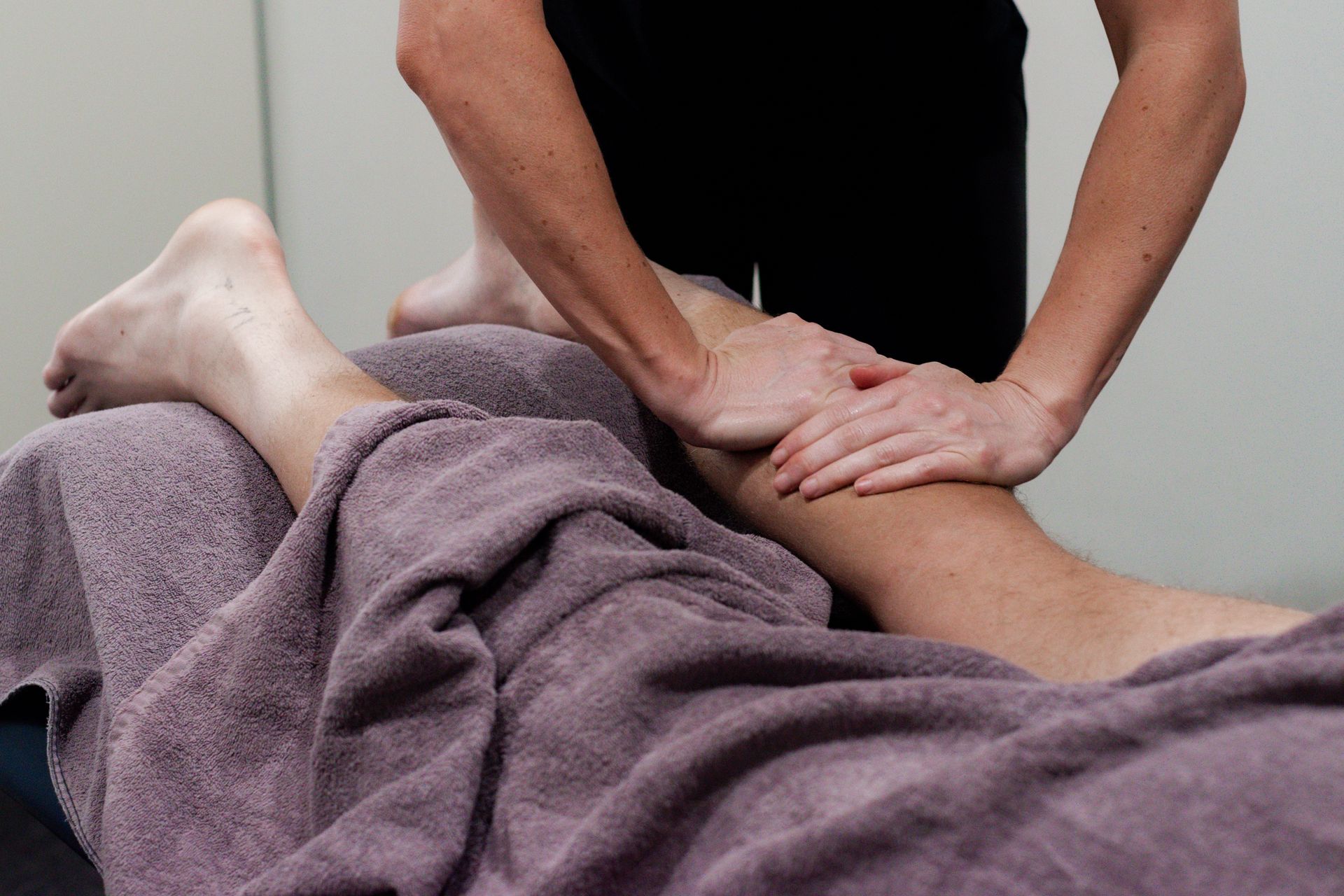
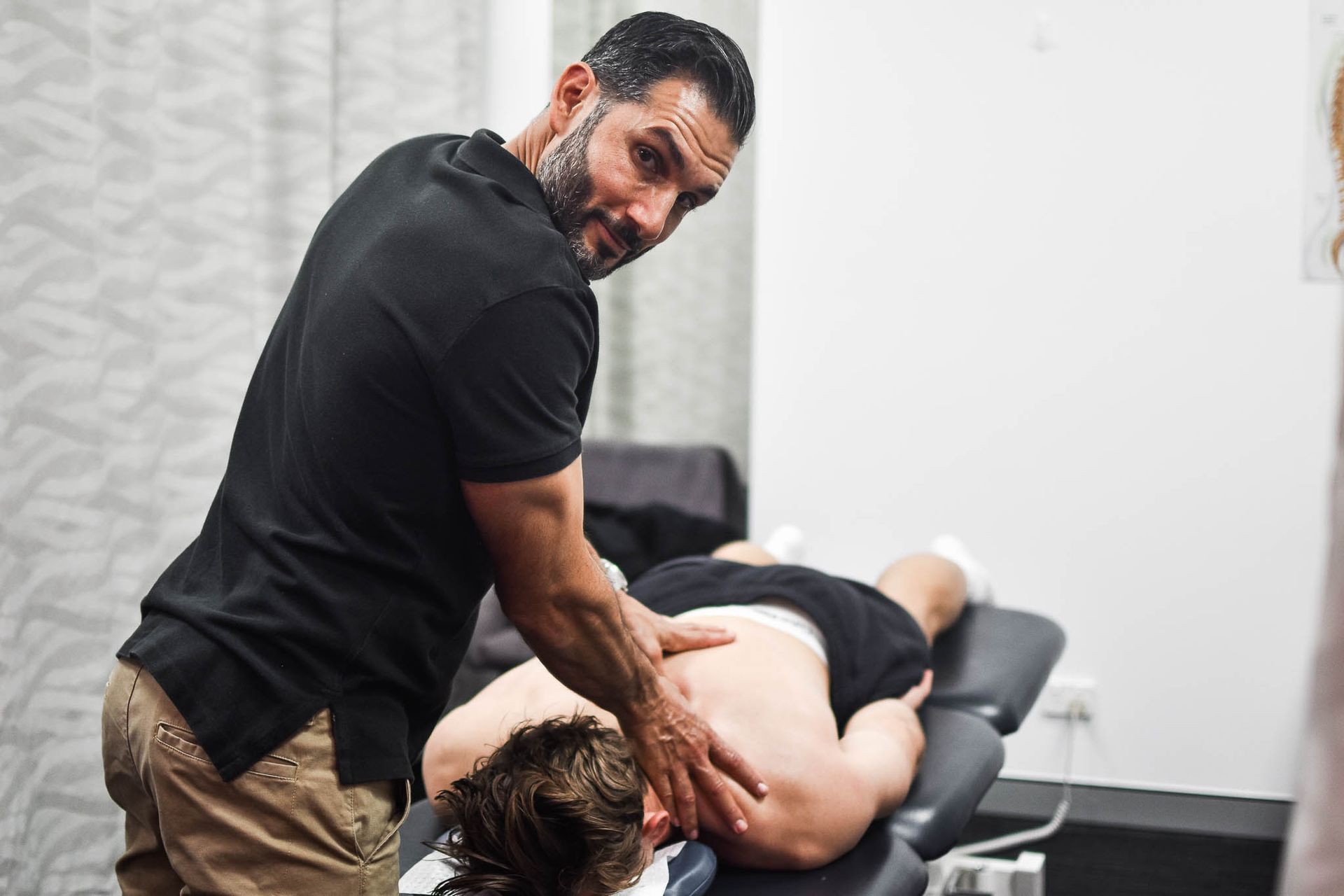
Massage and soft tissue work occupy a specific and well-defined role in elite rugby physiotherapy. They are not the treatment. They are preparation for treatment. Soft tissue therapy techniques such as massage and myofascial release help reduce perceived muscle soreness, improve mobility, and support efficient movement patterns. That is exactly what they should do, and nothing more.
The problem in community physiotherapy is that soft tissue therapy is often the entirety of the treatment session, with a few exercises attached as an afterthought. In an elite rugby environment, hands-on work is used to reduce restriction and improve tissue quality so that the patient can then engage effectively in the active rehabilitation work that builds real capacity. The order matters, and the proportion matters.
Soft Tissue Therapy at Alexandria
At Alexandria Physiotherapy, massage therapy is delivered as part of a comprehensive plan, not as a standalone service for people who want to feel better for a few days. When Eddie Farah and Steve Velovski built the clinic on the principles developed at the South Sydney Rabbitohs, they brought exactly this philosophy with them: hands-on care serves the active rehabilitation goal, and every technique used should be connected to a clear clinical reason.
For athletes managing high training loads, this might mean regular soft tissue work to maintain tissue quality and reduce the cumulative effects of training. For someone recovering from a soft tissue injury, it means targeted work on the specific restrictions that are limiting movement or loading tolerance. For someone managing a chronic condition, it might mean periodic myofascial release as part of a long-term management strategy that also includes exercise and load modification.
Return-to-Activity Protocols: The Elite Standard
Return-to-play protocols in professional rugby are among the most rigorously structured systems in all of sports medicine. They exist for a reason: returning a player too early is worse than keeping them out longer. An improperly rehabilitated ankle sprain can lead to future joint degeneration. A poorly managed hamstring strain leads to a re-tear at three times the original severity. These are not hypothetical risks. They are documented patterns that elite physiotherapists spend careers trying to prevent.
The framework used at the elite level moves through clear phases: reducing acute inflammation and pain, restoring full range of motion, rebuilding strength to symmetrical levels, completing sport-specific loading and reactive work, and then a graduated return to full activity under monitored conditions. Each phase has entry and exit criteria based on objective measures, not just how the patient feels.
Applying This Standard Outside Professional Sport
The direct translation for everyday patients is this: your return to the gym, to running, to your recreational sport, or to the physical demands of your job should follow the same phased logic. It needs entry and exit criteria. It needs objective benchmarks. A physiotherapist who clears you to return based on a brief chat and a pain rating of two out of ten is not applying elite standards of care.
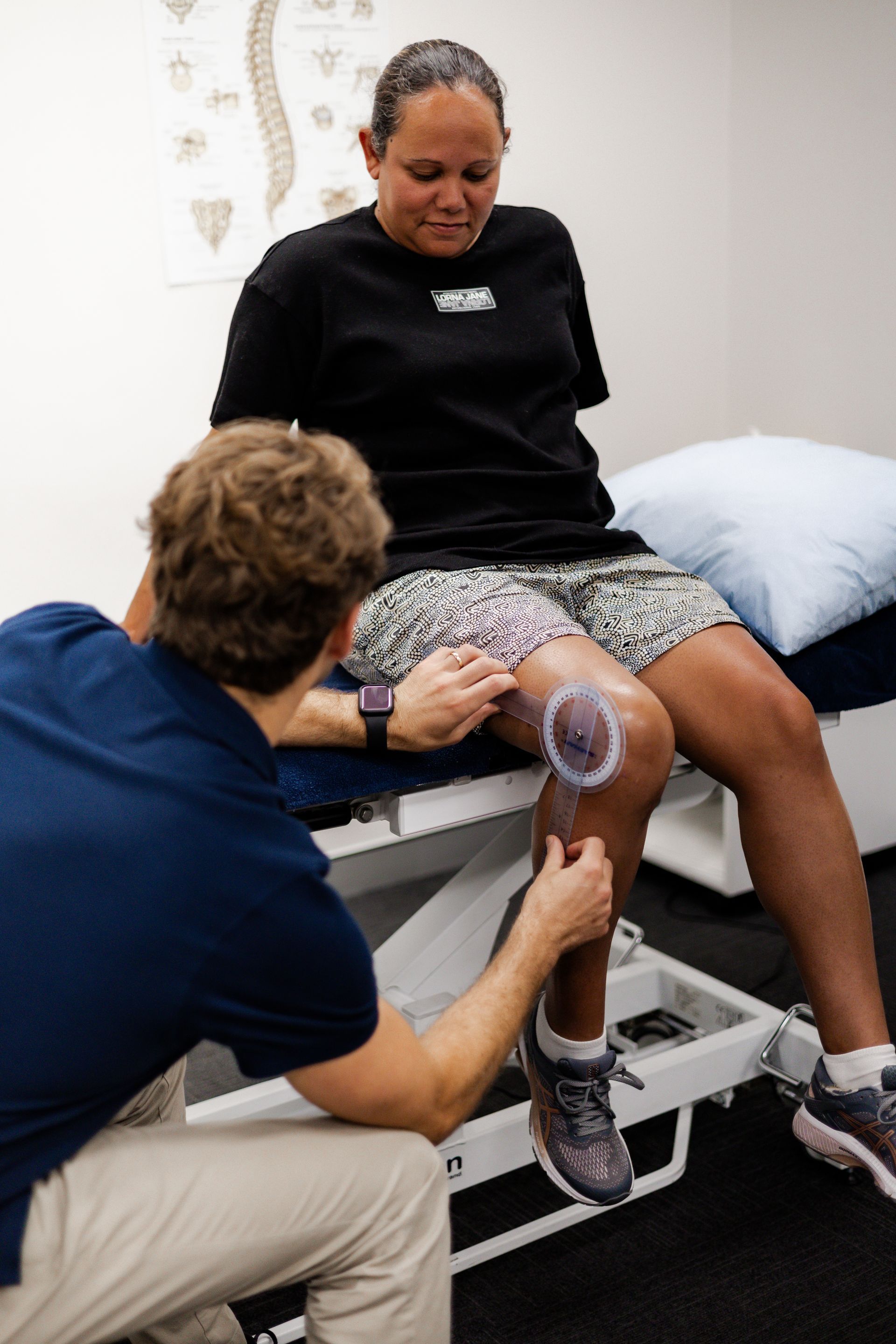
At Alexandria Physiotherapy and Sports Injury, the return-to-activity process is structured around the same principles used with NRL players and elite rugby athletes. This means your hamstring rehabilitation has specific strength benchmarks before you return to running. Your rotator cuff rehabilitation has overhead loading benchmarks before you return to overhead sport. Your knee rehabilitation has dynamic stability benchmarks before you return to court sport or contact activity.
Treating sport and activity as the outcome, rather than pain resolution as the outcome, fundamentally changes how rehabilitation is structured, and how effective it is.
Comparing Recovery Approaches
Not all recovery approaches are built the same way. Understanding the difference between a passive, symptom-focused approach, a standard active rehabilitation model, and the elite-informed model used at Alexandria helps clarify what you should expect from your physiotherapy care.
The distinction between standard active rehabilitation and elite-informed physiotherapy is not always about what techniques are used. It is about the precision with which they are programmed, progressed, and connected to the patient's actual activity demands.
Frequently Asked Questions
Do I need to be a rugby player or an athlete to benefit from elite physiotherapy principles?
No. The principles of load management, neuromuscular retraining, and structured return-to-activity protocols apply to anyone recovering from a musculoskeletal injury. Whether you run recreationally, play social sport, work a physically demanding job, or simply want to stay active and pain-free, the same clinical logic applies. Elite physiotherapy principles are about the quality of the approach, not the level of the athlete.
What is the difference between seeing a sports physiotherapist and a general physiotherapist?
A sports physiotherapist with genuine high-performance experience brings a deeper understanding of activity demands, tissue loading principles, and return-to-sport protocols. They are more likely to set objective benchmarks for your recovery rather than relying on pain levels alone, and more likely to incorporate neuromuscular retraining as a structured component of your program. At Alexandria Physiotherapy, the clinical team's background includes the NRL, NSW Blues State of Origin, Australian Rugby, the NSW Waratahs, and Olympic athletes, and that experience shapes how every patient is assessed and treated.
How long does elite-standard injury rehabilitation typically take?
This depends entirely on the injury, the tissue involved, and what you are returning to. Soft tissue injuries such as muscle strains typically move through acute, loading, and return-to-activity phases over four to twelve weeks. More complex injuries involving ligaments, cartilage, or post-surgical rehabilitation take longer. What elite-standard care changes is not necessarily the timeline but the quality of the outcome at the end of it. Patients who complete a properly structured program are significantly less likely to re-injure the same area.
Is massage therapy enough on its own to recover from a sports injury?
It is not. Soft tissue therapy reduces muscle soreness, improves mobility, and prepares tissue for loading. But it does not rebuild tissue strength, restore neuromuscular control, or address the movement patterns that contributed to the injury in the first place. In an elite rugby environment, hands-on therapy is a component of a broader program, never the program itself. The same standard applies to community patients at Alexandria Physiotherapy.
What should I expect at my first appointment at Alexandria Physiotherapy?
A thorough assessment of the injured structure, including grading the severity and identifying any contributing factors in your movement, strength, or load history. From there, you will receive a clear explanation of what is injured, why it happened, and a structured plan for recovery that includes specific milestones. You should leave that first appointment understanding exactly what is wrong and what the path forward looks like. That clarity is a direct product of the high-performance clinical culture the clinic was built on.
Can elite physiotherapy principles help with chronic or recurring injuries, not just acute ones?
This is actually where elite principles are most valuable for everyday patients. Many chronic injuries are the direct result of an acute injury that was never properly rehabilitated, typically because load management was ignored, neuromuscular deficits were not addressed, or the patient returned to activity before tissue readiness criteria were met. Applying a structured, evidence-based approach to a chronic problem means going back to the fundamentals and rebuilding the capacity that was never properly established in the first place. It is more demanding than treating an acute injury, but it produces lasting results.
If you have been managing a persistent injury or want to know whether your current rehabilitation is meeting elite standards, share your experience in the comments or get in touch with the team at Alexandria Physiotherapy directly.
References
- A physiotherapist's guide to how elite rugby players recover and the principles that apply to all active people
- A modern clinical guide to physiotherapy for rugby injuries covering neuromuscular retraining and evidence-based rehabilitation
- How physiotherapy supports rugby players across injury prevention, soft tissue management, and return to sport
- Peer-reviewed research on acute injury patterns and individualized recovery protocols in elite rugby
- Clinical overview of common rugby injuries and the role of structured physiotherapy rehabilitation in safe return to play

If you’ve ever been tempted by a diet promising quick results, you’re definitely not alone.

Discover how increased exercise impacts your immune system and why proper nutrition, energy intake and recovery are essential for staying healthy.
The complete guide to exercise rehabilitation Sydney: phases, progressive loading, return to sport criteria, and performance enhancement from Alexandria Physiotherapy.

Discover the step-by-step ankle sprain physio protocol used with elite athletes in Sydney. From PEACE and LOVE to return-to-sport testing at Alexandria Physio.
Desk worker with lower back pain in Sydney? Alexandria Physio explains causes, ergonomic fixes, exercises, and when to seek expert physiotherapy treatment.

Understand what evidence-based physiotherapy means, how it shapes recovery, and why Alexandria Sydney's elite physio clinic applies it to every patient and athlete.

Learn how sports physiotherapy aids in injury recovery & prevention. Contact us for expert support today!

Learn effective strategies for treating jumper's knee. Contact us for expert physiotherapy support tailored for athletes.

Diet and rehabilitation. When you’re dealing with an injury, it’s easy to focus only on rest and rehab. But what you eat can have a huge impact on how quickly
Learn effective strategies to reduce bone stress injuries. Contact us for expert advice on training, nutrition, and biomechanics.