



What Does a Sports Physiotherapist Do (and When Should You See One)?
What Is Sports Physiotherapy and How Can It Help You?
When people picture physiotherapy, they often imagine someone rubbing a sore muscle and sending you on your way. Sports physiotherapy works differently, and understanding that difference can be the reason an injury is fully resolved rather than one that keeps returning.
Whether you're a competitive athlete, a weekend runner or simply someone who wants to keep moving well, here's what sports physiotherapy involves and how it can help.
What is sports physiotherapy?
Sports physiotherapy is physiotherapy focused on assessing, treating and preventing sports and activity-related injuries, and on helping people return to their sport and perform at their best. It draws on a detailed understanding of anatomy, biomechanics and how the body adapts to load, applied to both rehabilitation and injury prevention.
How is it different from just treating the sore spot?
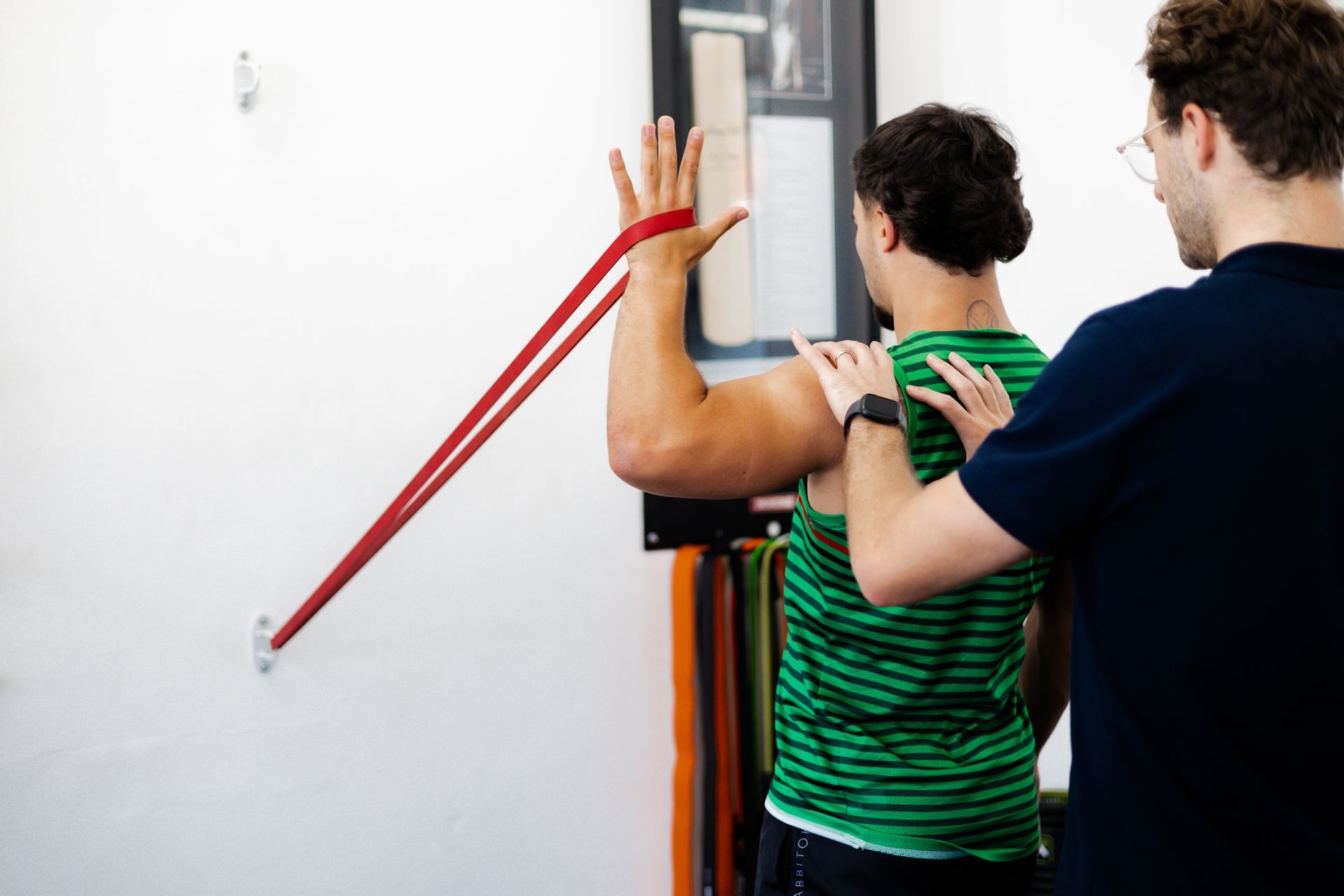
The main difference is depth, in both diagnosis and exercise. A good assessment doesn't just identify what is injured; it works out why it happened. A hamstring strain, for example, might trace back to a strength imbalance, a spike in training or the way you run. Treat only the sore hamstring, and it tends to return. Address the underlying cause, and it often doesn't.
It also means understanding exercise itself, including how tissues adapt to load and the principles behind strength and conditioning, which shape how an injured area is rebuilt and prepared for the demands of sport.
What is exercise therapy?
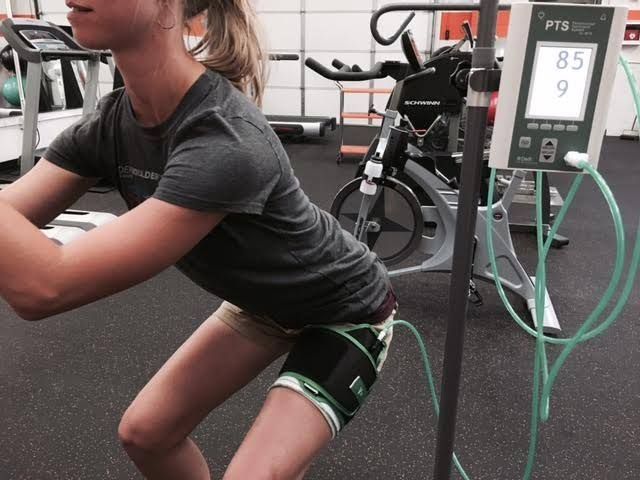
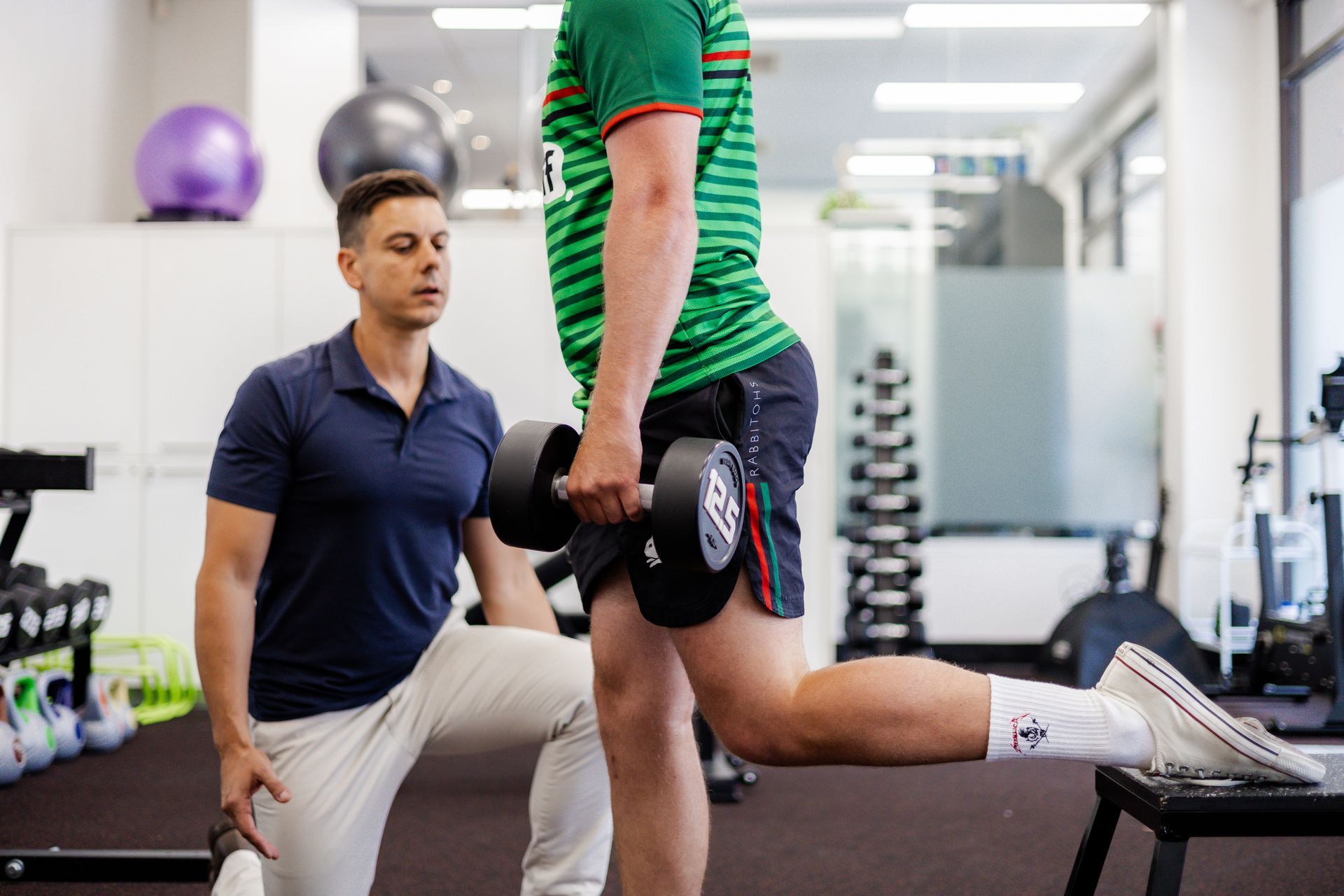
Exercise therapy is physical activity that is specifically prescribed and progressed to reach a defined goal, such as restoring strength, improving control or returning to sport. It is the core tool of sports physiotherapy, and it is a long way from a generic sheet of stretches. Good exercise prescription is:
- individualised to your diagnosis, your specific deficits and your goals,
- targeted to load the right tissues by the right amount, enough to drive adaptation without aggravating the injury,
- staged to match your stage of recovery and the demands of your sport, and
- progressed deliberately as your capacity improves.
Done well, it does more than restore you to where you were. The right program is also associated with lasting gains in strength and performance and a lower risk of future injury.
How is progress measured?
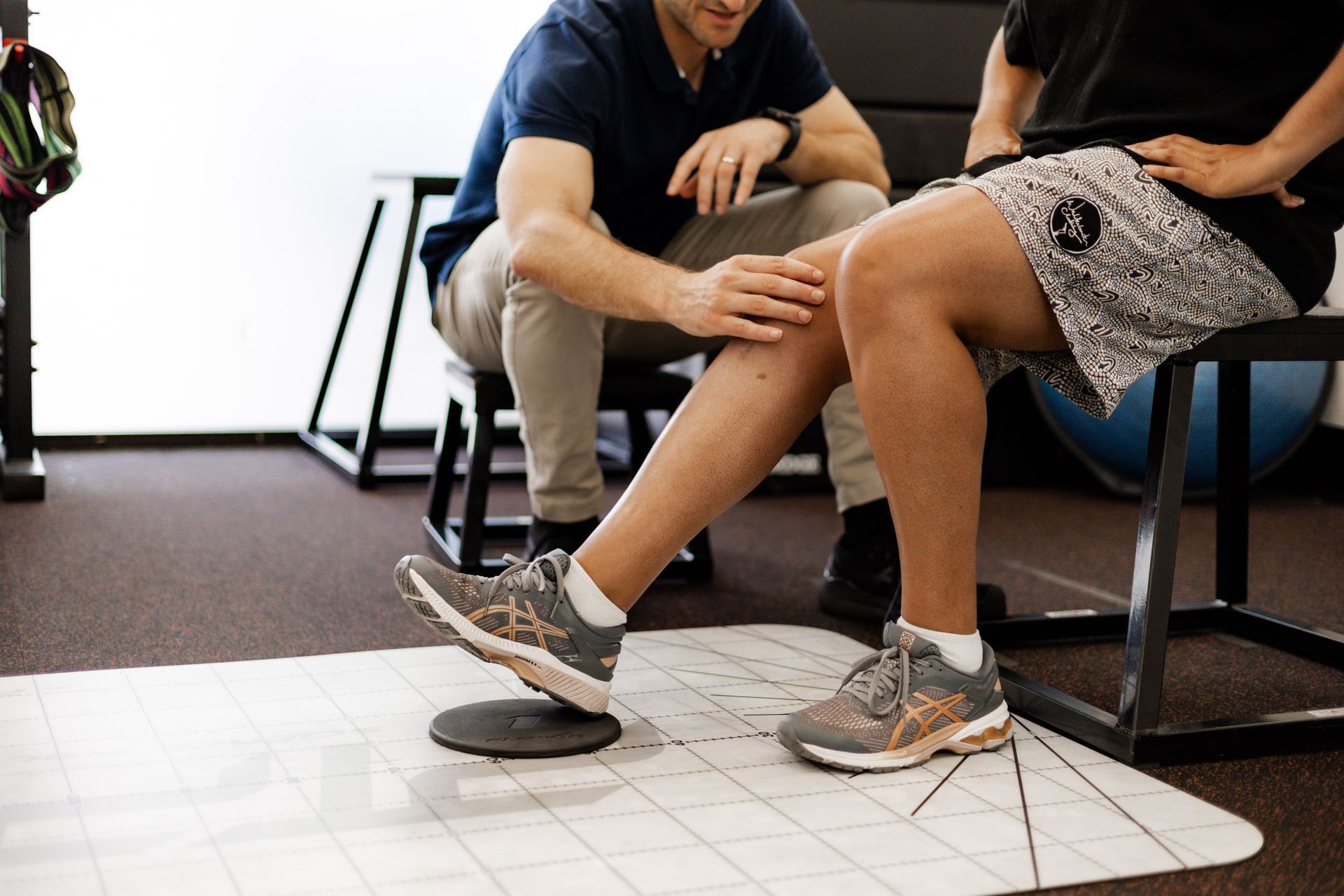
One of the biggest shifts in modern physiotherapy is the move from "how does it feel?" to objective measurement. At Redfern Physiotherapy, we use strength testing (dynamometry) to quantify how your injured side compares with your healthy side, and to track recovery through each phase.
That data matters most for the two hardest decisions in rehabilitation: how hard to push, and when it is safe to return to sport. Returning based on measured strength and control, rather than the calendar, is one of the most effective ways to avoid re-injury. It is the same thinking behind our athletic screening, which identifies weak links before they lead to injuries.
Can it help prevent injuries and improve performance?
Yes. The work doesn't end when the pain stops. By identifying risk factors such as strength imbalances, restricted movement, or training-load errors, physiotherapy can reduce the risk of an injury recurring and help you perform better. Prevention and performance are two sides of the same coin.
Sports physiotherapy is a team effort
Good care rarely happens in isolation. In both private practice and elite sport, physiotherapists work alongside sports physicians, dietitians, strength and conditioning staff and coaches. They are also trained to recognise when something more serious is going on and to direct you to the right care quickly.
Our multidisciplinary Redfern clinic, with physiotherapy, dietetics and massage in one place, is built around that kind of coordinated care.
When should you see a physio for a sports injury?
It's worth booking in if you:
- have a sports or activity-related injury you want fully resolved,
- keep getting the same niggle or injury back,
- are recovering from surgery and want a structured return (post-operative rehab),
- want to return to running or sport safely after time off, or
- want to find and address weak links before they turn into injuries.
You don't need to be an elite athlete to benefit. The same principles that help professional players recover and perform apply just as well to staying active in everyday life.
Sports physiotherapy in Redfern
Redfern Physiotherapy and Sports Medicine was founded by physiotherapists with decades of experience treating elite and professional athletes, and our team is recognised for its work in sports injury rehabilitation. We are physiotherapists first and foremost, and we bring that high-performance experience to every patient, from the local weekend player to the competitive athlete.
If you have an injury you want properly sorted, or you simply want to move and perform better, book an assessment at our Redfern clinic.
Frequently asked questions
-
What injuries does sports physiotherapy help with?List Item 1
Common examples include muscle and tendon injuries, joint sprains, post-surgical rehabilitation, overuse injuries and recurring niggles, along with returning to sport safely after time off.
-
Do I need a referral to see a physio?List Item 2
In most cases no, you can book directly. A referral may be required for certain funding schemes, such as workers compensation, DVA or NDIS.
-
Is sports physiotherapy only for athletes?List Item 3
No. The same approach helps anyone who wants to recover well, move better or stay active, not only competitive athletes.
-
How soon after an injury should I see a physio?List Item 4
Generally, the sooner the better. Early assessment and appropriate early loading can speed recovery and reduce the risk of long-term problems.
This article is general information and isn't a substitute for individual assessment.