



Spring Sports Injuries Sydney: 5 Risks to Watch Out For
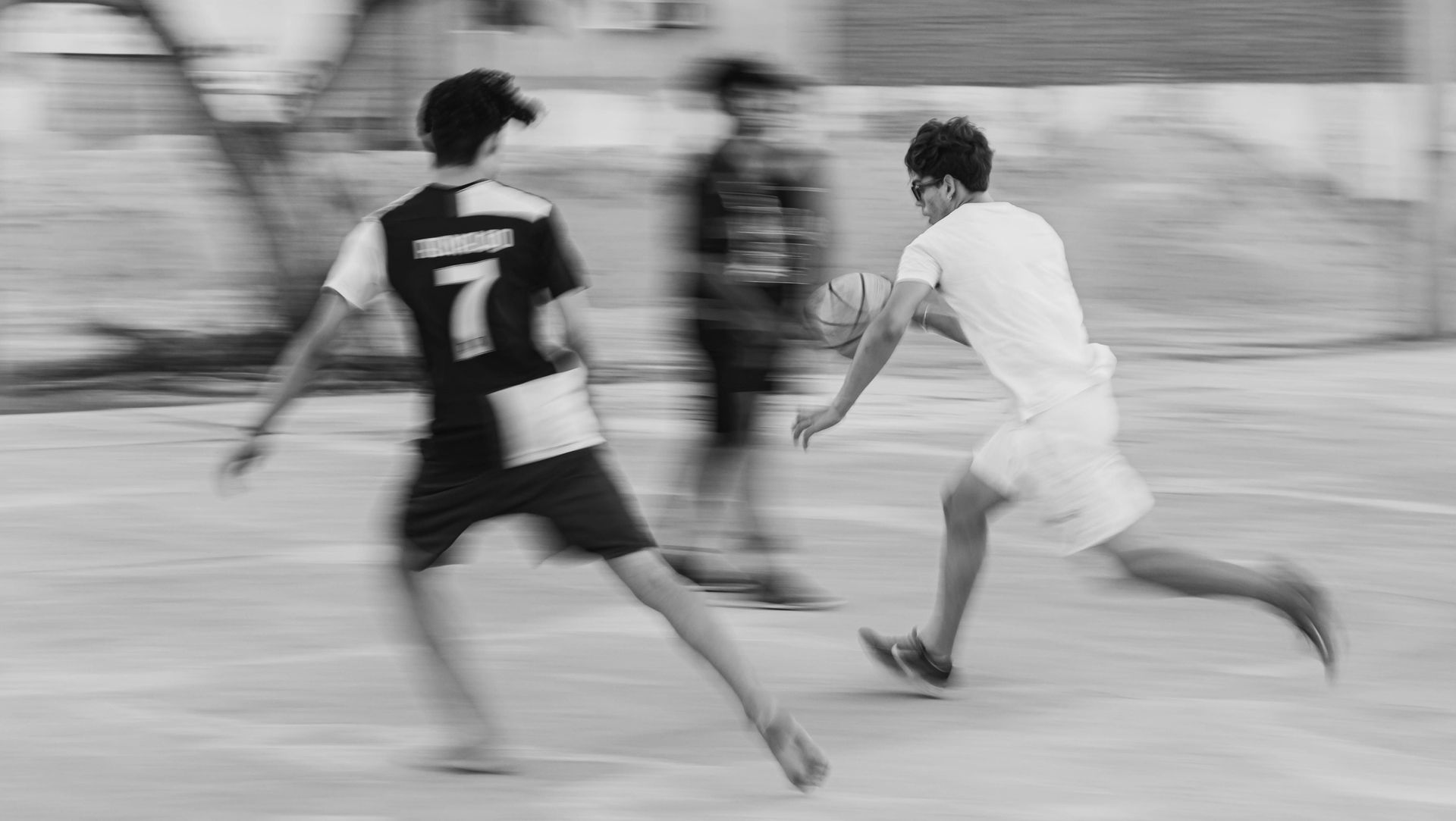
Spring is when Sydney's sports calendar wakes up. Weekend football and netball have restarted, the cricket nets are full, and runners who spent winter indoors are back on the pavement chasing personal bests. At our clinic in Redfern, the first few weeks of spring reliably bring a wave of hamstring strains, ankle rolls, shin pain and sore elbows. Most of these injuries are predictable, and many could have been avoided with a smarter return to activity. This article covers the five spring sports injuries Sydney athletes should watch for, why they happen, and what we do about them.
Table of Contents
- Quick Takeaways
- Why Spring Catches Sydney Athletes Out
- Hamstring and Calf Strains: The Sudden Pop
- Ankle Sprains and the Return to Cutting Sports
- Shin Splints in Returning Runners
- Tennis Elbow and Overuse Arm Injuries
- Knee Injuries in Pivoting Sports
- Comparing Recovery Approaches for Spring Injuries
- Preparing for the Spring Season Before the First Session
- Frequently Asked Questions
- References
Quick Takeaways
| Key Insight | Explanation |
|---|---|
| Build volume in small steps | If you ran 10 km before winter, start with 2 to 3 km at a comfortable pace. Add distance only when the previous week feels easy. |
| A pop is not normal soreness | A sudden pop in the back of the leg during sprinting or a bounding drill is an acute injury. Get it assessed within a few days rather than training through it. |
| Ankle rehab needs balance work | Rest settles the swelling, but a sprained ankle only stops rolling again when balance and strength are trained before you return to cutting sports. |
| Shin pain that warms up and returns is a load signal | If shin pain eases during the warm-up but comes back afterwards, cut running volume and avoid hard concrete until it settles. |
| Reduce heavy grip work first | For tennis elbow, lower the amount of heavy gripping and repetitive racket or bat work, then rebuild grip and forearm strength gradually. |
| Knee pain that worsens with jumping needs a load plan | Patellar tendon pain usually reflects a jump volume that outpaced tendon capacity. If the knee gives way or swells quickly after a pivot, see a clinician the same week. |
Why Spring Catches Sydney Athletes Out
Michael Banffy, MD, chief of Sports Medicine at Cedars-Sinai Orthopaedics, has made a point we see every October: people who have done little over winter carry a higher risk of soft tissue injuries like muscle pulls, ligament strains and sprained ankles. Push too hard, too fast, and chronic overuse problems such as tennis elbow and shin splints follow. The mechanism is simple. Tendons, muscles and bone adapt to load over weeks, and a few months off is enough to lose much of that tolerance.
The Winter Gap Is the Real Risk
Most spring injuries do not happen because someone did something reckless on the day. They happen because the body has been asked to do a week of training it cannot yet tolerate. A footballer who spent winter lifting in the gym may feel fit, but sprint mechanics, deceleration and change of direction are different loads that take time to rebuild. The gym strength is real, but it does not automatically transfer to the speed and tissue stress of match play.
In practice, the athletes we see with the most trouble are often the ones who feel best. They have been training hard in short bursts, they feel strong in the first session back, and they assume the earlier fitness will carry them. It rarely does. Tendons in particular respond slowly, and they can look fine for two weeks before symptoms appear.
Zero to 100 Is How Most Spring Injuries Start
The Cedars-Sinai example is a useful model. A runner who has not been running all winter and then heads out for a 10-mile run is setting up an injury, while starting with one or two miles and building from there gives the muscles and joints time to adapt. The same logic applies in Sydney, whether you are returning to touch football, netball, tennis or cycling. Your first week back should feel slightly too easy.
Going from zero to full intensity is how most spring injuries start. The damage usually reflects the weeks of load that came before the pain, not the single session where it appeared.
Pro tip: Use a simple rule for the first four weeks back. If your legs feel fresh the next morning and your usual soreness fades within a day, add a small amount of load. If you are still limping or stiff the following day, hold the load for another week.
Hamstring and Calf Strains: The Sudden Pop
Muscle strains are among the most common injuries we treat in the first weeks of spring. Hamstrings and calves are the usual targets, particularly in sprinting, kicking, and sports that involve sudden acceleration. The classic presentation is a sharp pain or a feeling of a pop during a specific movement, followed by tightness and difficulty walking fast. That is not the same as the general fatigue that comes with a hard session.
What a Strain Feels Like on Day One
A mild strain often feels like a tight or pulling sensation that appears during a sprint and settles within a few days. A more significant strain tends to bring sharp pain, bruising over the following days, and a noticeable loss of strength when you test the muscle. If you can walk normally but cannot run, the injury is usually still in the early stages, but it still needs a plan rather than a wait and see approach.
Many athletes try to keep training through the discomfort because the pain eases during the warm-up. This is the most common mistake we see. The pain may dull, but the muscle fibres are still not ready for maximal load, and a second strain on top of the first often takes longer to clear than the original injury would have.
Rebuilding Load Before Sprinting Again
Recovery from a hamstring or calf strain is a progression, not a date on the calendar. The early phase focuses on pain-free strength work, such as isometric holds and controlled bridges, before moving into loaded eccentric exercises and then into running and sprinting drills. A common error is returning to full sprinting simply because the muscle no longer hurts during walking. Strength and tolerance to speed need to be tested before the return.
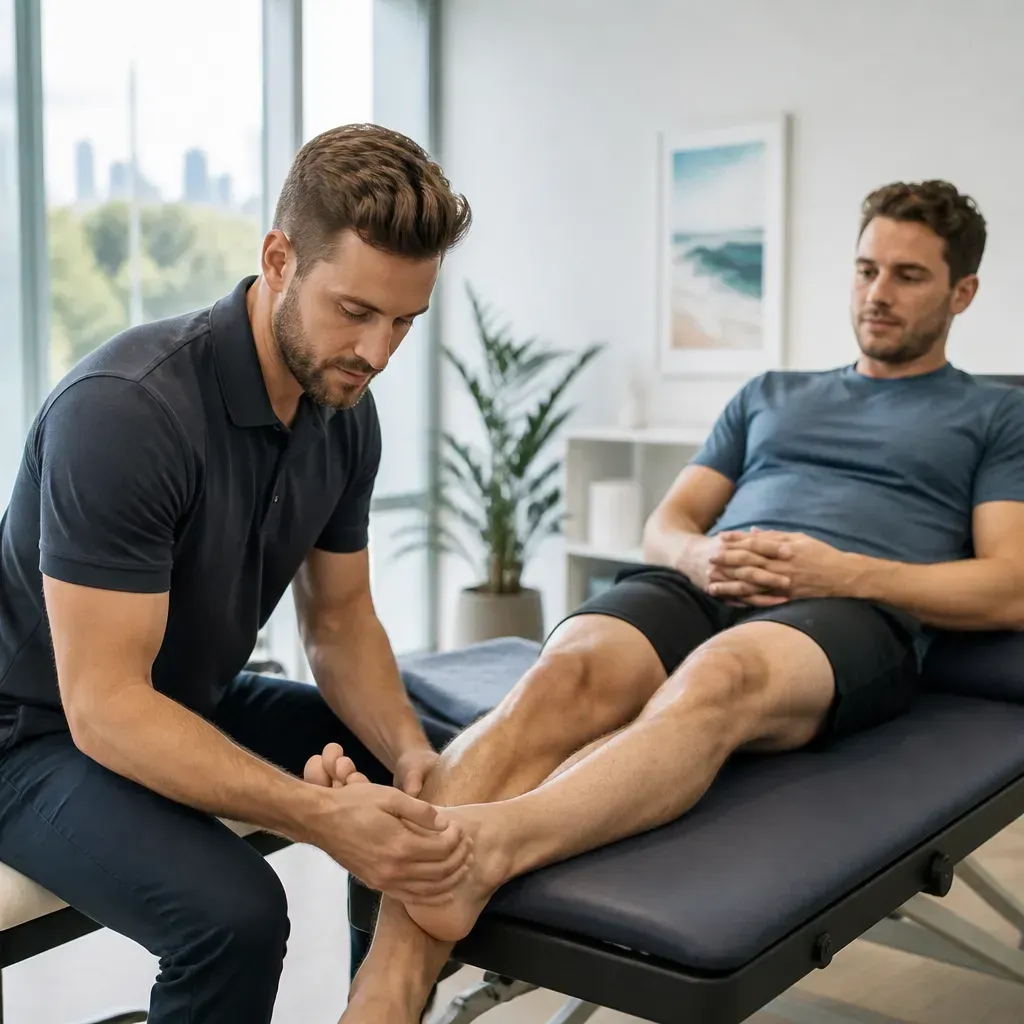
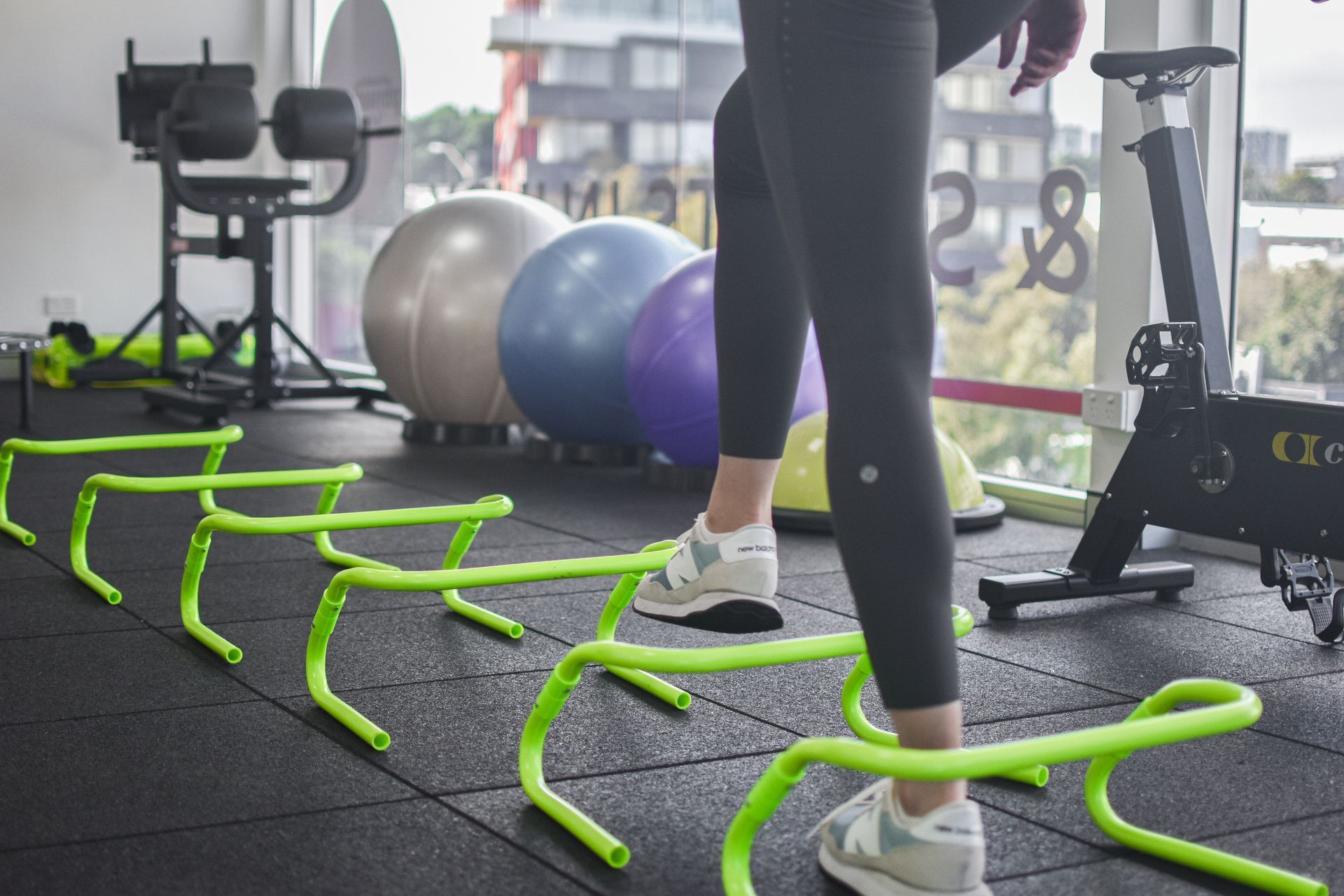
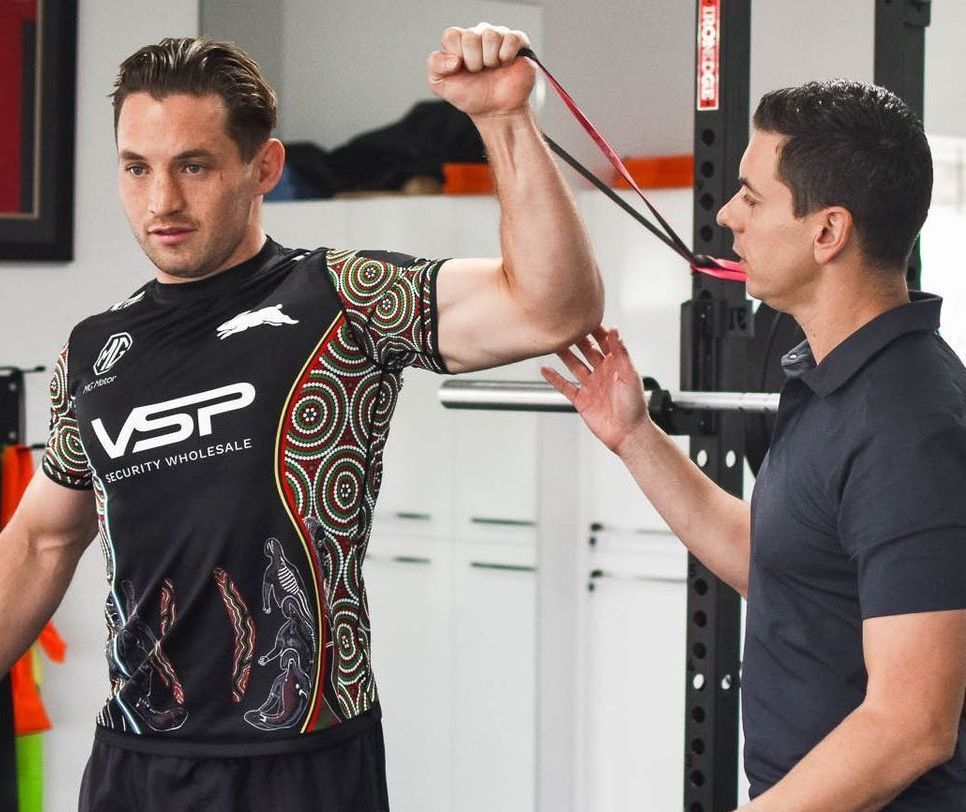
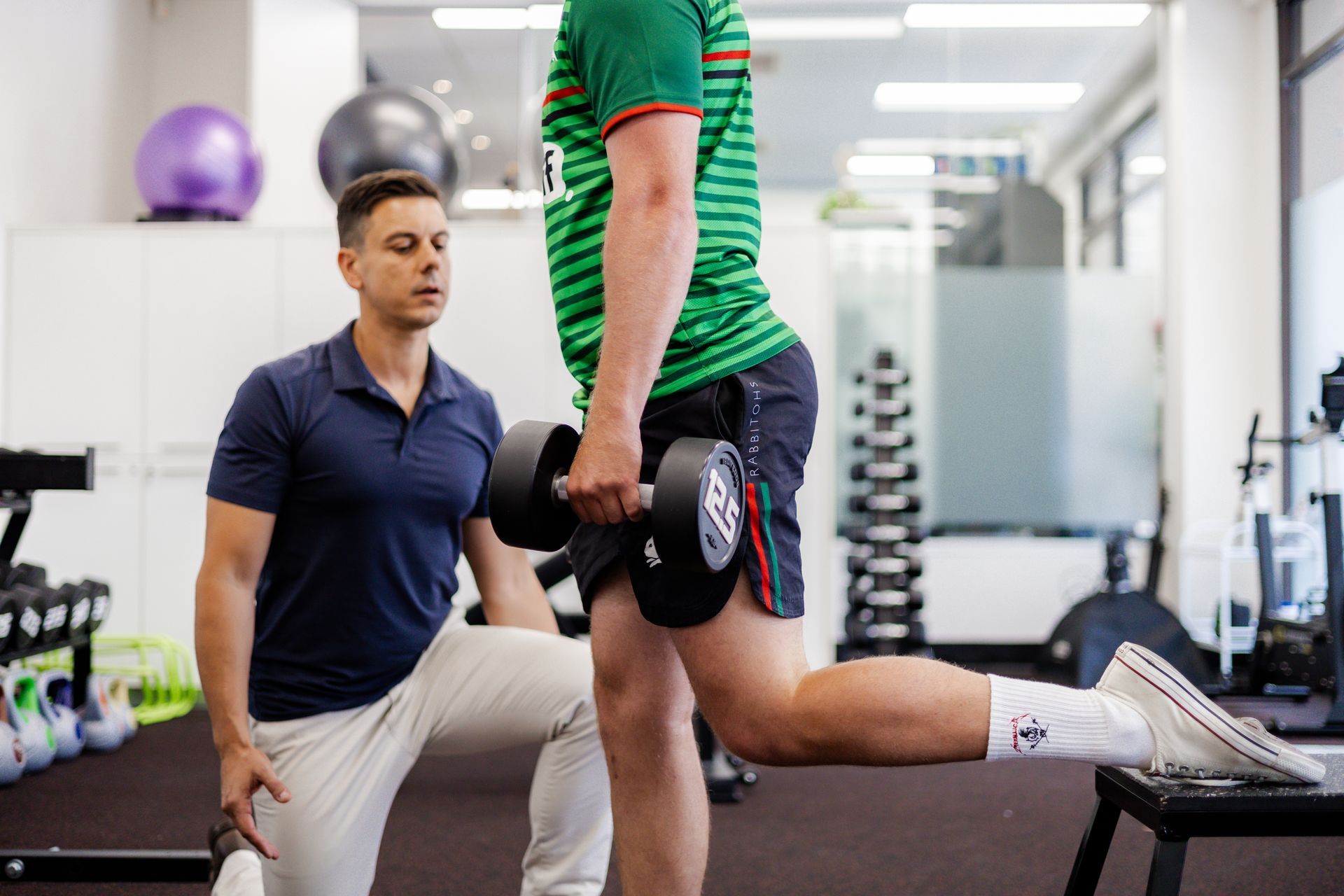
In our rehab gym, we build these progressions with the athlete's sport in mind. A netball player needs different sprint and deceleration work than a distance runner, and a tailored exercise rehabilitation program is the most reliable way to match the progression to the demands of the game.
Pro tip: Warm up with slow, progressive running before any sprint session in the first month back, and finish with a few minutes of gentle calf and hamstring work. Speed should be the last thing you add to a session, not the first.
Ankle Sprains and the Return to Cutting Sports
Ankle sprains are the injury most people expect in spring, and they are also the one most often underestimated. A sprain stretches or tears the ligaments that stabilise the ankle, and it often happens on uneven surfaces, during a landing from a jump, or when changing direction at speed. Swelling and bruising may settle quickly, which tempts people to return before the joint has recovered its control.
Why the Same Ankle Keeps Rolling
The biggest predictor of a repeat sprain is often not the first injury itself but the lack of rehab that followed it. When an ankle is rested until it feels normal and then returned to sport, balance and proprioception may still be impaired. The joint no longer reports its position accurately to the nervous system, so the next uneven step or sudden stop can cause another roll.
Repeat sprains are common in Sydney's social and club sport, where players move from a rest week straight into full training or match play. Once the ankle has rolled twice, the pattern can become a habit of guarding and altered movement that affects the knee and hip as well.
Balance and Strength Work That Matters
Good ankle rehab includes calf and peroneal strength, single-leg balance on firm and unstable surfaces, and controlled hopping and landing before a return to cutting sports. Balance training should progress from standing on one leg with eyes open to closed eyes, then to perturbations and reactive drills. A few minutes a day for several weeks makes more difference than a single long session each week.
Taping and bracing can help some athletes feel more secure during the early return, but they are a support rather than a fix. The lasting protection comes from strength and control. We also check hip and knee mechanics during the rehab phase, because a stiff hip or a weak glute can push the ankle into the same vulnerable position again.
Shin Splints in Returning Runners
Shin splints are the classic overuse injury of the runner who has come back too quickly. The pain sits along the inner border of the shinbone, or tibia, and it is usually worst at the start of a run, easing during activity, and returning afterwards. The condition is common in runners, dancers and athletes in high-impact sports, and it usually reflects a load that has risen faster than the bone and surrounding muscles can adapt to.
Shin Pain That Needs Assessment First
Not all shin pain is shin splints. If the pain is sharp and localised to one spot on the bone, if it hurts when you hop on one leg, or if it wakes you at night, you need to be assessed before continuing to run. A stress fracture can look similar in its early stages, and running through it can turn a manageable problem into a long layoff.
A useful distinction in practice is between pain that is diffuse along the border of the shin and pain that sits in one defined spot. Diffuse pain that responds to load reduction and a gradual build is typically managed well. Focal pain that does not settle warrants imaging or further investigation before any return to running.
Rebuilding Running Volume Safely
For confirmed shin splints, the first step is usually to reduce running volume and replace some of it with lower-impact work such as cycling or swimming, while keeping the rest of your training as intact as possible. Strength work for the calves, tibialis anterior and hips supports the return. Cadence and surface changes can help too. Softer surfaces, such as grass or a running track, reduce the impact compared with concrete.
Footwear matters, but it is not the whole answer. A well-cushioned shoe that suits your foot is helpful, while a shoe that you do not fit properly or that is badly worn is a common contributor. Replace running shoes based on mileage and how they feel, not just on their appearance. For the return, a useful rule is to increase weekly running time in small steps and to stop the session if the pain comes back during it.
Pro tip: Keep a short training log for the first six weeks back. Note the distance, surface and any pain during or after each run. Patterns often appear within a week or two that are hard to see from memory.
Tennis Elbow and Overuse Arm Injuries
Tennis elbow, or lateral epicondylitis, is an overuse injury of the tendons on the outside of the elbow. It is named after tennis, but it is common in golfers, climbers, builders and anyone who repeats a gripping and wrist movement often. Spring brings a surge of tennis, squash and social racket sport after a winter break, so it is a regular feature of our caseload at this time of year.
Grip Load, Racket Technique and Equipment
The elbow rarely gets injured by one hard shot. It gets injured by repeated loading of the tendon with poor technique, too much grip tension, or equipment that does not suit the player. A racket with the wrong grip size, a string tension that is too high, or a habit of gripping tightly on every stroke can all increase the load on the tendon. Players who have just returned to the court often grip harder than they need to because they are trying to control the ball.
The practical fix is to reduce the heavy, repetitive load first. That might mean fewer hours on the court for a short period, a lighter stroke, or a change to a racket or grip size that better fits your hand. Reducing the load is not the same as stopping training entirely. Most athletes can keep moving and keep their fitness while the tendon settles.
Strengthening the Forearm Without Flaring It Up
Once pain is settling, controlled strengthening becomes the core of recovery. Wrist extensor work with light weights, grip training, and forearm endurance exercises rebuild the tendon's capacity. The key is to match the load to what the tendon can tolerate, often using a pain monitoring approach where mild discomfort during exercise is acceptable if it settles within a day. Pain that lingers into the next morning means the load was too high.
Strengthening alone rarely fixes the problem if technique and volume are still the same. We usually combine the forearm program with a review of the stroke, the grip, and the weekly training load, so that the tendon is not asked to do the same job it was failing at before.
Knee Injuries in Pivoting Sports
The knee is the joint where spring injuries can have the biggest long-term consequences. Patellar tendinopathy, sometimes called jumper's knee, is a common overuse problem in sports that involve jumping and landing. Meniscus injuries and anterior cruciate ligament tears happen during pivots, sudden stops and awkward landings. Knee injuries are common in basketball, volleyball, netball, football and skiing, and they are often linked to landing mechanics and the strength of the muscles around the knee.
Patellar Tendon Pain From Jump Volume
Patellar tendon pain usually shows up as pain at the bottom of the kneecap that is worst with jumping, squatting and stair descent. It often follows a rapid increase in jump volume, such as moving from occasional training to multiple sessions a week. The tendon responds to load, so the goal is not to avoid jumping forever but to build the tendon's capacity to handle the demand.
Isometric and heavy slow resistance exercises are often used in the early phase because they can reduce pain while building strength. Jump volume is then increased gradually. A common mistake is to stop all loading, which leaves the tendon weaker, or to push through sharp pain during training, which keeps the problem going for months.
When a Knee Gives Way
If a knee gives way during a pivot, or if it swells quickly within a few hours after a twisting injury, get it assessed the same week. Rapid swelling can indicate a ligament injury, and the earlier it is examined, the more options there are for a safe return. Do not play on through a feeling of instability, because each episode can add damage to the surrounding structures.
Landing technique is a practical focus for prevention across all these sports. Land with the knees soft and in line with the toes, avoid collapsing inward, and keep the trunk under control. Strength work for the quadriceps, hamstrings and calves supports the joint, and flexibility work for the lower body helps the knee move through its normal range without strain.
Comparing Recovery Approaches for Spring Injuries
Athletes often ask whether they should rest, see a physio, or add hands-on therapy. The honest answer is that each approach suits a different stage of injury. Many people also combine approaches, which can work well if the sequence is right. The table below compares three common routes we see in practice.
| Approach | Best For | Main Limitation |
|---|---|---|
| Rest and self-managed load reduction | Mild first-episode soreness that settles within a few days | Does not rebuild capacity. Returning to full activity without a plan often leads to deconditioning and a repeat injury. |
| Tailored exercise rehabilitation program | Strains, sprains and tendon pain that persists beyond the first week or two | Needs consistent attendance and a home program that is done properly, not just on the days when it feels convenient. |
| Physiotherapy with dry needling and remedial massage as adjuncts | Muscle guarding or tension that limits the ability to perform rehab exercises | Works best alongside progressive loading. Used alone, it may ease symptoms without changing the cause. |
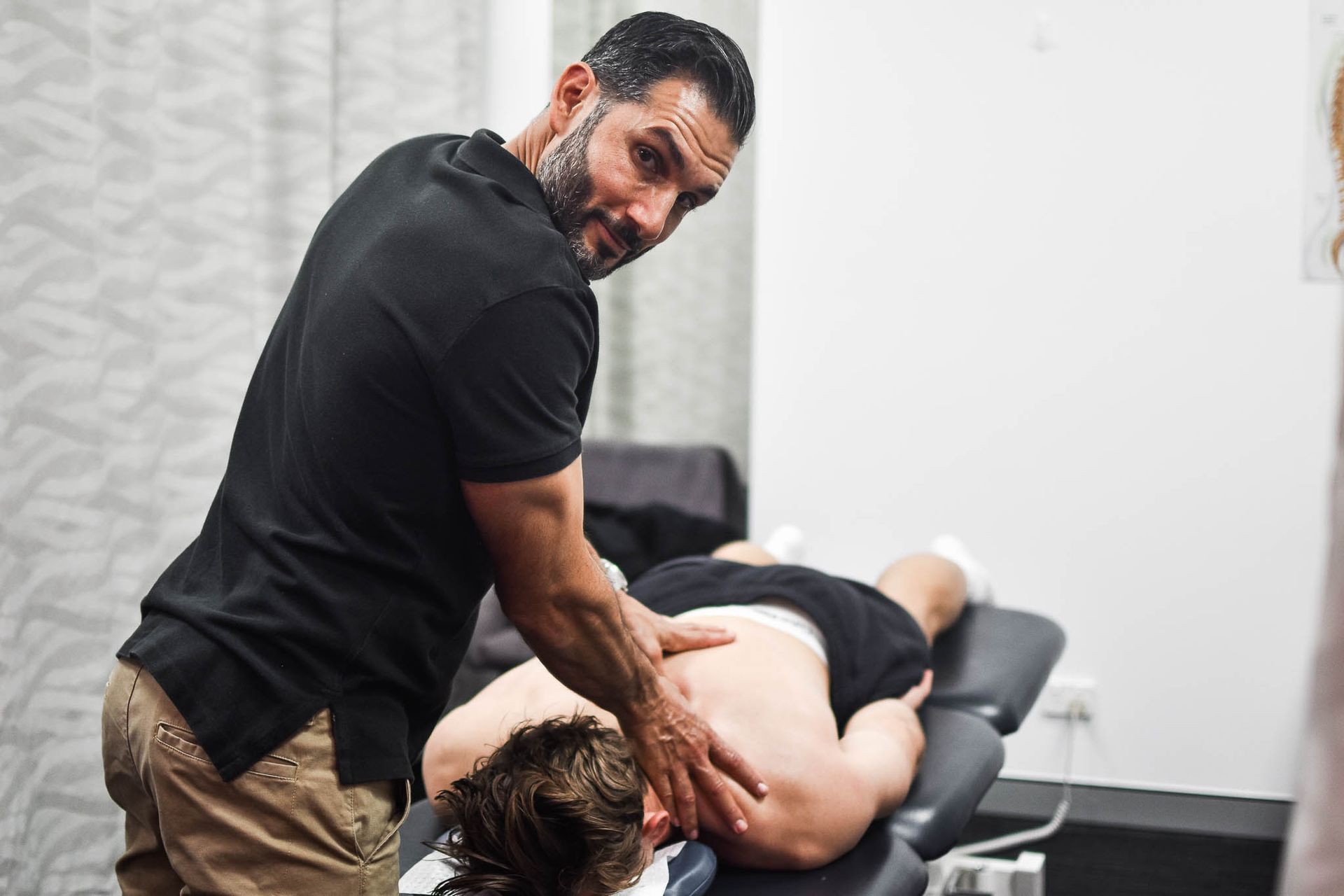
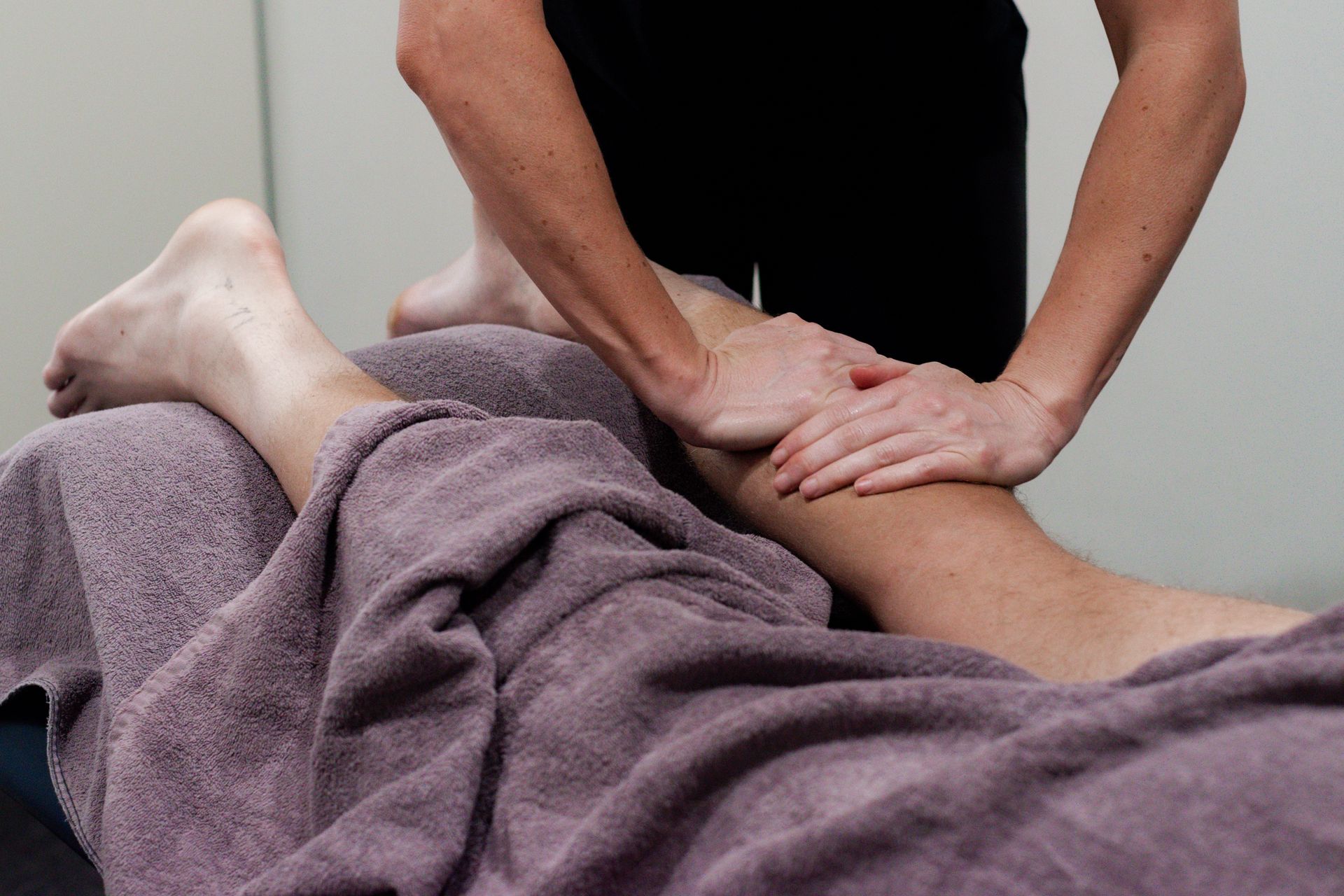
In our experience, the most successful outcomes come from using rest and load reduction early, then moving into a structured program as soon as pain allows. Dry needling and remedial massage can help with muscle tension that blocks progress, particularly in the calf, hamstring and forearm, but they should sit within a broader plan. Hands-on work that is not linked to strength and return-to-sport testing tends to produce short-lived relief.
For athletes with a clear injury history, the choice of approach should also consider the sport and the next competition. A grade 2 hamstring strain in a sprinter needs a longer and more demanding plan than a sore elbow in a social tennis player. Physiotherapy assessment is the step that decides which pathway fits.
Preparing for the Spring Season Before the First Session
The most effective spring injury prevention happens before the first match, race or training session. A few weeks of preparation can reduce the number of injuries that take an athlete out of the season. This is not about adding more training. It is about checking the weak points, building capacity in the right order, and understanding what your body needs to recover.
Pre-Season Athletic Screening
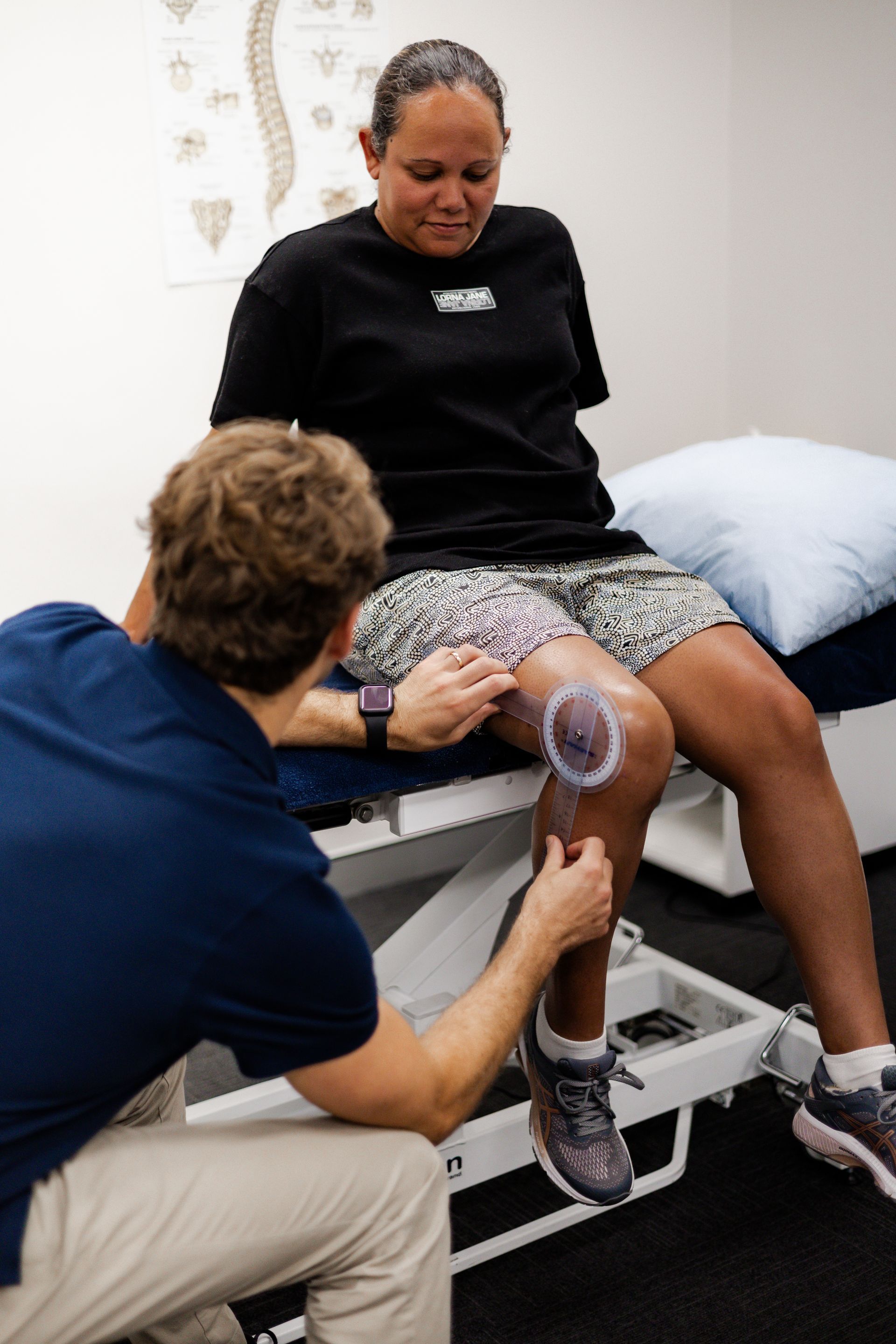
Athletic screening identifies movement and strength imbalances before they turn into injuries. Typical checks include single-leg strength, hip and ankle range, landing control, and the strength of the calf and hamstring. The results give a clear starting point, and any asymmetry or weakness can be addressed in the early weeks rather than discovered after a strain. Screening is most useful when repeated after a few weeks of training to see whether the program is working.
We recommend screening for athletes who had a previous injury, who are returning from a break longer than a few weeks, or who are planning a jump in training intensity. It is also valuable for work-related athletes, such as tradespeople who lift and carry for long hours, where the same muscle groups are often overloaded for different reasons.
Nutrition and Recovery Basics
Training load and recovery are closely linked to what and when you eat. Athletes returning to spring training often cut back on intake after a winter break and then increase training quickly, which leaves the body short on fuel for tissue repair. Our dietitians work with athletes to match energy intake to training volume, so that recovery keeps pace with the load you are asking the body to carry.
Sleep and hydration are the other basics that are often overlooked. Heavy training on short sleep and under-hydration both reduce the body's capacity to recover between sessions. These are simple changes, but they make a measurable difference when the training calendar fills up.
Pro tip: Schedule your first pre-season screen two to four weeks before the season starts, then repeat it at the midpoint. A screen at the start shows what to fix, and a repeat shows whether the fix has worked.
Frequently Asked Questions
How do I know if my spring soreness is normal or an injury?
Normal soreness usually builds gradually after a session, peaks within a day or two, and eases with rest and light movement. An injury often starts suddenly during an activity, with sharp pain, a pop, swelling, or pain that changes how you move. If the pain is sharp, localised, or affects walking, get it assessed rather than waiting it out.
How long should I rest before returning to running after a shin injury?
There is no universal timeline, because the right return depends on how much pain is present and how the injury responds to load. Most people benefit from reducing running volume and replacing some of it with lower-impact work, then increasing running in small steps. If pain returns during or after a session, reduce the load again and get the injury reviewed.
Can dry needling or remedial massage replace rehab exercises?
No. Dry needling and remedial massage can help reduce muscle tension and make exercise more comfortable, but they do not rebuild strength or control on their own. The best results come from combining these treatments with a progressive exercise program that addresses the reason the injury happened.
Do I need a physiotherapist for a sprained ankle, or can I manage it at home?
Mild sprains can often be managed early with rest, ice and gentle movement, but a physiotherapy assessment is worth it if you cannot bear weight, if the ankle feels unstable, or if you have rolled it before. The rehab phase is where most of the lasting protection comes from, and that is the part many people skip when they manage at home.
Are weekend athletes at higher risk than full-time athletes in spring?
Weekend athletes are often at higher risk because their training is less consistent and they tend to play with more intensity than their weekly preparation supports. Full-time athletes have more structured loading, but they still face risk when they return from a break. Either way, the common factor is a sudden jump in load after a period of lower activity.
Where can athletes in Sydney get assessed for spring sports injuries?
Athletes across Sydney can book an assessment at our Redfern NSW 2016 clinic. Our physiotherapists, dietitians and remedial massage therapists work together to build tailored plans for sports injuries, post-operative rehabilitation, work-related injuries and athletic screening.
Which of these five spring injuries have you dealt with this season, and what helped you get back to full training? We would like to hear what worked for you and what didn't.
References
- Cedars-Sinai expert advice on avoiding spring sports injuries and easing back into activity
- Johns Hopkins guidance on preventing sports injuries through warm-up and cool-down habits
- Australian Institute of Health and Welfare report on sports participation and injury rates
- Overview of five common sports injuries and prevention tips for active people