



Ankle Sprain Treatment Sydney: Spring Sport Recovery Guide
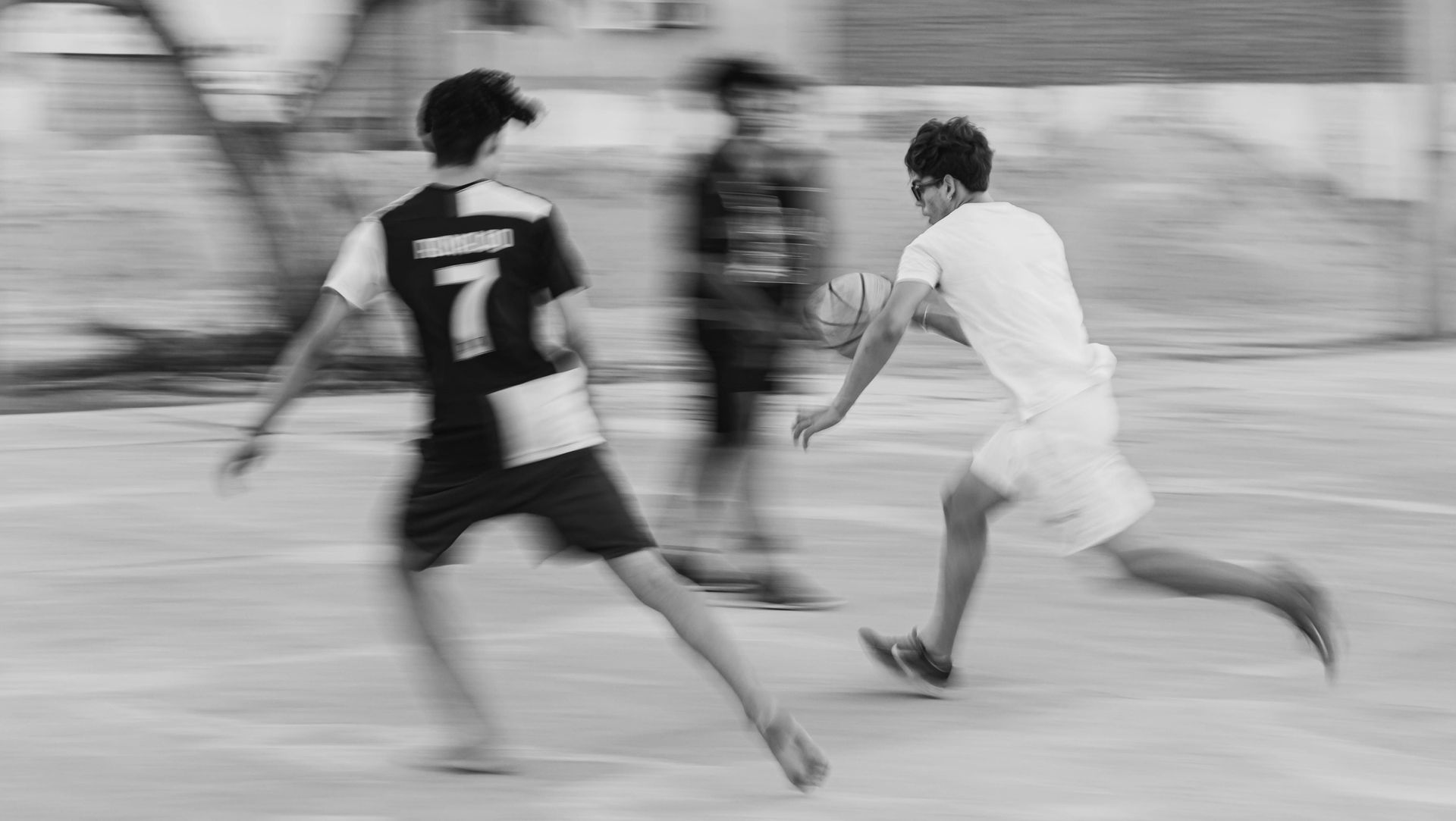
Spring is when many local competitions reach their finals, and ankle sprains follow the load. Netball courts, touch football fields and weekend soccer pitches fill up from September, and the rolled ankle in the last ten minutes of a game is the one that often walks into a clinic a week later still limping. Ankle sprain treatment in Sydney works best when it starts early, follows a clear timeline, and ends with a proper test of the joint before the athlete returns to full training. This guide explains how our team at Redfern Physiotherapy and Sports Medicine approaches that process, from the first assessment to the final return-to-play decision.
Table of Contents
- Quick Takeaways
- Why Spring Sport Puts Ankles at Risk
- Recognising a Sprain Versus a Fracture
- The First 48 Hours: Protection Without Overprotection
- Rehabilitation Milestones: Range, Loading and Balance
- Where Dry Needling and Massage Fit
- Treatment Approaches Compared
- Return to Play: Criteria Instead of Calendar Dates
- Preventing the Next Sprain
- Frequently Asked Questions
- References
Quick Takeaways
| Key Insight | Explanation |
|---|---|
| Most sprains are lateral | The ligaments on the outside of the ankle are the usual injury site, and one rehabilitation guide notes that about one in five physically active people will sustain a lateral sprain. |
| Check weight bearing first | If the athlete cannot walk normally or put weight through the leg, get medical review before any further training, because this can signal a fracture or a more severe sprain. |
| Protect, do not immobilise | Ice, compression and elevation help early swelling, but several days of inactivity brings stiffness and muscle loss that slow the whole recovery. |
| Start pain-free movement early | Light range of motion work, such as the ankle alphabet, helps prevent stiffness and supports circulation once the initial pain settles. |
| Balance work decides re-injury | A common mistake is stopping at pain-free walking. Single-leg balance and control should be progressed on firm ground, then on less stable surfaces, before sport resumes. |
| Return on criteria, not dates | Clearance depends on strength, balance, landing control and a staged return to sport-specific drills, compared against the uninjured side. |
Why Spring Sport Puts Ankles at Risk
One sports medicine rehabilitation guide notes that the ankle joint accounts for about a third of all sport-related injuries. The most common pattern is the lateral ankle sprain, where the foot turns inward and the ligaments on the outside of the ankle stretch or tear. Around one in five physically active people will sustain one at some point.
Spring creates its own risk profile. Many players return from a winter break with a fitness gap, then move straight into finals, tournaments and pre-season friendlies on grass that is soft in patches and uneven near the boundary. A common mistake is treating the first few games as a warm-up, when the training load has jumped faster than the ankle's strength and balance can adapt.
Age matters too. The same guide reports that incidence is highest among athletes aged 15 to 19, so junior teams and school competitions deserve as much attention as senior grades. In practice, that means young players who have trained for only a few weeks are often asked to cut, change direction and land on uneven ground, which is exactly the situation where a sprain happens.
Recognising a Sprain Versus a Fracture
Most ankle sprains look alarming on the day and less dramatic a week later, which is why the first assessment matters. Typical signs include localised pain, swelling that builds over the following hours, discolouration, and difficulty moving the ankle or foot. Many athletes also describe a popping sound at the moment of injury.
Signs That Need Urgent Imaging
The red flag we look for is difficulty bearing weight or walking. The rehabilitation guide notes that this can signal a more severe sprain or a fracture, and it needs evaluation by a doctor, urgent care or an emergency department. If an athlete cannot walk normally, do not run it off at training the next day.
What a Clinical Assessment Checks
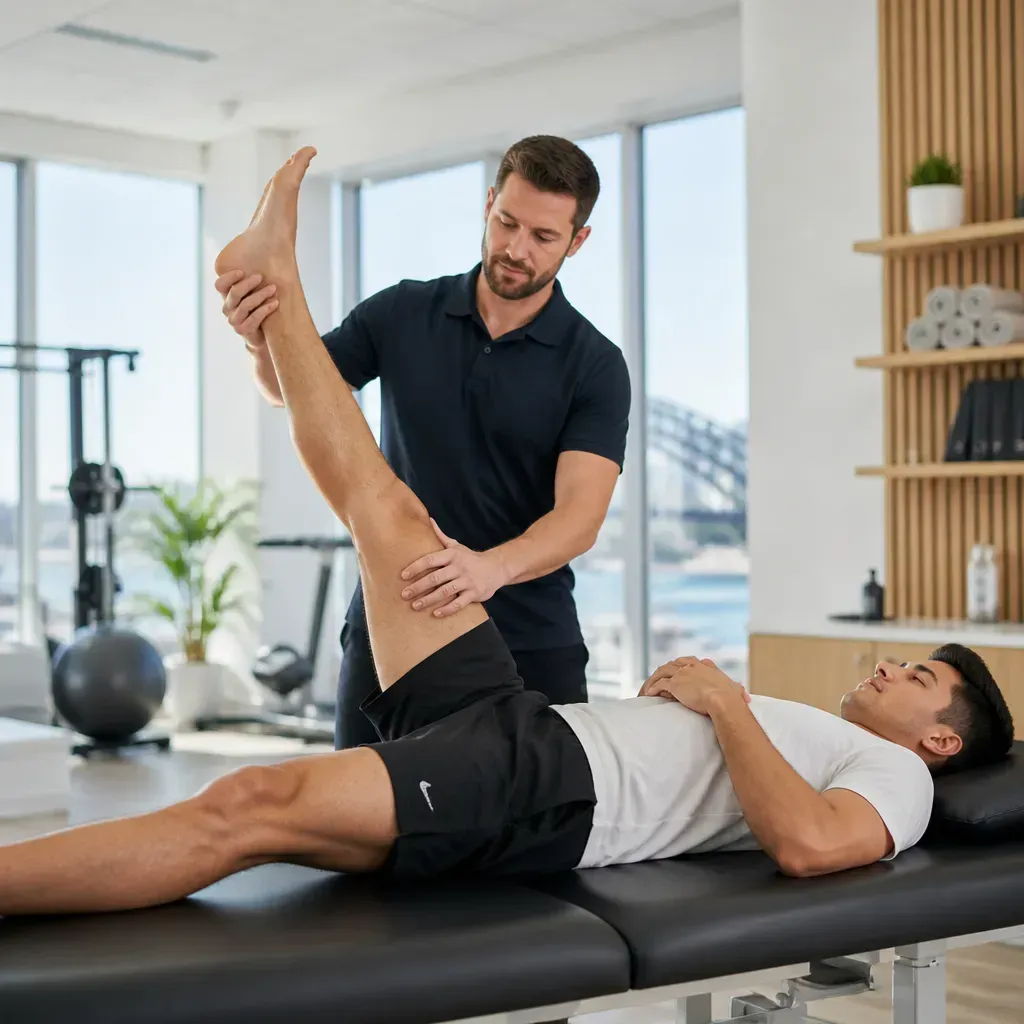
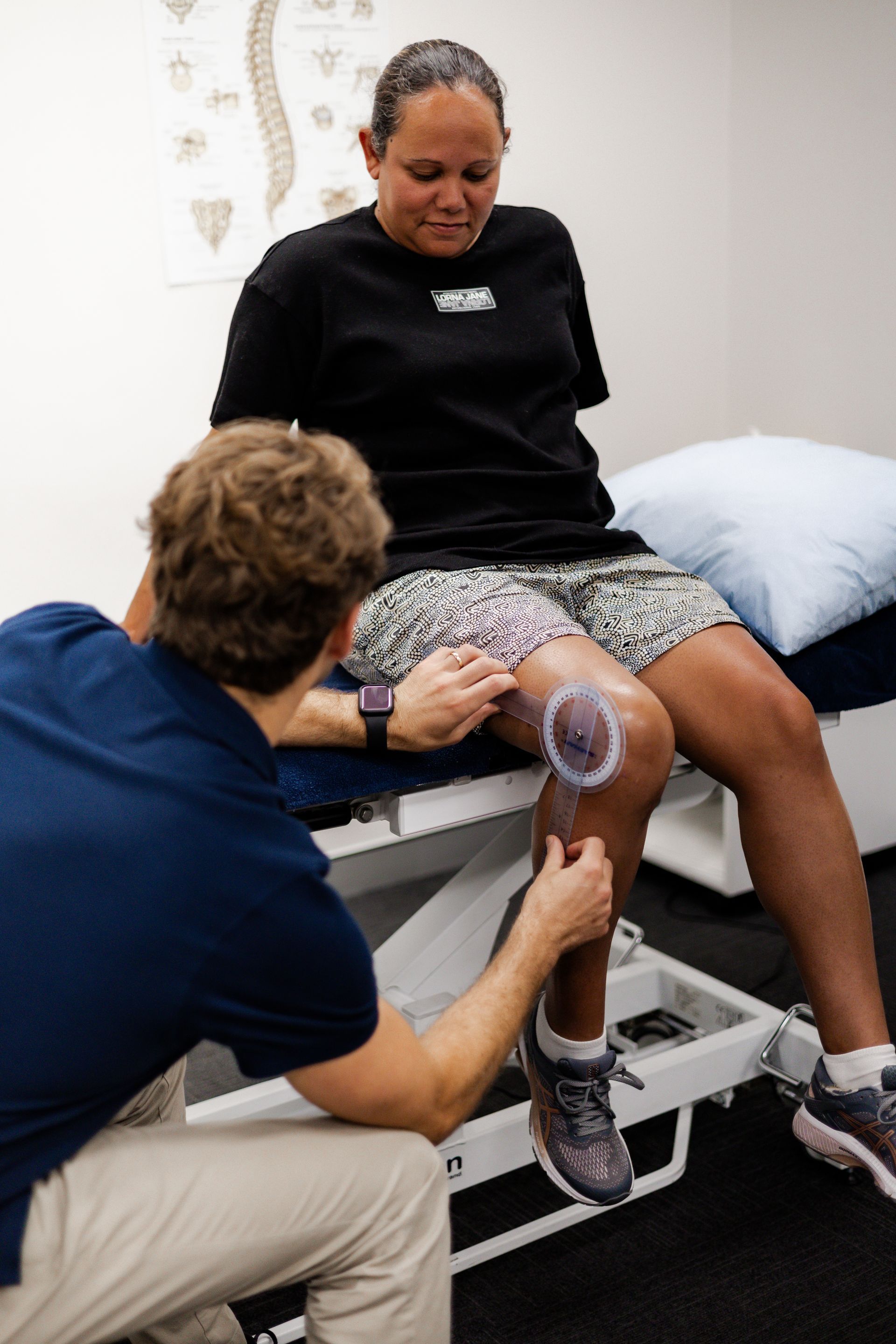
At Redfern, the first session focuses on how the injury happened, where the pain sits, and which structure is most likely involved. We test range of motion, weight bearing and tenderness along the bones and ligaments around the ankle. Where the picture is unclear, we refer for imaging rather than guessing.
If the athlete has a history of sprains, athletic screening is useful because it compares both legs for strength, balance and single-leg control. A common mistake is judging recovery by how the injured ankle feels, when the uninjured side is the only real benchmark.
The First 48 Hours: Protection Without Overprotection
The traditional rest, ice, compression and elevation approach is still a sensible starting point. The rehabilitation guide we reference recommends icing for up to 15 to 20 minutes, using a compression wrap, and elevating the ankle above the level of the heart. These steps help with circulation, pain and swelling, but the problem starts when they turn into several days of doing nothing.
Ice, Compression and Elevation in Practice
Ice works best as short, repeated sessions rather than one long application. Compression should be snug but not restrictive, so check the toes for colour and warmth after you apply it. Elevation is most useful in the first day or two, when swelling is at its peak.
Why Long Immobilisation Backfires
Ligaments need controlled load to remodel. Prolonged immobilisation tends to bring stiffness, calf and foot muscle loss, and a guarded movement pattern that can linger for weeks. Boots and air casts have a role for more severe sprains, but they should be removed for planned movement rather than worn indefinitely.
Pro tip: Write a daily protection plan, not a rest plan. List which movements are allowed, how long each session lasts, and which symptoms mean you stop. A written plan prevents the common drift from careful rest into complete inactivity.
Rehabilitation Milestones: Range, Loading and Balance
Once swelling settles enough for pain-free movement, rehabilitation moves into active phases. Early work restores range, then strength, then single-leg control, and each phase is judged by objective markers rather than a fixed calendar. This is the core of ankle injury rehab in Sydney, and it is why our tailored exercise rehabilitation programs are built around what the athlete can actually do this week.
Ankle Alphabet and Early Range of Motion
Light movement helps prevent stiffness and supports circulation. The rehabilitation guide describes the ankle alphabet, where the athlete draws letters with the big toe through a pain-free range, starting with small letters and progressing to larger ones as pain improves. Ankle circles in both directions are another simple option.
Early Weight Bearing and Walking Pattern
Early weight bearing has been linked to improved outcomes in ankle sprain rehabilitation, which is why we rarely keep athletes off the leg for long. The goal is a normal walking pattern with balanced push-off on both sides. If the athlete limps, we adjust load and support rather than stopping everything.
Balance and Proprioception Progressions
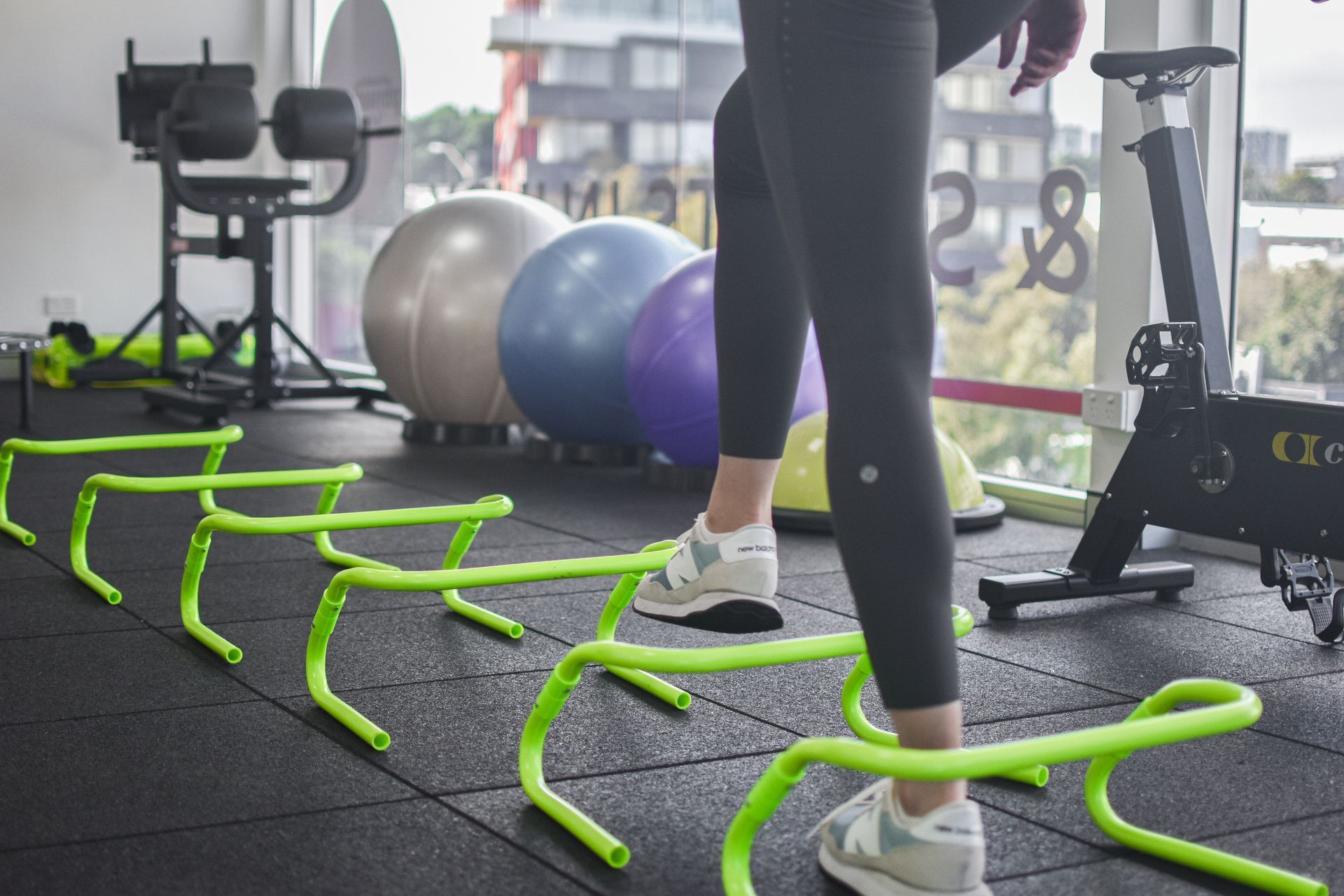
Balance training is where many recoveries are won or lost. A common mistake is to stop at pain-free walking and jump straight back into sport. Progress from double-leg stance to single-leg stance on firm ground, then on a softer surface, then with head turns and ball catches. Each step should be stable for several repetitions before you move on.
Where Dry Needling and Massage Fit
Needling and hands-on techniques can be useful in ankle sprain care, but they work best as supporting tools rather than the whole plan. The question we ask is simple: what is limiting this athlete's movement or loading right now, and does this treatment help the exercise program progress? If the answer is unclear, the exercise plan stays in charge.
Dry Needling as an Adjunct
Dry needling involves inserting a fine filiform needle into muscle tissue to address pain and tightness. After an ankle sprain, it may be considered for tight calf or peroneal muscles that are guarding the joint. It does not replace strengthening, balance work or a graded return to running, and athletes should expect some soreness afterwards.
Remedial Massage for Surrounding Tissue
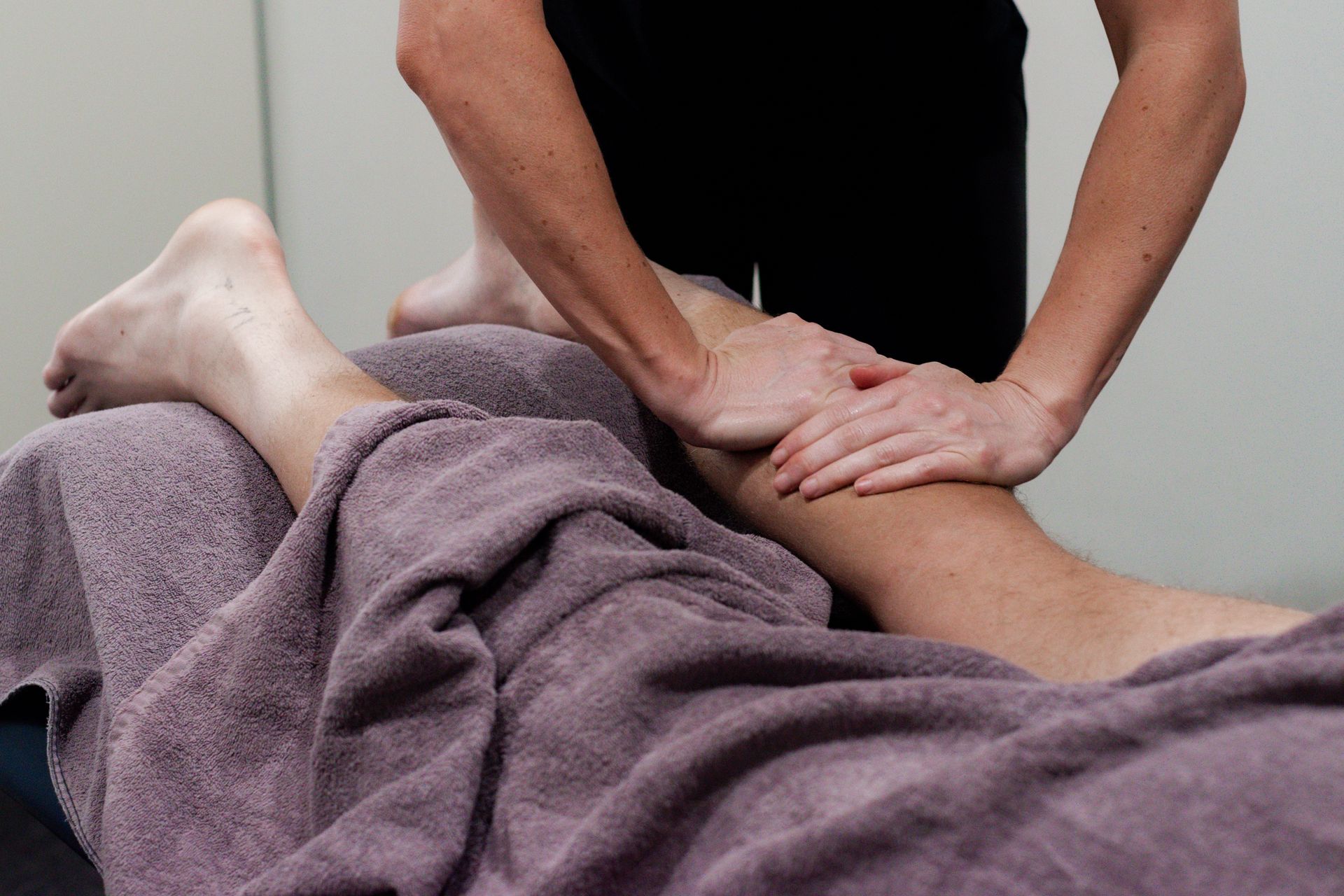
Remedial massage can help the tissues around the ankle that change after an injury. Calf tightness, reduced mobility in the foot and tension in the shin can all alter how load travels through the joint. Massage works best when it sits alongside exercise and gives the athlete more comfortable movement to practise.
When Hands-On Care Is the Wrong Choice
Hands-on treatment is the wrong choice when an athlete has unexplained swelling, a suspected fracture, or pain that worsens between sessions. In those cases the priority is medical review, not extra treatment. A session that feels good on the table but does not change weight bearing or movement is not real progress.
Treatment Approaches Compared
Athletes often ask which option to choose. Each approach has a job, and the table below sets out where each one earns its place and where it falls short.
| Approach | Best suited for | Where it falls short |
|---|---|---|
| Tailored exercise rehabilitation | Restoring range, strength, balance and sport-specific capacity | Needs consistent attendance and home practice, and progress can feel slow in the first week |
| Dry needling | Calf or peroneal tightness that limits movement and loading | Does not build strength or control on its own, and short-term soreness is common |
| Remedial massage | Surrounding muscle tension and comfort during the rehabilitation phase | Does not address ligament stability or balance deficits by itself |
Read that table as a sequence rather than a menu. Exercise rehabilitation is the backbone, while needling and massage help the athlete tolerate the work. Athletes who choose only one often end up with a comfortable ankle that is still weak, or a strong ankle that is too sore to train on.
In practice, the order matters. We usually start with protected movement and loading, add hands-on care where it removes a barrier, and reassess strength and balance every few sessions. Athletes who get stuck usually have a clear reason, such as a calf strength gap that was never measured or a return to full training that came too early.
A sprained ankle that has stopped hurting has not necessarily regained the strength and control it needs to land, cut and recover under fatigue.
Return to Play: Criteria Instead of Calendar Dates
The question athletes ask most often is when they can play again. We answer with criteria rather than a number of weeks, because two athletes with the same sprain can have very different strength and balance profiles. A return decision should rest on measurable function and on how the ankle handles the specific demands of the athlete's sport.
Objective Tests We Use
Return-to-play testing typically compares the injured ankle with the uninjured side. We look at single-leg balance, calf strength, hopping and landing control, and change-of-direction tasks that mirror the athlete's sport. Pain, swelling and confidence are recorded alongside the numbers, because all of them matter.
Common Mistakes Before Clearance
The most common mistake is returning on the day pain stops. Pain is a useful signal, but it does not measure strength, control or readiness for sudden direction changes. Another frequent error is jumping into full contact or tackling in the first week back, when fatigue makes landing errors more likely.
Staged Return to Training
A staged return usually moves from straight-line running to change of direction, then to sport-specific drills, then to full training and match play. Each stage should be tolerated the next day without increased swelling or a limp. If symptoms return, step back one stage rather than pushing through.
Preventing the Next Sprain
Once an athlete is back in sport, prevention becomes the priority. Athletes who have sprained an ankle before are a clear priority group, and a prevention plan should run through the whole season rather than stop at clearance. Our sports physio Redfern team generally combines external support with exercise-based work, because each covers a gap the other leaves.
External Support: Taping and Bracing
Taping and bracing are the external methods most athletes have heard of. The NFHS article on preventing ankle sprains in high school athletes describes ankle taping and ankle braces as the primary external support methods. They can limit extreme movement, but they do not train the muscles and nerves that keep the ankle stable, so they work best as a bridge rather than a permanent fix.
Structured Exercise Prevention
Exercise-based prevention is where we see the most lasting change. The NFHS article notes that exercise-based methods can include a structured program. In our clinic that usually means balance, calf strength, hip control and landing practice, scheduled across the training week. A short routine done consistently beats a long program done once.
When to Book Athletic Screening
Athletic screening is worth booking before the season starts, or after any sprain that has taken more than a few weeks to settle. The screen gives a baseline for strength, balance and movement, so future changes are easier to spot. Athletes who know their own numbers tend to notice warning signs earlier.
Pro tip: Repeat a simple single-leg balance check on both sides every couple of weeks during the season. A side-to-side difference that appears gradually is an early warning that the ankle is losing control, well before a new sprain occurs.
Frequently Asked Questions
How long does an ankle sprain take to recover?
Recovery depends on severity, the athlete's age, and how quickly strength and balance are rebuilt. Mild sprains often settle within a few weeks, while more severe injuries can take considerably longer. A clinical assessment gives a more reliable timeline than a general estimate.
Should I see a physio or a doctor first?
If you cannot bear weight, have significant swelling, or suspect a fracture, get medical review first through a doctor, urgent care or an emergency department. For many uncomplicated sprains, a physiotherapist can assess the injury, refer for imaging if needed, and start rehabilitation straight away.
Is dry needling necessary for an ankle sprain?
No. Dry needling is an optional adjunct for muscle tightness that limits movement or loading. It works best alongside a progressive exercise program, and it should never replace strengthening or balance training.
Can I keep training while rehabilitating an ankle sprain?
Often yes, with modifications. Upper body work, cycling and pain-free lower body exercises can usually continue, while jumping, cutting and contact work wait until the athlete meets the relevant criteria. Your physiotherapist should set the limits for each session.
What is the best way to prevent ankle sprains in spring sport?
Combine a structured balance and strength program with sensible external support where needed. Build training load gradually after the winter break, and keep regular sessions that focus on landing and change of direction. Athletes with a previous sprain benefit most from a screen before the season begins.
Do you treat recreational athletes as well as competitive players?
Yes. Our physiotherapy and remedial massage services support local residents and recreational athletes as well as competitive players, and the assessment process is the same. The plan is tailored to the demands of the person's activity, whether that is weekend touch football or a daily run.
What helped you get back on your feet after a spring ankle sprain, and what would you do differently next time?
References