



How To Help Your Shin Splints

Redfern Physiotherapy & Sports Medicine • July 4, 2022

What Can I Do to Help My Shin Splints?

What Are Shin Splints? 


Shin splints are a common overuse injury characterised by pain along the front of your lower leg near your shin bone. This pain is due to irritation from the overloaded tendons and muscles along the tibia or ‘shin bone’ constantly creating friction and inflammation at their attachment onto the bone.


Shin splints are common among:


  • Runners
  • Dancers
  • Athletes in sports that require a lot of running on hard surfaces (like tennis), or with unsupportive shoes like rugby/football boots


What Causes Shin Splints?


Causes of shin splints include:


  • extended periods of running on hard surfaces
  • overexertion of your lower leg muscles
  • not stretching adequately
  • stiff and/or weak calf muscles
  • poorly fitted or worn out footwear
  • increasing your training loads suddenly
  • flat feet or high arch feet
  • weak gluteal muscles, weak foot/ankle stabilising muscles


If you experience pain in your shin area during exercise, we advise that you do not continue as the pain will only be exacerbated, causing it to prolong symptoms and recovery.


How to Prevent Shin Splints 


A few tips to help you prevent shin splints include:


  • Wearing shoes that fit adequately and comfortably
  • Invest in shoe inserts (orthotics) if you have flat feet or high arches
  • Consulting your physiotherapist to perfect your running stride
  • Replace your shoes often
  • Gradual build up in your training level to prevent injury 
  • Embrace cross-training to avoid overusing the muscles in your lower legs
  • Be sure to always maintain a good stretching program
  • Have an adequate dynamic warm-up before any exercise
  • Strengthen your hips, ankles, and core muscles


How Can My Physio Help Shin Splints? 


Getting assessed by a physio will help you understand the condition so that you can better learn how to manage it. During your physio sessions for shin splints, you will likely be treated with:


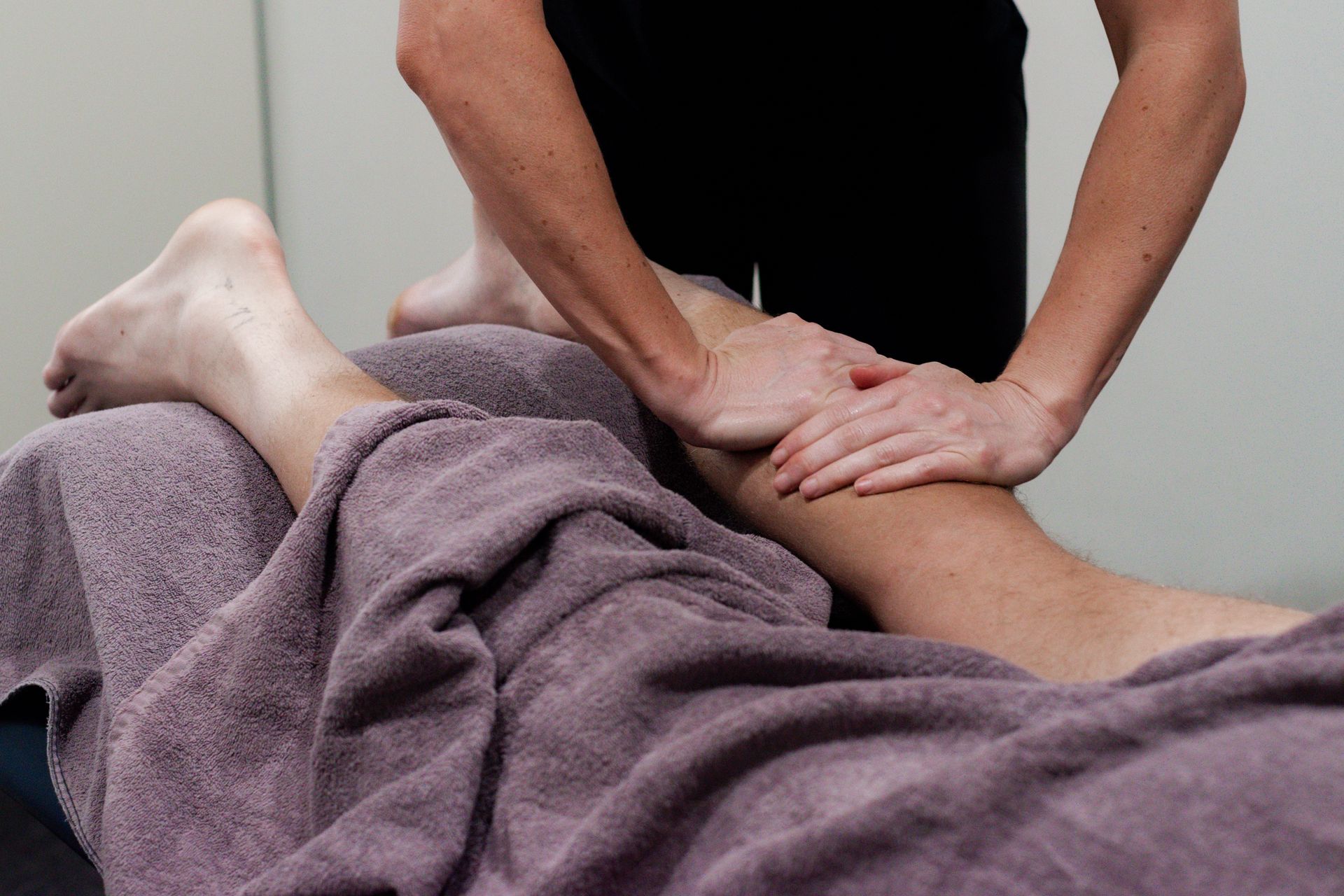
  • Lower leg soft tissue releases
  • Strapping or taping
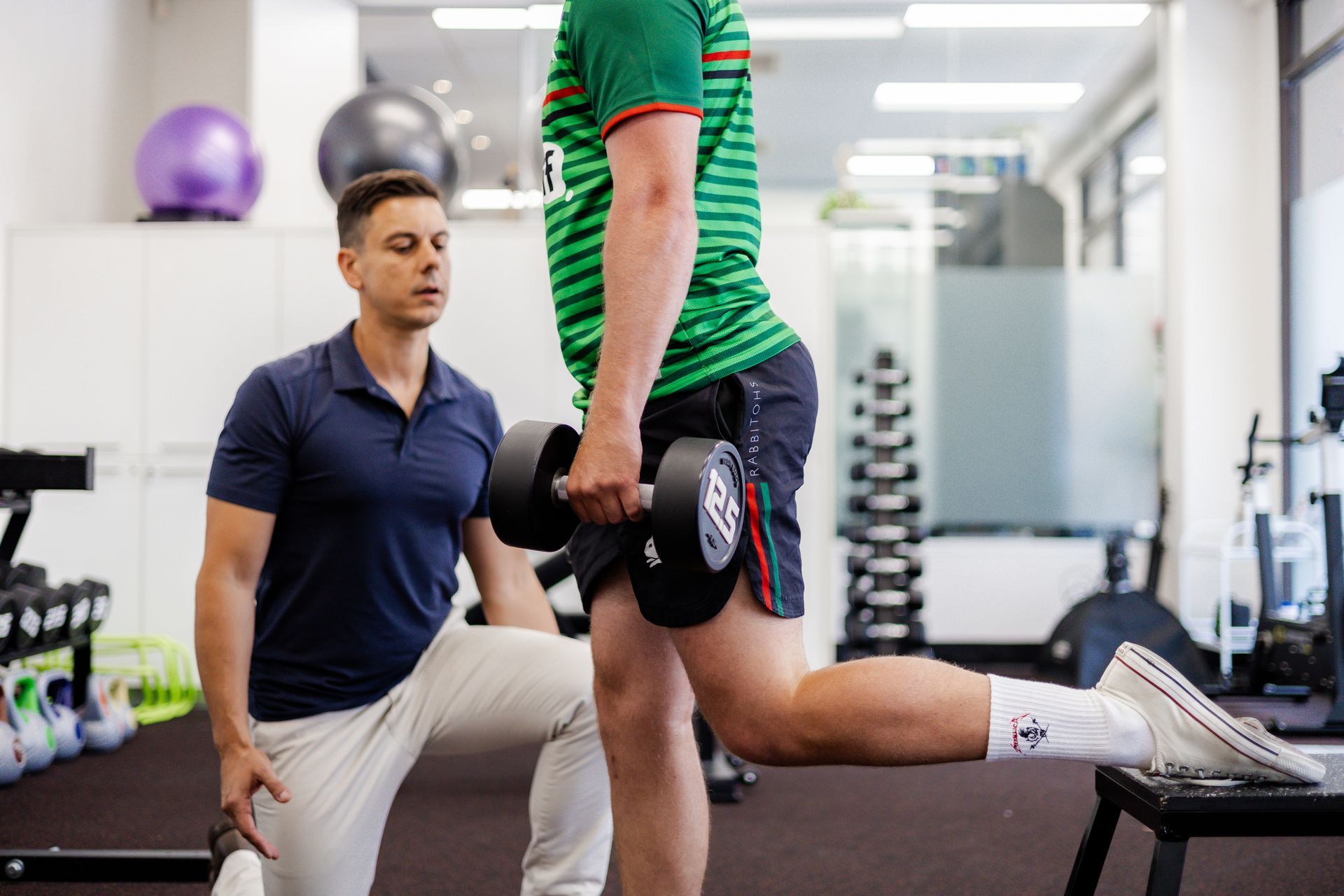
  • Strengthening exercises for weak ankles, hips, or core muscles tailored to your individual needs
  • Self-release techniques and stretches for tight muscles
  • You will also be given specific advice, tips, and suggestions to help manage the pain and get you on the path to recovery.


While you’re being treated for shin splints by a physio, it is advised you are taking relative rest by reducing or completely stopping the aggravating activity – pushing through the pain will only make things worse!


Shin splints can be very frustrating if you ignore it and fail to get the appropriate treatment. For detailed advice and an individual management program contact our team at Redfern Physio on 8068 5158, or book now by clicking Book an appointment.
BOOK NOW
Physiotherapist examining patient's knee while she lies on a treatment table.
By Redfern Physiotherapy and Sports Medicine September 29, 2025
Bone stress injuries are stress fractures occur when repetitive loading on a bone exceeds its ability to remodel and recover.common among runners, athletes,
Man using resistance band for shoulder exercise, assisted by another man in white room.
By Redfern Physiotherapy and Sports Medicine September 29, 2025
Bone stress injuries, or stress fractures, are common overuse injuries that pose a significant challenge to athletes, military personnel, and active individuals.
Blurred runner on an asphalt road; trees in the background, blue sky overhead.
By Redfern Physiotherapy and Sports Medicine September 17, 2025
Plantar fasciitis (PF) is one of the most common causes of heel pain, particularly in runners, people who are overweight, and those whose jobs require prolonged sta
Man examining a patient's leg as the patient rests it on a balance disc in a physical therapy setting.
By Redfern Physiotherapy and Sports Medicine September 16, 2025
Anterior cruciate ligament (ACL) injuries are among the most common and impactful injuries in sports medicine. Traditionally, ACL ruptures—especially complete one
Woman stepping up onto a black step with a dumbbell in hand, near a trampoline.
By Redfern Physiotherapy and Sports Medicine September 16, 2025
Knee osteoarthritis (OA) is a highly prevalent musculoskeletal condition and a leading cause of pain and disability among adults over 50. It involves progr
People stretching in a grassy park setting. The two people are touching their toes.
By Redfern Physiotherapy & Sports Medicine August 3, 2023
Hamstring injuries are a common particularly those involved in sports that require sudden changes of direction, explosive acceleration, high-speed running.
Woman doing a squat with a cuff on her thigh connected to a monitor displaying numbers. Gym setting.
By Redfern Physiotherapy & Sports Medicine July 11, 2023
Blood flow restriction (BFR) training involves restricting the blood flow to working muscles during exercise, resulting in hypoxia in the muscle tissue. Find out
Man performing a lunge exercise outdoors, with mountain backdrop and clear sky.
By Redfern Physiotherapy & Sports Medicine February 21, 2023
ACL Prehab is what is done between tearing your ACL and having surgery/performing rehab. Find our more at Redfern Physiotherapy and Sports Medicine - call now
Woman with a ponytail seated, using a laptop near a window and small table with a glass of water.
By Redfern Physiotherapy & Sports Medicine August 12, 2022
IBS is a collection of symptoms such as abdominal cramping, pain, bloating, diarrhoea and/or constipation. Dietitian at Redfern Physiotherapy and Sports Medicine
A person's back being examined by a healthcare provider.
By Redfern Physiotherapy & Sports Medicine July 4, 2022
Ignoring shoulder pain can lead to persistent symptoms, further breakdown of tissue, and chronic pain. Find our more at Redfern Physiotherapy and Sports Medicine