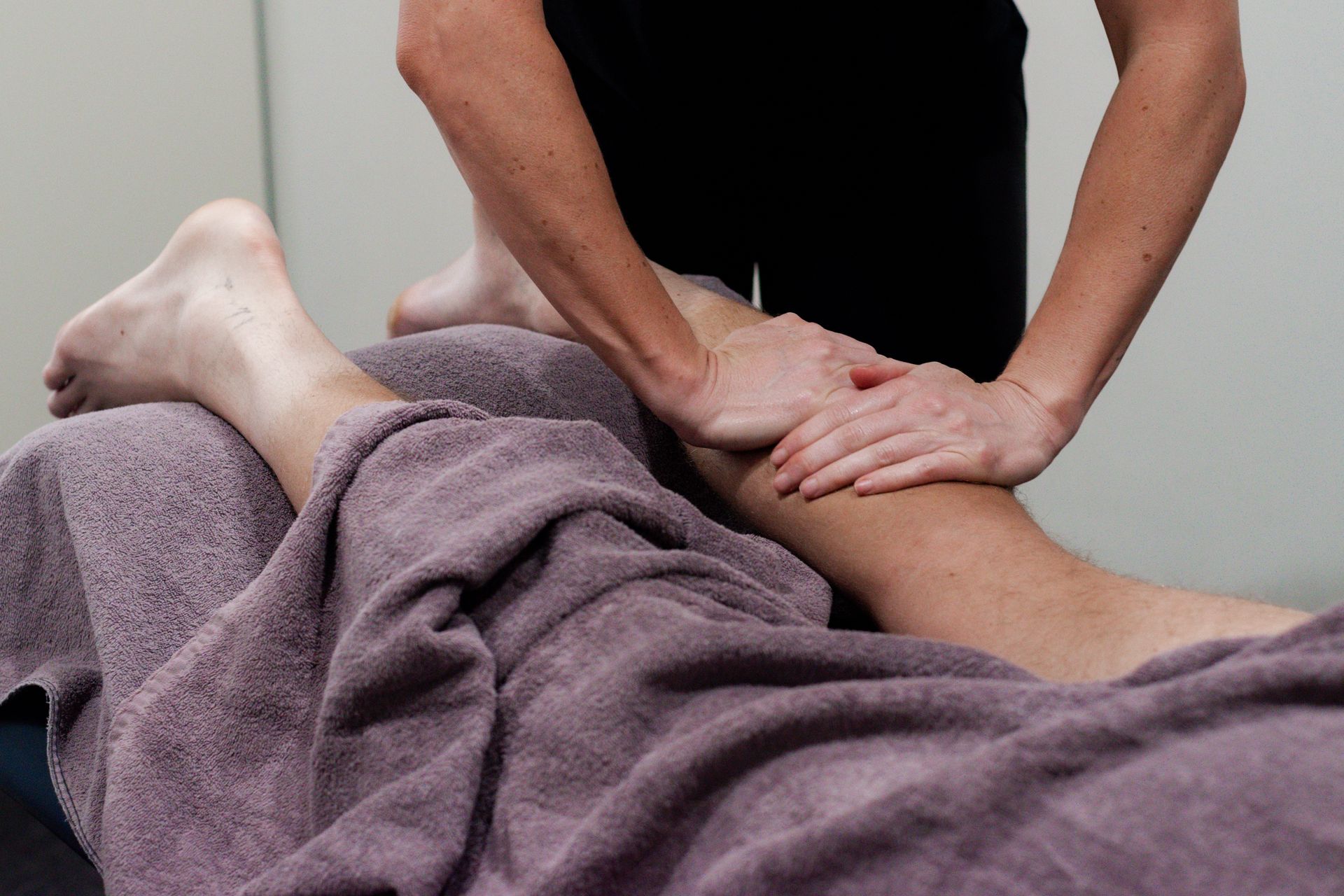





Nutrition in Managing Osteoarthritis

Redfern Physiotherapy & Sports Medicine • March 8, 2021

Managing Osteoarthritis 


Osteoarthritis (OA) is the most prevalent form of arthritis, affecting a rising number of people worldwide. 


The pain associated with OA is one of the key barriers to maintaining physical activity in those with the condition, which in turn can greatly impact quality of life. Those affected would benefit from ways to self-manage their condition and this is where nutrition can play an important role.


Is there a diet to cure OA? 


Is there a diet to cure OA? Short answer, no. However, while there is no miracle diet that can cure OA, we do know that maintaining a healthy body weight and ensuring nutrient needs are met can help symptom management and improve quality of life. 


Maintaining a healthy body weight is one of the important ways diet can assist with OA management. OA occurs when the protective cartilage that cushions joints wears down over time, so reducing unnecessary impact on these joints is an effective management strategy. Excess body weight can cause increased wear and tear as well as joint inflammation and pain for those with OA. Research suggests that a reduction of as low as 5% in body weight can improve pain felt in affected joints. Everyone has different energy requirements and understanding what this is for you can be difficult. Seeking individualised nutrition advice from a dietitian can help make sure you are mastering nutritious, balanced meals and getting your portion sizes right. 


What should I eat?


What should I eat? Research suggests that the Mediterranean Diet could help reduce inflammation and pain in those with OA. The Mediterranean Diet has been thought to assist with OA management due to the anti-inflammatory and antioxidant nutrients abundant in this way of eating. It includes plenty of fruit, vegetables, legumes, wholegrains, nuts, seeds, herbs, spices and olive oil, a moderate amount of fish, seafood, poultry, eggs and dairy, and small amounts of red meat and sweets. It also emphasises enjoying food socially, in moderation, and has been seen to be beneficial in maintaining a healthy weight.


Nutrition research in the area of OA is constantly evolving, and while there is currently limited evidence to suggest any one particular nutrient can prevent or delay OA, certain nutrients have been deemed to be important for symptom control. For example, adequate protein intake is important for those with OA to ensure adequate muscle mass and strength is maintained as low muscle strength has been linked with increased pain. Research has also shown that vitamin E may have an anti-inflammatory role that may reduce the progression of OA, and higher intakes of vitamin D has been implicated in less progression of cartilage damage. Future research is sure to shed more light on the importance of specific nutrients. 
BOOK NOW
Physiotherapist examining patient's knee while she lies on a treatment table.
By Redfern Physiotherapy and Sports Medicine September 29, 2025
Bone stress injuries are stress fractures occur when repetitive loading on a bone exceeds its ability to remodel and recover.common among runners, athletes,
Man using resistance band for shoulder exercise, assisted by another man in white room.
By Redfern Physiotherapy and Sports Medicine September 29, 2025
Bone stress injuries, or stress fractures, are common overuse injuries that pose a significant challenge to athletes, military personnel, and active individuals.
Blurred runner on an asphalt road; trees in the background, blue sky overhead.
By Redfern Physiotherapy and Sports Medicine September 17, 2025
Plantar fasciitis (PF) is one of the most common causes of heel pain, particularly in runners, people who are overweight, and those whose jobs require prolonged sta
Man examining a patient's leg as the patient rests it on a balance disc in a physical therapy setting.
By Redfern Physiotherapy and Sports Medicine September 16, 2025
Anterior cruciate ligament (ACL) injuries are among the most common and impactful injuries in sports medicine. Traditionally, ACL ruptures—especially complete one
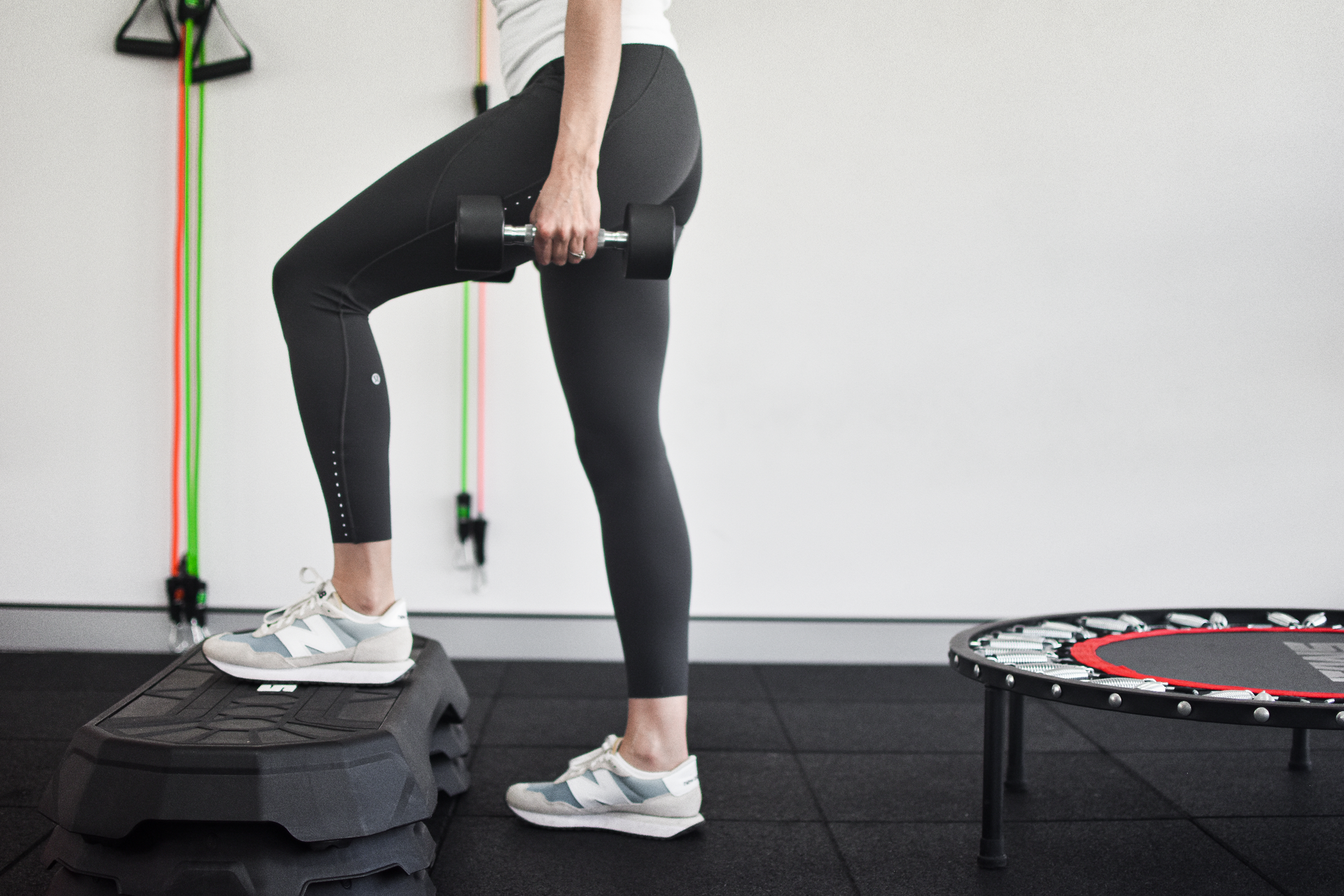
Woman stepping up onto a black step with a dumbbell in hand, near a trampoline.
By Redfern Physiotherapy and Sports Medicine September 16, 2025
Knee osteoarthritis (OA) is a highly prevalent musculoskeletal condition and a leading cause of pain and disability among adults over 50. It involves progr
People stretching in a grassy park setting. The two people are touching their toes.
By Redfern Physiotherapy & Sports Medicine August 3, 2023
Hamstring injuries are a common particularly those involved in sports that require sudden changes of direction, explosive acceleration, high-speed running.
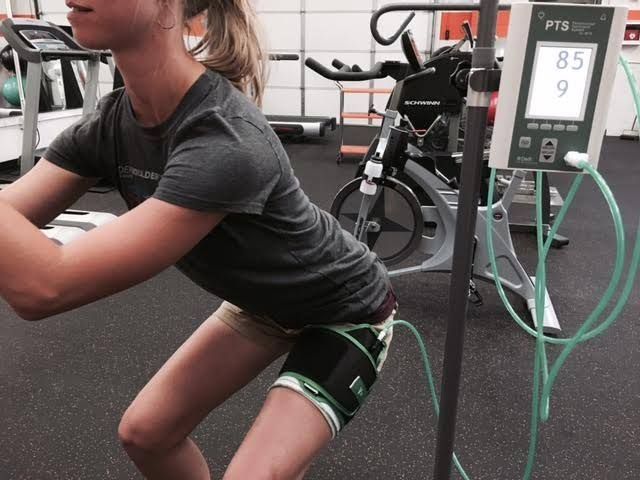
Woman doing a squat with a cuff on her thigh connected to a monitor displaying numbers. Gym setting.
By Redfern Physiotherapy & Sports Medicine July 11, 2023
Blood flow restriction (BFR) training involves restricting the blood flow to working muscles during exercise, resulting in hypoxia in the muscle tissue. Find out
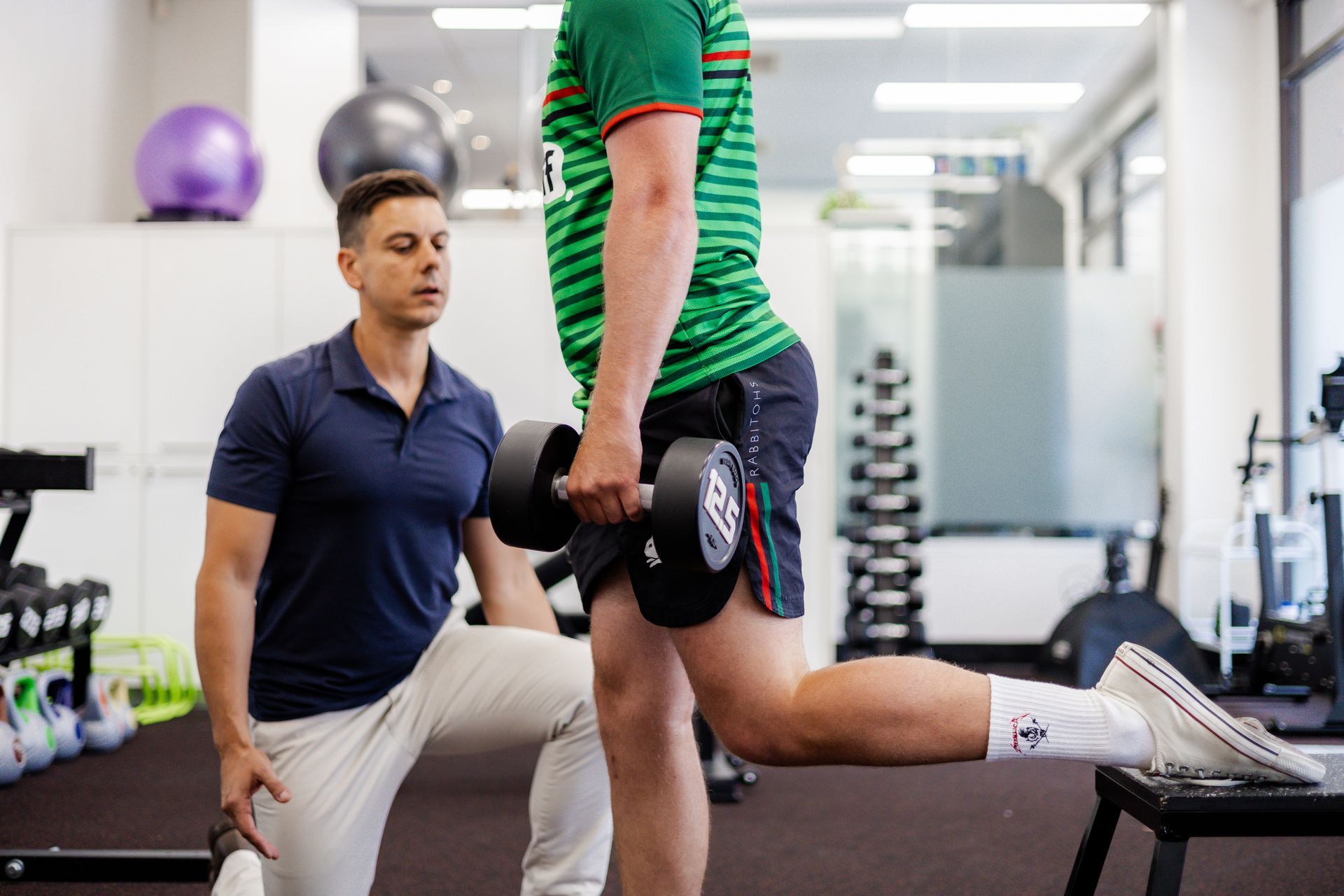
Man performing a lunge exercise outdoors, with mountain backdrop and clear sky.
By Redfern Physiotherapy & Sports Medicine February 21, 2023
ACL Prehab is what is done between tearing your ACL and having surgery/performing rehab. Find our more at Redfern Physiotherapy and Sports Medicine - call now
Woman with a ponytail seated, using a laptop near a window and small table with a glass of water.
By Redfern Physiotherapy & Sports Medicine August 12, 2022
IBS is a collection of symptoms such as abdominal cramping, pain, bloating, diarrhoea and/or constipation. Dietitian at Redfern Physiotherapy and Sports Medicine
A person's back being examined by a healthcare provider.
By Redfern Physiotherapy & Sports Medicine July 4, 2022
Ignoring shoulder pain can lead to persistent symptoms, further breakdown of tissue, and chronic pain. Find our more at Redfern Physiotherapy and Sports Medicine