


Hoffa’s Fat pad impingement- is it causing your knee pain?
Hoffa’s Fat pad impingement
If you’re suffering from a pain at the front of your knee then it may be coming from your fat pad! We aren’t saying you have a weight problem – we all have a pad made of fatty soft tissue just behind the bottom of our knee cap.
There are three fat pads at the front of the knee however, the Infrapatellar Fat Pad , sometimes called Hoffa’s Fat Pad, is one of the more common causes of pain.
How does Fat Pad Impingement present?
- Pain in the front of your knee exacerbated by extension or prolonged flexion – prolonged standing will be provocative, sometimes even a straight leg raise will hurt. Prolonged sitting may also irritate the pain.
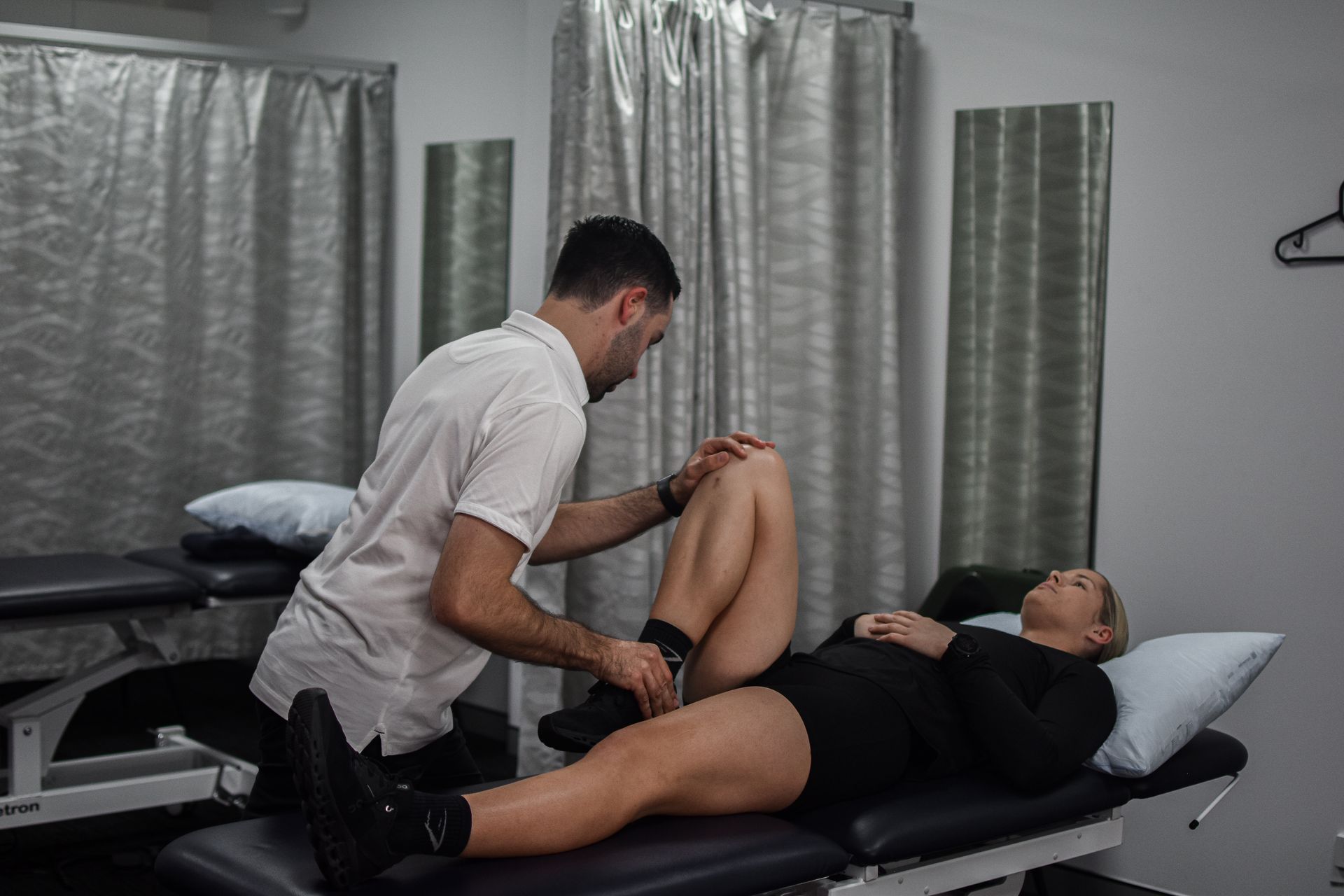
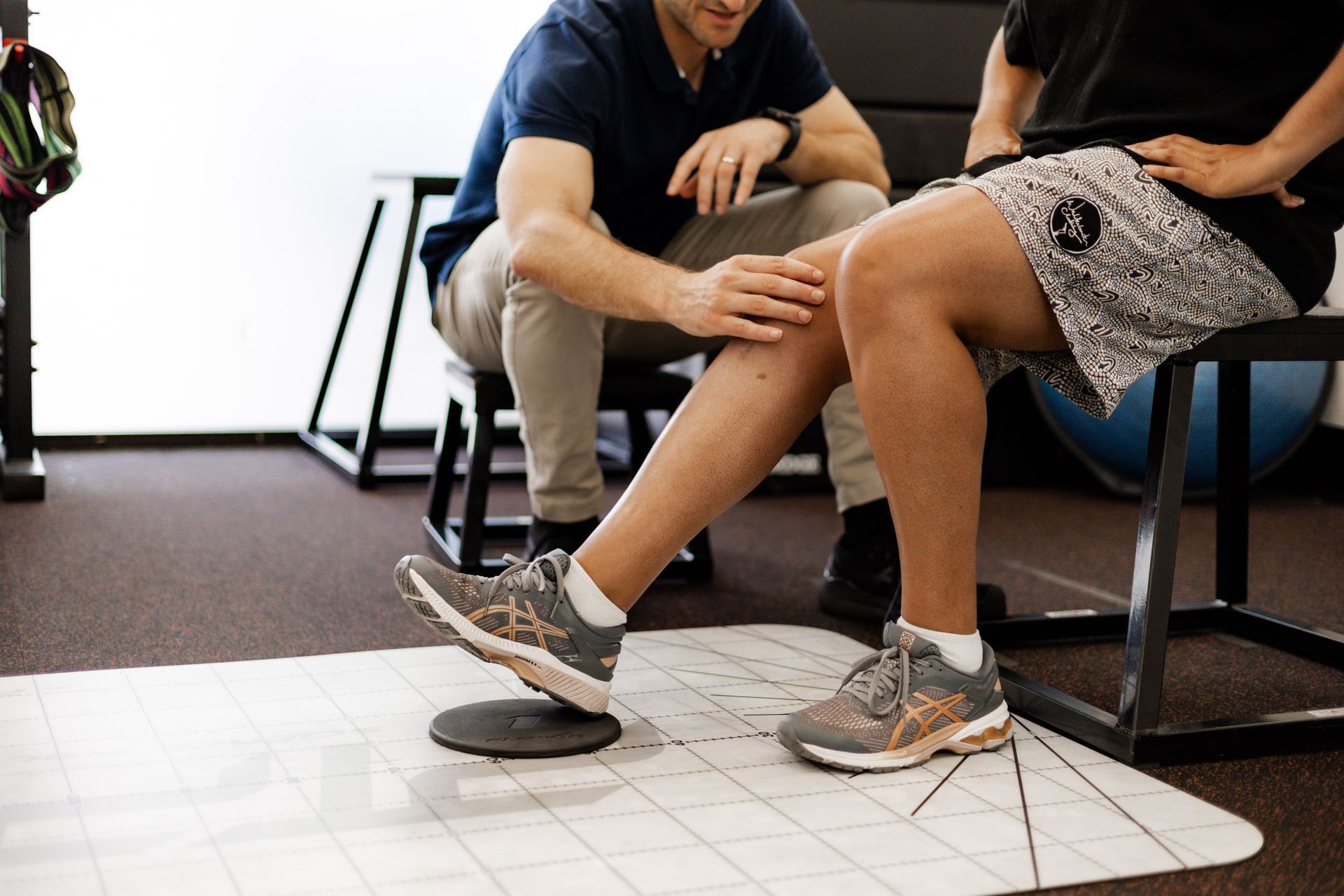
- The fat pad is tender to touch – this will be just below the knee cap.
- A puffy anterior knee - the fat pad is a bit like a sponge and when inflamed will become engorged
- Pain may be worse when barefoot or wearing flat shoes compared with a heeled shoe.
Treatment: Acute vs Chronic
The main difference between treating acute or chronic infrapatellar fat pad pain is screening for and correcting causative factors. When acute trauma is identified as the reason for inflammation, then focus is concerned primarily on offloading the fat pad and allowing it to settle. When the pain is a persistent issue that has developed over time, it’s likely there is an underlying reason that needs to be resolved.
This process can be described in two stages:
Stage 1: Reduction of Inflammation
- Activity Modification – reduce aggravating activities which may mean reducing walking or running time/distance, reducing prolonged standing and anything else provocative
- Wearing heeled shoes (no we don’t mean high heels but anything with a good heel lift and support) – avoiding barefoot or flat shoes especially if it is painful
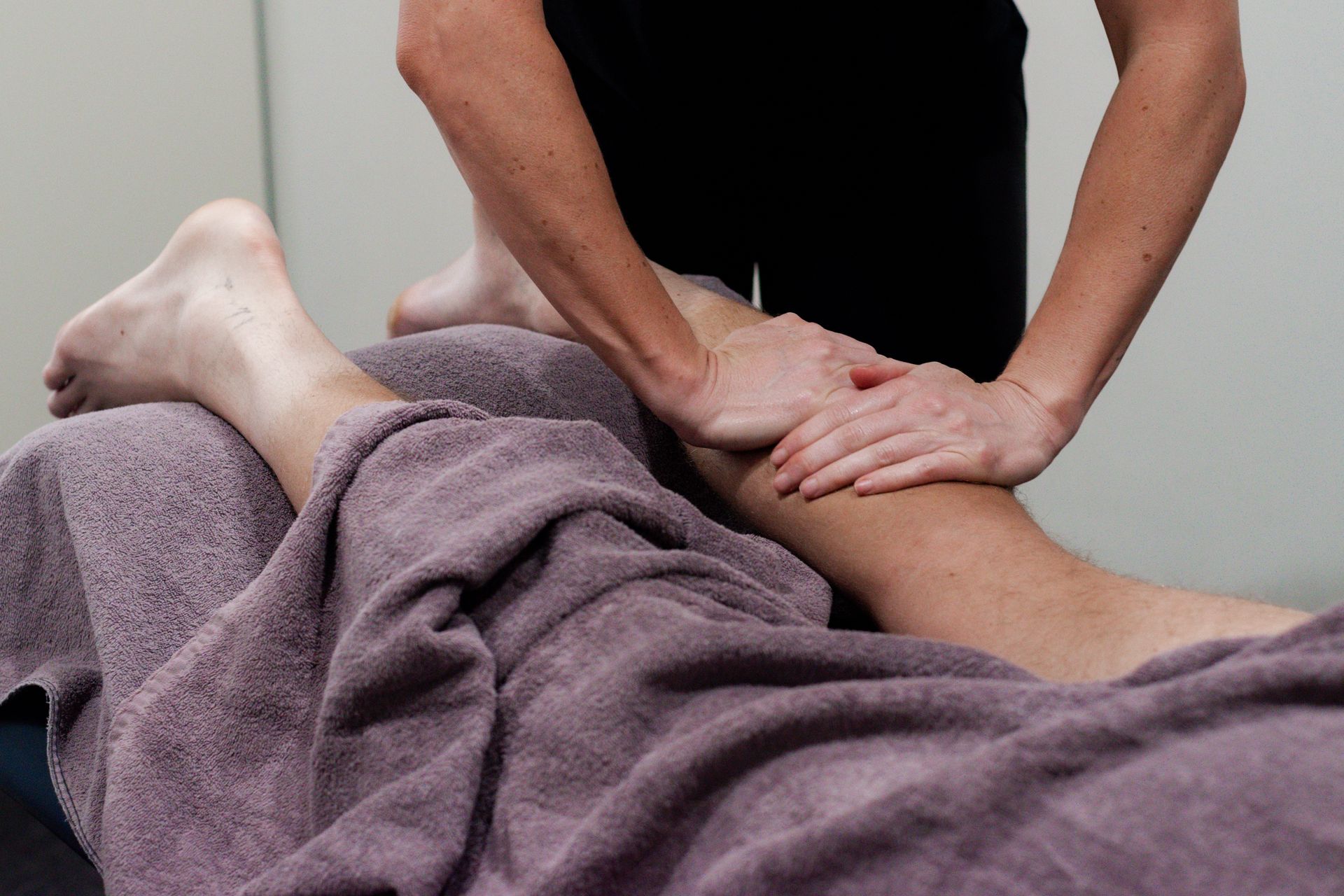
- Ice Massage over the tender area
- Offload Taping – lifting the inferior patella away from the fat pad with a ‘V-Tape’ technique. This may be applied 24/7 until symptom free. Our experienced team of physios will be able to teach you the appropriate taping technique.
Stage 2: Recondition the limb / Fix the cause
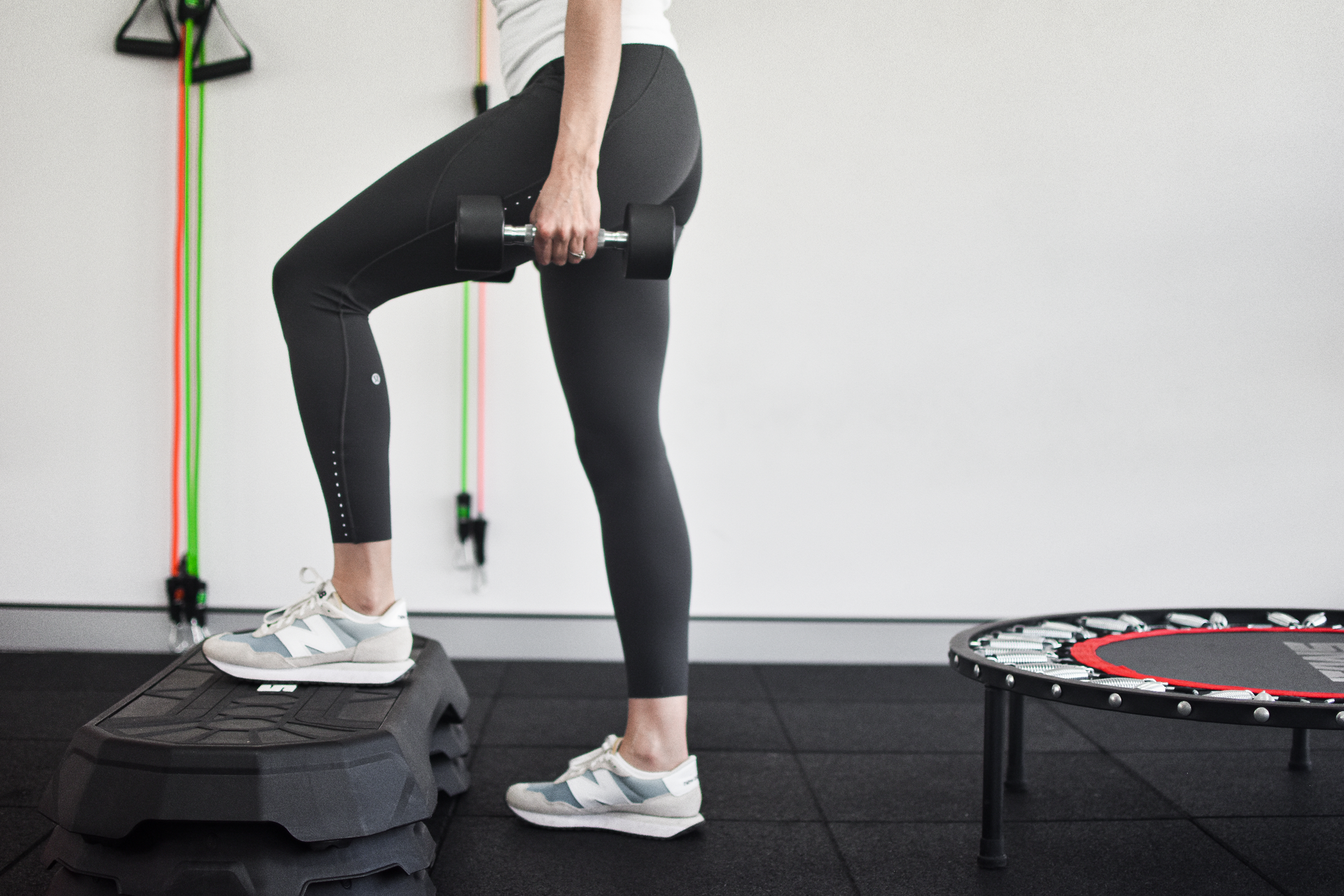
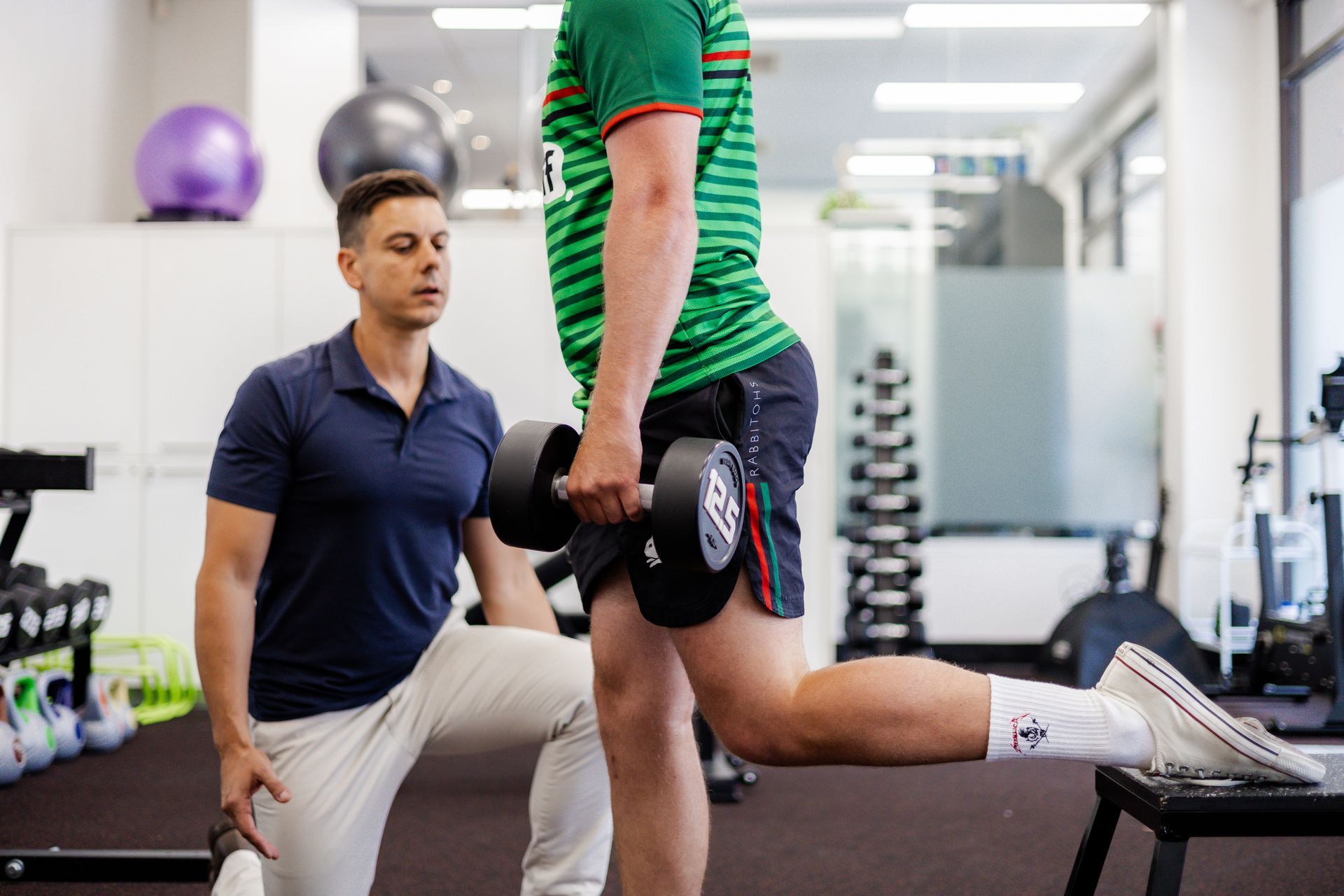
- Progressive loading exercise : with a strong focus on the quadriceps and also considering glutes and hip external rotation exercises for control of the knee.
- Isometric Knee Exercise : may be useful in the early stages, working within a safe zone of 20-40° of knee flexion can be manageable if the pain is irritable.
- Stretching: of the quadriceps and hip flexors may be beneficial.
Things your physiotherapist will assess:
- Knee Hyperextension – if the patient has poor control over inner range quadriceps or stands often in a hyperextended position then this may irritate the fat pad. Quads control exercises may be prescribed to correct this.
- Patellar Hypermobility – the patella may have a large amount of movement which can impinge the fat pad. Dynamic quad exercises can be prescribed to treat this.
- Patella position – tight structures on the lateral aspect of the knee may cause a lateral pull or maltracking. Treatment and focussed stretches can help to manage this.
These two stages are not mutually exclusive and quite often will overlap.